
Gartner UC: Understanding Unified Communications and UCaaS
“Gartner UC” usually refers to Gartner’s research and analysis of unified communications (UC) technologies and the providers that supply them. This research can help organisations understand a fast-changing market, compare potential solutions and plan how their communications services should evolve.
What is unified communications?
Unified communications brings together workplace communication tools in a more integrated experience. Depending on the product, this may include business telephony, video and audio meetings, instant messaging, presence information, voicemail and team collaboration features.
Many organisations now use cloud-delivered services known as unified communications as a service (UCaaS). Rather than managing all the underlying infrastructure themselves, customers access communications capabilities through a provider’s cloud platform. UCaaS can support office-based, hybrid and remote teams, although the features and level of integration vary between providers.
What does Gartner contribute?
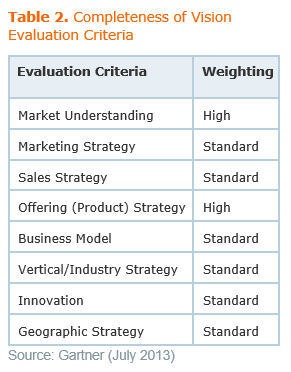
Gartner is an information technology research and advisory firm. Its coverage of UC and UCaaS may include market analysis, definitions, trends, vendor assessments and advice for technology buyers. Gartner’s well-known research formats include Magic Quadrant reports, which assess vendors against criteria such as their ability to execute and the completeness of their vision.
A Magic Quadrant is one research tool, not a definitive answer to which provider is right for every organisation. The vendors covered, evaluation criteria and report availability can change over time. Reports may also be available only to Gartner clients or through a paid subscription.
How to use Gartner UC research
Gartner research is most useful when treated as a starting point for a wider evaluation. It can help organisations identify providers to investigate, understand market direction and develop questions for a procurement process. Buyers should also assess their own requirements, including:
- Calling needs: Consider locations, number plans, call routing, contact centre requirements and any need to connect with existing telephone systems.
- Collaboration tools: Check how messaging, meetings, file sharing and presence fit together, and whether integrations are available for the applications employees already use.
- Security and compliance: Review identity management, encryption, data handling, service resilience and relevant regulatory requirements.
- Network readiness: Assess internet connectivity, local network capacity and quality-of-service needs, particularly for voice and video.
- Migration and support: Understand implementation responsibilities, number porting, staff training, service levels and ongoing technical support.
- Total cost: Compare licences and call charges alongside implementation, equipment, connectivity, support and contract costs.
Why vendor rankings are only part of the picture
Analyst assessments can offer helpful context, but a vendor’s position in a report does not guarantee that its service will suit a particular organisation. Evaluation methods may not reflect every buyer’s priorities, and product capabilities can change after a report is published. Organisations should confirm important details directly with providers and test shortlisted services against real-world scenarios.
It is also worth checking which Gartner report is being referenced and when it was published. “UC” covers a broad set of technologies, while UCaaS focuses specifically on cloud-delivered unified communications. Research into adjacent areas, such as collaboration platforms or contact centre services, may address different needs.
Choosing a UC or UCaaS solution
A sound selection process starts with the outcomes an organisation wants to achieve: for example, simplifying communications, supporting flexible working, improving reliability or replacing ageing telephony. From there, create a shortlist, compare providers against agreed requirements and arrange demonstrations or trials for the teams who will use the service.
Gartner’s UC research can inform that process by providing an independent view of the market. The best decision, however, comes from combining analyst insight with practical testing, detailed commercial review and a clear understanding of the organisation’s technical and user needs.
Top 9 Advantages of Gartner’s Unified Communications Insights for Informed Decision-Making
- Provides insight into the unified communications market.
- Helps buyers compare UC and UCaaS providers.
- Highlights emerging communications trends.
- Offers structured vendor assessments.
- Supports informed technology planning.
- Can help create a supplier shortlist.
- Explains key market terminology.
- Encourages evaluation against business needs.
- Adds independent research to procurement decisions.
Limitations of Gartner UC Reports: Subscription Costs, Generalised Rankings, Outdated Information, and Limited Vendor Coverage
- Gartner reports may require a paid subscription.
- Rankings may not reflect every organisation’s needs.
- Reports can become outdated as the market changes.
- Assessments cover selected vendors, not the entire market.
Provides insight into the unified communications market.
Gartner UC research provides valuable insight into the unified communications market, helping organisations understand emerging trends, compare providers and see how solutions are evolving. This perspective can support more informed planning and help businesses identify options that may suit their communication needs.
Helps buyers compare UC and UCaaS providers.
Gartner UC research can help buyers compare unified communications (UC) and unified communications as a service (UCaaS) providers by offering a structured view of the market, vendors and their capabilities. This can make it easier to identify potential suppliers and create a shortlist for further evaluation. Buyers should use the research alongside their own requirements, product demonstrations and checks on pricing, security, integrations and support to find the right fit.
Highlights emerging communications trends.
Gartner UC research can help organisations spot emerging communications trends, such as the growing use of cloud-based platforms, AI-powered tools and more integrated collaboration services. Understanding these developments can support better long-term planning, helping businesses assess which innovations may improve the way their teams communicate and work.
Offers structured vendor assessments.
Gartner UC research offers structured vendor assessments, helping organisations compare providers against consistent criteria rather than relying on marketing claims alone. This can make it easier to understand each vendor’s strengths, strategy and market position, and to create a shortlist for further evaluation. These assessments are best used as a starting point, alongside checks of your own requirements, independent references and hands-on product trials.
Supports informed technology planning.
Gartner UC research can support informed technology planning by giving organisations a clearer view of market trends, emerging capabilities and available providers. This insight can help IT teams assess how unified communications may meet current needs, identify future requirements and develop a more considered roadmap for investment. Used alongside internal priorities and hands-on evaluation, it can make planning decisions more structured and evidence-based.
Can help create a supplier shortlist.
Gartner UC research can help organisations create a supplier shortlist by highlighting providers active in the unified communications market and outlining their capabilities. This gives buyers a useful starting point for further research, helping them focus on suppliers that appear to match their requirements. It should be used alongside a clear assessment of business needs, since the best choice will depend on factors such as budget, integrations, support and security.
Explains key market terminology.
Gartner UC research helps clarify the terminology used across the unified communications market. By explaining concepts such as UCaaS, cloud telephony, presence and collaboration platforms, it gives organisations a clearer basis for comparing providers and understanding which features may be relevant to their needs.
Encourages evaluation against business needs.
Gartner UC research can encourage organisations to assess communications solutions against their specific business needs, rather than choosing a provider based on popularity or features alone. By considering factors such as team size, working practices, integration requirements, security and budget, businesses can make a more informed decision about which solution is the right fit.
Adds independent research to procurement decisions.
Gartner UC research can add an independent perspective to procurement decisions, helping organisations compare providers and understand how solutions fit into the wider market. This insight can inform a shortlist and highlight questions to explore, while still allowing buyers to assess each option against their own requirements, budget and technical needs.
Gartner reports may require a paid subscription.
One potential drawback of Gartner UC research is that some reports may only be available through a paid subscription. This can make it harder for smaller organisations or independent buyers to access detailed analysis, compare vendors and use Gartner’s findings during their decision-making process.
Rankings may not reflect every organisation’s needs.
Gartner UC rankings can offer a useful overview of the market, but they may not reflect the priorities of every organisation. Evaluation criteria and weightings might differ from what matters most to a particular business, such as budget, existing technology, regulatory requirements or the needs of its workforce. A highly ranked provider may therefore not be the best fit for every organisation, so rankings are best used as a starting point alongside individual requirements, product demonstrations and a careful assessment of costs and capabilities.
Reports can become outdated as the market changes.
One drawback of Gartner UC reports is that they can become outdated as the market changes. Providers regularly update their services, introduce new features and adjust their strategies, while new competitors may enter the market. As a result, a report’s findings may not reflect the latest capabilities or conditions, so organisations should check publication dates and verify important details directly with providers before making a decision.
Assessments cover selected vendors, not the entire market.
One limitation of Gartner UC assessments is that they cover selected vendors rather than the entire market. As a result, smaller, newer or more specialist providers may not be included, even if their solutions suit an organisation’s needs. Buyers should therefore treat the assessments as a useful starting point, not a complete directory, and research the wider market before making a decision.
Tags: business telephony, cloud communications, collaboration platforms, communications providers, contact centre services, flexible working, gartner research, gartner uc, instant messaging, magic quadrant, migration, network readiness, procurement, security and compliance, team collaboration, technical support, total cost, ucaas, unified communications, vendor assessments, vendor evaluation, video meetings