
VoIP Enterprise Solutions: A Smarter Way to Connect Your Business
Reliable communication is essential to running a successful business. For organisations with multiple teams, offices or customer-facing departments, traditional phone systems can be costly and difficult to adapt. VoIP enterprise solutions offer a flexible alternative, using internet connections to make and manage voice calls alongside other business communications.
Whether your organisation is updating an ageing phone system or supporting a growing, distributed workforce, enterprise VoIP can help bring communication into one manageable, scalable platform.
What is enterprise VoIP?
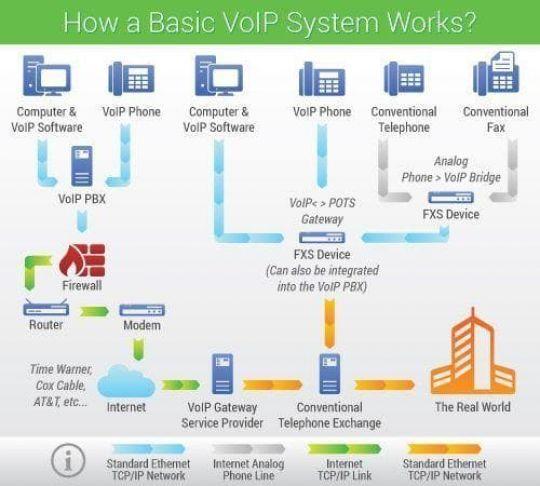
Voice over Internet Protocol (VoIP) converts speech into digital data and carries it over an internet connection. Instead of relying solely on conventional telephone lines and on-site hardware, a VoIP system can route calls through a cloud platform, a private network or a combination of both.
Enterprise solutions are designed to support the needs of larger or more complex organisations. They may include advanced call routing, centralised administration, integrations with business software and tools for managing users across multiple locations.
Key benefits of VoIP for businesses
Greater flexibility
Employees can often make and receive business calls using desk phones, computers or approved mobile apps. This can make it easier for teams to work across offices, at home or while travelling, while keeping business communications connected to the same system.
Scalability as your organisation grows
Adding users, teams or locations can be simpler than expanding a traditional phone network. A well-designed VoIP platform can be adjusted as your requirements change, helping you avoid investing in more infrastructure than you need.
More efficient call handling
Features such as automated attendants, call queues, hunt groups and time-based routing can direct callers to the right person or department. These tools can help manage busy periods and make it easier for customers to reach the appropriate team.
Potential cost savings
VoIP may reduce the need for separate voice infrastructure and can offer more predictable costs, particularly for organisations with multiple sites. The overall value depends on factors such as connectivity, call volumes, existing contracts and the level of support required, so it is important to assess the full cost of ownership.
Useful insights and reporting
Many enterprise systems provide reporting on call volumes, waiting times and answer rates. These insights can help managers understand demand, review service performance and make informed decisions about staffing and customer support.
Features to look for
The right feature set depends on how your organisation works. Common capabilities to consider include:
- Call routing and queues to direct calls according to department, availability or business hours.
- Voicemail and voicemail-to-email to help staff keep track of messages.
- Call recording where appropriate, with clear policies for consent, access and retention.
- Video and messaging to support collaboration across teams.
- Business software integrations such as customer relationship management (CRM) platforms.
- Centralised administration for managing users, numbers and settings across locations.
- Analytics and reporting to help monitor call handling and service levels.
- Continuity and failover options to help maintain access to calls during an outage or disruption.
Security, resilience and call quality
Enterprise communications need to be dependable as well as convenient. Before choosing a solution, ask how it protects calls and account access, and whether it supports measures such as encryption, multi-factor authentication, role-based permissions and audit logs.
Call quality also depends on the network. A provider can offer a capable platform, but poor connectivity, insufficient bandwidth or network congestion may affect performance. Assess your internet service, internal network and Wi-Fi coverage before deployment. For critical communications, consider backup connectivity and a clear continuity plan.
Organisations should also review how personal and business information is handled. If call recording or analytics are used, establish appropriate access, retention and privacy policies, and seek advice to ensure the system is configured in line with relevant requirements.
Planning a successful VoIP deployment
A successful implementation starts with understanding how people communicate today and what needs to improve. Map your call flows, locations, user groups, peak call periods and any essential integrations. This helps define the system requirements and identify potential challenges before migration begins.
- Review your current setup: Document phone numbers, equipment, contracts and existing call processes.
- Assess your network: Check connectivity, bandwidth, router configuration and Wi-Fi performance.
- Set clear priorities: Decide which features are essential and which can be introduced later.
- Plan the transition: Arrange number porting, testing, staff training and a fallback approach.
- Monitor after launch: Review call quality, user feedback and reporting, then make adjustments as needed.
Choosing the right enterprise VoIP provider
Price is only one part of the decision. Look for a provider that understands your operating requirements and can explain the service clearly. Ask about support hours, service availability, onboarding, number porting, integrations, security controls and how faults are handled.
It is also useful to understand what is included in the quoted price. Check whether handsets, licences, support, call recording, training and connectivity are charged separately. A detailed proposal makes it easier to compare solutions on a like-for-like basis.
Is enterprise VoIP right for your organisation?
VoIP enterprise solutions can give organisations a more adaptable way to manage calls and collaboration. They are particularly worth exploring if your business has multiple sites, supports hybrid working, needs advanced call handling or wants better visibility of customer communications.
The best solution is one that fits your people, processes and network—not simply one with the longest feature list. With careful planning and the right support, an enterprise VoIP system can help your organisation communicate more effectively today and adapt more easily in the future.
6 Tips for Choosing the Right Enterprise VoIP Solution
- Assess call volumes and growth before choosing a solution.
- Check compatibility with your existing systems.
- Prioritise strong security and encryption.
- Plan for reliable internet and backup connectivity.
- Test call quality across all office locations.
- Review support, uptime guarantees and total costs.
Assess call volumes and growth before choosing a solution.
Before choosing a VoIP enterprise solution, assess how many calls your organisation handles, when demand peaks and which teams rely most on the phone. Consider future growth too, including plans to recruit, open new sites or expand customer support. Choosing a system that can scale with your needs helps prevent capacity issues and avoids paying for features or licences you do not currently need.
Check compatibility with your existing systems.
Before choosing a VoIP enterprise solution, check that it works with your existing systems, including your internet connection, handsets, CRM software and other business tools. Confirming compatibility early can prevent unexpected costs, reduce disruption during installation and help ensure your teams can continue working smoothly. Ask the provider about integrations, hardware requirements and any upgrades needed before making a decision.
Prioritise strong security and encryption.
Prioritise strong security and encryption when choosing a VoIP enterprise solution, as business calls and account data can be targets for interception or unauthorised access. Look for safeguards such as encryption for calls and data, multi-factor authentication, role-based access controls and regular security updates. It is also important to review how the provider handles call recordings and personal information, and to give staff clear guidance on protecting their accounts. These measures can help reduce risk while keeping your organisation’s communications secure.
Plan for reliable internet and backup connectivity.
Reliable internet is essential for clear, uninterrupted VoIP calls, so assess your network’s speed, capacity and performance before deployment. Consider how call quality could be affected by peak-time traffic or an internet outage, and plan backup connectivity—such as a secondary broadband service or mobile connection—to keep your teams reachable if the primary connection fails.
Test call quality across all office locations.
Test call quality from every office location before rolling out a VoIP enterprise solution. Network performance can vary between sites, so check calls at different times of day and from a range of devices, including desk phones, computers and mobiles. Listen for delays, echo, drop-outs or distorted audio, and review network capacity and Wi-Fi coverage where problems occur. Testing early helps identify issues before they affect staff or customers.
Review support, uptime guarantees and total costs.
When comparing VoIP enterprise solutions, look beyond the monthly price and review the support included, the provider’s uptime guarantees and the total cost of ownership. Check support hours, response times and how faults are escalated, then read the service-level agreement to understand what the uptime commitment covers and what happens if it is missed. Include set-up, licences, handsets, connectivity, call charges, integrations and any support or upgrade fees in your calculations, so you can compare providers fairly and avoid unexpected costs.
Tags: analytics and reporting, business communication, business software integrations, call quality, call queues, call recording, call routing, cloud phone system, communication platform, customer support, enterprise voip, network resilience, remote and hybrid work, scalability, voip deployment, voip enterprise solutions, voip provider, voip security