
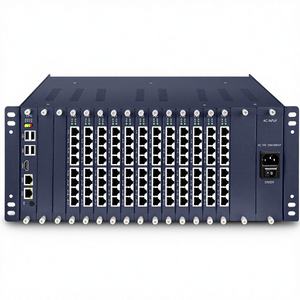
The Power of Enterprise IP Telephony
Enterprise IP telephony, also known as VoIP (Voice over Internet Protocol), is revolutionising the way businesses communicate. By transmitting voice and multimedia content over the internet rather than traditional phone lines, IP telephony offers a host of benefits for modern enterprises.
One of the key advantages of enterprise IP telephony is cost savings. By leveraging existing internet connections for communication, businesses can significantly reduce their phone bills and eliminate the need for separate infrastructure for voice communication. This cost-effective solution allows companies to allocate resources more efficiently and invest in other areas of their operations.
Scalability is another major benefit of enterprise IP telephony. Traditional phone systems often require extensive hardware installations and upgrades to accommodate growth. With IP telephony, scaling up or down is much simpler and more cost-effective, making it an ideal solution for businesses of all sizes.
Enhanced flexibility and mobility are also hallmarks of enterprise IP telephony. Employees can make and receive calls from anywhere with an internet connection, enabling remote work and improving productivity. Features such as call forwarding, voicemail-to-email transcription, and video conferencing further enhance communication capabilities within the enterprise.
Security is a top priority for businesses, especially when it comes to sensitive communication. Enterprise IP telephony offers robust security features such as encryption protocols, firewalls, and access controls to protect data and ensure privacy. These measures help safeguard against potential threats and vulnerabilities in the digital landscape.
Integration with other business applications is another advantage of enterprise IP telephony. By integrating with customer relationship management (CRM) systems, email platforms, and other software solutions, businesses can streamline workflows and enhance efficiency across their operations.
In conclusion, enterprise IP telephony represents a powerful tool for modern businesses looking to improve communication capabilities while reducing costs and increasing flexibility. With its array of benefits including cost savings, scalability, mobility, security, and integration possibilities, IP telephony is shaping the future of enterprise communication.
7 Essential Tips for Optimising Enterprise IP Telephony Systems
- Ensure your network infrastructure can support the demands of IP telephony.
- Implement Quality of Service (QoS) to prioritize voice traffic for better call quality.
- Choose a reliable and scalable IP telephony solution that meets your business needs.
- Train employees on how to use IP telephony features effectively for increased productivity.
- Secure your IP telephony system to protect against potential cyber threats.
- Monitor and analyse call data to identify areas for improvement and cost-saving opportunities.
- Regularly update software and firmware to ensure optimal performance and security.
Ensure your network infrastructure can support the demands of IP telephony.
To maximise the benefits of enterprise IP telephony, it is crucial to ensure that your network infrastructure is capable of supporting the demands of this advanced communication technology. A robust and reliable network is essential for seamless voice and multimedia transmission, ensuring clear and uninterrupted communication within your organisation. By conducting a thorough assessment of your network’s capacity and implementing necessary upgrades or adjustments, you can optimise the performance of your IP telephony system and enhance overall connectivity across your enterprise.
Implement Quality of Service (QoS) to prioritize voice traffic for better call quality.
To enhance call quality and ensure seamless communication, implementing Quality of Service (QoS) in enterprise IP telephony is crucial. By prioritising voice traffic over data packets, QoS helps prevent delays, jitter, and packet loss that can impact call clarity and reliability. This strategic approach optimises network performance, guaranteeing that voice calls receive the necessary bandwidth and resources for consistent high-quality audio transmission. Prioritising voice traffic through QoS ultimately leads to improved call quality and a more efficient communication experience for users within the enterprise environment.
Choose a reliable and scalable IP telephony solution that meets your business needs.
When implementing enterprise IP telephony, it is crucial to select a dependable and adaptable solution that aligns with your business requirements. Opting for a reliable and scalable IP telephony system ensures seamless communication within your organisation while accommodating future growth and changes. By carefully choosing a solution that meets your specific needs, you can enhance efficiency, reduce costs, and improve overall productivity in your business operations.
Train employees on how to use IP telephony features effectively for increased productivity.
To maximise the benefits of enterprise IP telephony, it is essential to train employees on how to utilise its features effectively. By providing comprehensive training on IP telephony functionalities such as call forwarding, voicemail-to-email transcription, and video conferencing, businesses can empower their workforce to communicate more efficiently and boost productivity. Equipping employees with the knowledge and skills to leverage these tools not only enhances their individual performance but also contributes to the overall success of the organisation by streamlining communication processes and fostering collaboration.
Secure your IP telephony system to protect against potential cyber threats.
To safeguard your enterprise IP telephony system and mitigate potential cyber threats, it is crucial to prioritise security measures. Implementing robust security protocols such as encryption, firewalls, and access controls can help protect sensitive data and ensure the privacy of your communication network. Regularly updating software, monitoring network activity, and educating employees on best practices for cybersecurity are essential steps to fortify your IP telephony system against malicious attacks in today’s digital landscape.
Monitor and analyse call data to identify areas for improvement and cost-saving opportunities.
Monitoring and analysing call data in enterprise IP telephony systems is a valuable practice that can provide insights into communication patterns, performance metrics, and cost-saving opportunities. By examining call data, businesses can identify areas for improvement, such as optimizing call routing, refining customer service processes, and enhancing overall efficiency. Moreover, analysing call data enables organisations to pinpoint cost-saving opportunities by identifying unused resources, streamlining communication workflows, and implementing targeted solutions to reduce expenses. This proactive approach to leveraging call data not only enhances operational effectiveness but also contributes to a more streamlined and cost-efficient communication infrastructure within the enterprise.
Regularly update software and firmware to ensure optimal performance and security.
To maximise the performance and security of your enterprise IP telephony system, it is crucial to regularly update both software and firmware. By staying current with updates, you can ensure that your system operates efficiently, addresses any potential vulnerabilities, and remains resilient against security threats. Regular updates not only enhance the overall functionality of your IP telephony solution but also provide peace of mind knowing that your communication infrastructure is equipped with the latest features and protections.
Tags: access controls, businesses communicate, cost savings, crm systems, email platforms, encryption protocols, enterprise ip telephony, firewalls, flexibility, hardware installations, infrastructure, integration with other business applications, internet connections, mobility, productivity, remote work, revolutionising, scalability, security features, software solutions, upgrades, voip