
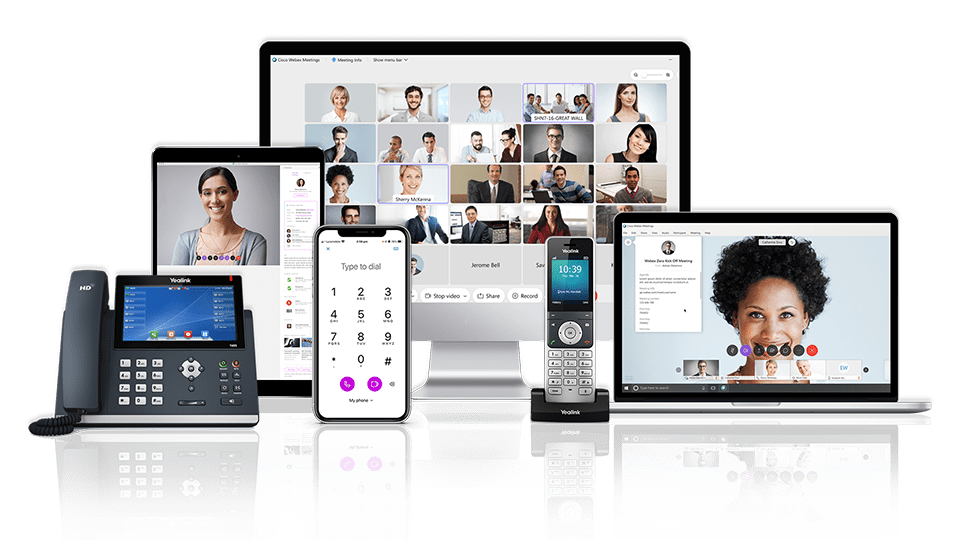
The Evolution of Communication: Embracing Cloud Telephony
In today’s fast-paced digital world, communication is key to the success of any business. With the rise of remote work and global connectivity, traditional phone systems are becoming outdated and inefficient. This is where cloud telephony steps in to revolutionise the way we communicate.
Cloud telephony, also known as VoIP (Voice over Internet Protocol), leverages the power of the internet to transmit voice data instead of traditional phone lines. This technology offers businesses a range of benefits, from cost savings to enhanced flexibility and scalability.
Benefits of Cloud Telephony:
- Cost-Effective: By eliminating the need for physical phone lines, cloud telephony reduces infrastructure costs and maintenance expenses.
- Scalability: Easily scale your communication system up or down based on your business needs without the hassle of hardware upgrades.
- Flexibility: Access your phone system from anywhere with an internet connection, enabling remote work and seamless collaboration.
- Advanced Features: Enjoy a range of advanced features such as call forwarding, voicemail-to-email transcription, and real-time analytics to enhance productivity.
- Reliability: Cloud telephony providers offer robust security measures and backup systems to ensure uninterrupted communication.
The Best Cloud Telephony Providers in 2021:
When it comes to choosing a cloud telephony solution for your business, several providers stand out for their reliability, features, and customer support. Some of the top providers in 2021 include:
- AWS Connect: Amazon Web Services offers a scalable and feature-rich cloud contact centre solution that integrates seamlessly with other AWS services.
- Mitel MiCloud: Mitel’s MiCloud platform provides a comprehensive suite of communication tools tailored to businesses of all sizes.
- RingCentral: RingCentral offers a user-friendly cloud communications platform with advanced collaboration features for enhanced team productivity.
- Vonage Business: Vonage Business provides flexible cloud telephony solutions with robust integrations for CRM systems and other business applications.
As businesses continue to embrace remote work and digital transformation, cloud telephony is set to play a crucial role in shaping the future of communication. By harnessing the power of the cloud, organisations can streamline their operations, improve customer service, and stay ahead in today’s competitive landscape.
Top FAQs About Choosing the Best Cloud Telephony Solutions in the UK
- Which VoIP provider is the best in the UK?
- Which PBX is the best?
- What is cloud based telephony?
- Why move to cloud telephony?
- What is the difference between VoIP and cloud telephony?
- Which cloud phone is best?
- What are the benefits of cloud telephony?
- What is the most reliable VoIP provider?
Which VoIP provider is the best in the UK?
When it comes to determining the best VoIP provider in the UK, several factors come into play. The ideal VoIP provider for a business or individual will depend on specific needs, such as budget, features required, scalability, and customer support. Some top VoIP providers in the UK known for their reliability and comprehensive services include RingCentral, Vonage Business, BT Cloud Voice, and 8×8. It is essential to research each provider’s offerings thoroughly and consider how well they align with your communication requirements to determine the best fit for your organisation.
Which PBX is the best?
When it comes to the frequently asked question of which PBX (Private Branch Exchange) is the best for cloud telephony, the answer largely depends on the specific needs and preferences of the business or organisation in question. Different PBX systems offer varying features, scalability options, integrations, and pricing structures. It is essential for businesses to conduct thorough research, consider their communication requirements, budget constraints, and long-term goals before selecting the best PBX solution for their cloud telephony setup. Consulting with industry experts and trialling different PBX systems can help businesses make an informed decision that aligns with their unique communication needs and objectives.
What is cloud based telephony?
Cloud-based telephony, also known as VoIP (Voice over Internet Protocol), is a modern communication technology that enables voice data to be transmitted over the internet instead of traditional phone lines. In essence, cloud telephony leverages the power of the cloud to provide businesses with a flexible and cost-effective solution for their communication needs. By moving away from physical phone systems and adopting cloud-based services, organisations can enjoy benefits such as scalability, remote accessibility, advanced features, and enhanced reliability. This innovative approach to telephony is revolutionising the way businesses communicate, offering a seamless and efficient alternative to traditional phone systems.
Why move to cloud telephony?
Moving to cloud telephony offers a myriad of benefits that make it a compelling choice for businesses looking to modernise their communication systems. By transitioning to cloud telephony, organisations can enjoy cost savings through the elimination of traditional phone lines and reduced maintenance expenses. The scalability and flexibility of cloud telephony allow businesses to adapt their communication systems according to their evolving needs, without the constraints of physical infrastructure. Furthermore, advanced features such as remote accessibility, real-time analytics, and seamless integration with other business applications enhance productivity and streamline operations. Ultimately, the move to cloud telephony empowers businesses to stay agile, competitive, and well-equipped for the demands of today’s digital landscape.
What is the difference between VoIP and cloud telephony?
When comparing VoIP and cloud telephony, it’s important to understand that VoIP (Voice over Internet Protocol) is a technology that allows voice communication over the internet, while cloud telephony refers to a broader concept of using cloud-based services to manage all aspects of a phone system. In essence, VoIP is a subset of cloud telephony, as it involves transmitting voice data over the internet, whereas cloud telephony encompasses a range of communication services hosted in the cloud. While VoIP focuses primarily on voice calls, cloud telephony includes additional features such as voicemail, call routing, analytics, and integration with other business applications. Ultimately, cloud telephony provides a more comprehensive and scalable solution for modern businesses looking to enhance their communication capabilities.
Which cloud phone is best?
When it comes to determining the best cloud phone solution for your business, several factors should be considered to make an informed decision. The best cloud phone system will depend on your specific requirements, such as the size of your organisation, budget constraints, desired features, and integration capabilities with existing systems. It is advisable to research and compare different cloud phone providers based on their reliability, scalability, security measures, customer support, and user reviews to find the solution that aligns best with your business needs. Conducting a thorough evaluation of each provider’s offerings will help you choose the cloud phone system that optimises communication efficiency and productivity within your organisation.
What are the benefits of cloud telephony?
Cloud telephony offers a multitude of benefits that make it a compelling choice for businesses seeking to modernise their communication systems. One key advantage is cost-effectiveness, as cloud telephony eliminates the need for expensive hardware and maintenance associated with traditional phone systems. Additionally, cloud telephony provides scalability, allowing businesses to easily adjust their communication infrastructure based on changing needs. The flexibility of cloud telephony enables remote access to the phone system, promoting seamless collaboration and productivity. Advanced features such as call forwarding, voicemail-to-email transcription, and real-time analytics further enhance efficiency and customer service. Overall, the reliability, cost savings, scalability, flexibility, and advanced features of cloud telephony make it a valuable asset for businesses looking to streamline their communication processes.
What is the most reliable VoIP provider?
When seeking the most reliable VoIP provider, businesses often look for a combination of factors such as uptime, call quality, customer support, and security measures. While there are several reputable VoIP providers in the market, identifying the most reliable one depends on individual business needs and preferences. Conducting thorough research, reading reviews from other users, and exploring the specific features offered by each provider can help businesses make an informed decision on selecting the best VoIP provider that aligns with their communication requirements and expectations for reliability.
Tags: advanced features, aws connect, benefits, best cloud telephony, cloud telephony, communication, cost-effective, flexibility, mitel micloud, pbx, providers, reliability, ringcentral, scalability, technology, uk voip provider, voip, vonage business