
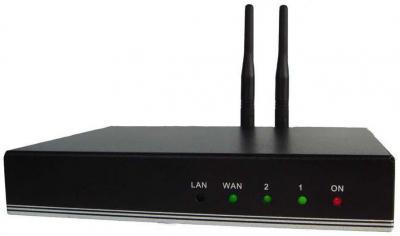
The Power of SIP VoIP Gateway in Modern Communication
In today’s fast-paced world, effective communication is crucial for businesses to thrive. One technology that has revolutionized the way we communicate is the SIP VoIP gateway.
SIP (Session Initiation Protocol) is a signalling protocol used for initiating, maintaining, modifying and terminating real-time sessions that involve video, voice, messaging and other communications applications and services between two or more endpoints on IP networks. VoIP (Voice over Internet Protocol) enables voice communication over the internet rather than traditional phone lines.
When combined, SIP and VoIP create a powerful gateway that allows businesses to make voice calls over the internet, leading to cost savings and increased efficiency. The SIP VoIP gateway acts as a bridge between traditional telephony systems and modern IP-based communication networks.
One of the key benefits of using a SIP VoIP gateway is its flexibility. Businesses can easily integrate their existing phone systems with internet-based communication platforms, enabling seamless communication across different channels. This flexibility also allows for scalability, making it easy to expand or modify communication systems as business needs evolve.
Another advantage of SIP VoIP gateways is their cost-effectiveness. By routing calls over the internet, businesses can significantly reduce their phone bills compared to traditional landline services. Additionally, international calls are much cheaper when using SIP VoIP gateways, making it an attractive option for businesses with global reach.
Security is always a concern when it comes to communication technologies. SIP VoIP gateways offer advanced security features such as encryption and authentication protocols to ensure that sensitive information remains protected during transmission.
In conclusion, the SIP VoIP gateway is a game-changer in modern communication systems. Its ability to seamlessly integrate traditional telephony with internet-based communication channels offers businesses a cost-effective and efficient way to stay connected in today’s digital age.
Understanding SIP VoIP Gateways: Key Questions and Answers for Businesses
- What is a SIP VoIP gateway?
- How does a SIP VoIP gateway work?
- What are the benefits of using a SIP VoIP gateway?
- Is a SIP VoIP gateway secure for business communication?
- How can a business integrate a SIP VoIP gateway into its existing communication systems?
What is a SIP VoIP gateway?
A SIP VoIP gateway, short for Session Initiation Protocol Voice over Internet Protocol gateway, serves as a crucial link between traditional telephony systems and modern IP-based communication networks. It enables businesses to make voice calls over the internet, leveraging the power of SIP signalling protocol and VoIP technology. Essentially, a SIP VoIP gateway facilitates seamless communication by converting voice signals into digital data packets that can be transmitted over IP networks. This integration offers businesses flexibility, cost savings, scalability, and enhanced security features, making it a vital component in modern communication systems.
How does a SIP VoIP gateway work?
A SIP VoIP gateway acts as a bridge between traditional telephony systems and internet-based communication networks by converting voice signals from analogue to digital format for transmission over IP networks. When a call is made from a traditional phone, the SIP VoIP gateway converts the analogue signal into digital data packets that are then sent over the internet to the receiving end. At the receiving end, another SIP VoIP gateway converts the digital data back into analogue signals for playback on the recipient’s phone. This seamless conversion process enables businesses to leverage the benefits of VoIP technology while still using their existing phone systems, making communication more efficient and cost-effective.
What are the benefits of using a SIP VoIP gateway?
When considering the benefits of using a SIP VoIP gateway, businesses can expect increased cost savings, enhanced flexibility, and improved scalability in their communication systems. By leveraging SIP (Session Initiation Protocol) and VoIP (Voice over Internet Protocol) technologies, organisations can seamlessly integrate traditional telephony with internet-based communication platforms. This integration not only reduces phone bills through routing calls over the internet but also allows for easy expansion and modification of communication systems as business needs evolve. Additionally, SIP VoIP gateways offer advanced security features such as encryption and authentication protocols to ensure the protection of sensitive information during transmission, making them a reliable and secure choice for modern communication needs.
Is a SIP VoIP gateway secure for business communication?
Businesses often inquire about the security of SIP VoIP gateways for their communication needs. It is important to note that SIP VoIP gateways offer advanced security features, such as encryption and authentication protocols, to safeguard sensitive information during transmission. By implementing these security measures, businesses can rest assured that their communication data is protected against potential threats. Additionally, regular updates and maintenance of the SIP VoIP gateway can further enhance its security and ensure a safe environment for business communication.
How can a business integrate a SIP VoIP gateway into its existing communication systems?
Integrating a SIP VoIP gateway into an existing communication system is a common question for businesses looking to modernize their communication infrastructure. The process typically involves assessing the current telephony setup, selecting a compatible SIP VoIP gateway device, configuring the gateway to work with the existing network, and ensuring seamless connectivity between traditional phone systems and internet-based VoIP services. Businesses may need to work closely with IT professionals or service providers experienced in SIP technology to ensure a smooth integration process that meets their specific communication needs and requirements.
Tags: bridge, businesses, communication, cost savings, efficiency, flexibility, integration, internet, ip-based networks, scalability, security features, session initiation protocol, signalling protocol, sip voip gateway, technology, telephony systems, traditional phone lines, voice communication, voip