
The Gartner Magic Quadrant for UCaaS: A Comprehensive Overview
Unified Communications as a Service (UCaaS) has become a vital component of modern business communication strategies. As organisations increasingly adopt cloud-based solutions to streamline their operations, the Gartner Magic Quadrant for UCaaS serves as a valuable resource for evaluating and comparing service providers in this competitive market.
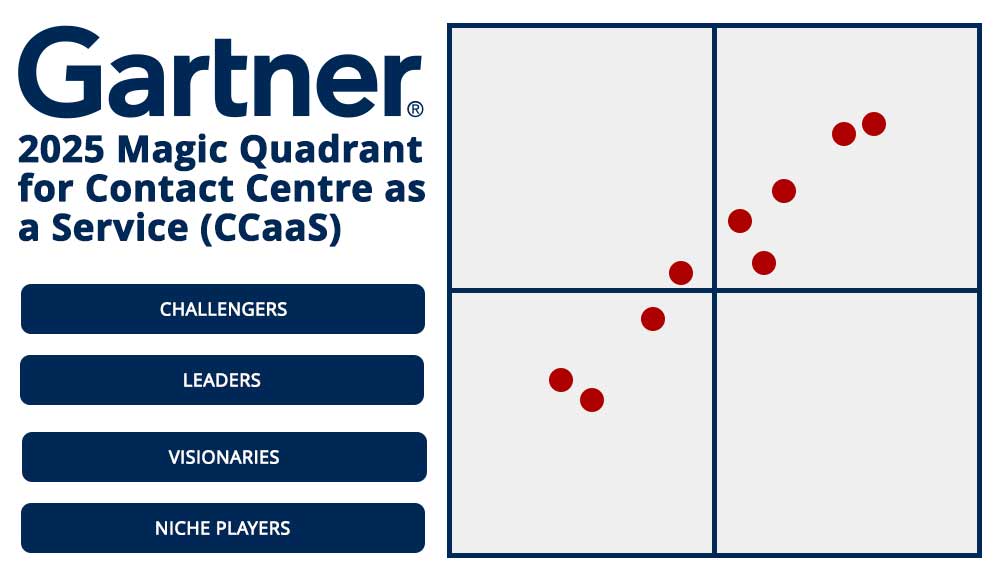
Gartner, a leading research and advisory company, evaluates UCaaS providers based on their completeness of vision and ability to execute. The Magic Quadrant is divided into four categories: Leaders, Challengers, Visionaries, and Niche Players. Each category represents different strengths and weaknesses that can help businesses make informed decisions when selecting a UCaaS provider.
Leaders in the Gartner Magic Quadrant are companies that demonstrate a strong track record of delivering high-quality services and products. They typically have a robust global presence, offer comprehensive features and functionalities, and show a clear understanding of market trends and customer needs.
Challengers are providers that have the resources and capabilities to compete effectively in the market but may lack the innovation or agility of Leaders. They often focus on delivering reliable services with proven track records of success.
Visionaries are companies that show innovation and creativity in their approach to UCaaS solutions. While they may not have the same market presence as Leaders or Challengers, Visionaries offer unique features or technologies that differentiate them from competitors.
Niche Players are providers that focus on specific market segments or niche offerings within the UCaaS space. While they may not have the same scale as Leaders or Challengers, Niche Players can provide tailored solutions for businesses with specific requirements.
Businesses looking to adopt UCaaS solutions can leverage the Gartner Magic Quadrant to assess providers based on their individual needs and priorities. By understanding where each provider falls within the quadrant, organisations can make informed decisions that align with their communication goals and objectives.
Understanding the Gartner Magic Quadrant for UCaaS: Key Insights and FAQs
- What is the Gartner Magic Quadrant for UCaaS?
- How does Gartner evaluate UCaaS providers in the Magic Quadrant?
- What are the criteria used to categorise providers in the Magic Quadrant?
- Who are considered Leaders in the Gartner Magic Quadrant for UCaaS?
- What distinguishes Challengers from other categories in the Magic Quadrant?
- What benefits can businesses gain from referring to the Gartner Magic Quadrant for UCaaS?
- How can organisations use the information from the Magic Quadrant to choose a suitable UCaaS provider?
What is the Gartner Magic Quadrant for UCaaS?
The Gartner Magic Quadrant for UCaaS is a renowned assessment tool that provides businesses with valuable insights into the landscape of Unified Communications as a Service (UCaaS) providers. This comprehensive evaluation categorises UCaaS vendors based on their completeness of vision and ability to execute, offering businesses a clear understanding of each provider’s strengths and weaknesses. By consulting the Gartner Magic Quadrant for UCaaS, organisations can make informed decisions when selecting a service provider that aligns with their communication needs and objectives, ultimately helping them navigate the complex UCaaS market with confidence.
How does Gartner evaluate UCaaS providers in the Magic Quadrant?
Gartner evaluates UCaaS providers in the Magic Quadrant based on two key criteria: completeness of vision and ability to execute. The completeness of vision assesses a provider’s understanding of market trends, customer needs, and innovation capabilities. It looks at factors such as product strategy, innovation, and differentiation. The ability to execute focuses on a provider’s capacity to deliver high-quality services, meet customer expectations, and execute their strategies effectively. By considering these criteria, Gartner provides businesses with a comprehensive assessment of UCaaS providers to help them make informed decisions when selecting a service provider that aligns with their communication requirements.
What are the criteria used to categorise providers in the Magic Quadrant?
The criteria used to categorise providers in the Gartner Magic Quadrant for UCaaS are based on two key dimensions: completeness of vision and ability to execute. The completeness of vision assesses a provider’s understanding of market trends, innovation, and their strategic roadmap for future development. On the other hand, the ability to execute evaluates a provider’s capabilities in delivering high-quality services, meeting customer needs, and demonstrating operational excellence. By considering these dimensions, Gartner aims to provide a comprehensive evaluation of UCaaS providers that helps businesses make informed decisions when selecting a service provider that aligns with their communication requirements and long-term goals.
Who are considered Leaders in the Gartner Magic Quadrant for UCaaS?
In the Gartner Magic Quadrant for UCaaS, Leaders are recognised as top-tier providers who demonstrate a strong combination of vision and execution in delivering unified communications solutions. These companies typically have a global presence, offer a comprehensive range of features and services, and exhibit a deep understanding of market trends and customer needs. Leaders in the UCaaS space are known for their ability to innovate, adapt to changing technologies, and consistently meet the evolving demands of businesses seeking reliable and advanced communication solutions.
What distinguishes Challengers from other categories in the Magic Quadrant?
Challengers in the Gartner Magic Quadrant for UCaaS are distinguished by their strong capabilities and resources to compete effectively in the market. While they may not exhibit the same level of innovation as Visionaries, Challengers focus on delivering reliable and proven solutions to meet the communication needs of businesses. These providers often have a solid track record of success and a robust infrastructure that enables them to deliver high-quality services consistently. Challengers position themselves as dependable options for organisations seeking established UCaaS solutions with a focus on performance and reliability.
What benefits can businesses gain from referring to the Gartner Magic Quadrant for UCaaS?
Businesses can gain numerous benefits from referring to the Gartner Magic Quadrant for UCaaS. By consulting this comprehensive evaluation, organisations can access valuable insights into the competitive landscape of UCaaS providers, helping them make informed decisions when selecting a service provider. The Magic Quadrant categorises providers based on their strengths and weaknesses, enabling businesses to assess factors such as market presence, innovation, and product offerings. This strategic analysis empowers businesses to align their communication needs with industry-leading solutions, ultimately enhancing efficiency, productivity, and overall performance in their communication strategies.
How can organisations use the information from the Magic Quadrant to choose a suitable UCaaS provider?
Organisations can effectively utilise the information from the Gartner Magic Quadrant for UCaaS to select a suitable provider by carefully analysing each provider’s placement within the quadrant. By understanding whether a provider falls under the Leaders, Challengers, Visionaries, or Niche Players category, businesses can gain insights into the strengths and weaknesses of each company. Leaders may offer comprehensive solutions with a strong market presence, while Visionaries may provide innovative features that align with specific business needs. Challengers may excel in reliability and proven track records, while Niche Players could cater to niche requirements. By aligning these characteristics with their own communication goals and requirements, organisations can make informed decisions that best suit their unique needs when choosing a UCaaS provider.
Tags: ability to execute, challengers, completeness of vision, gartner, gartner magic quadrant for ucaas, leaders, magic quadrant, niche players, providers, ucaas, unified communications as a service, visionaries