
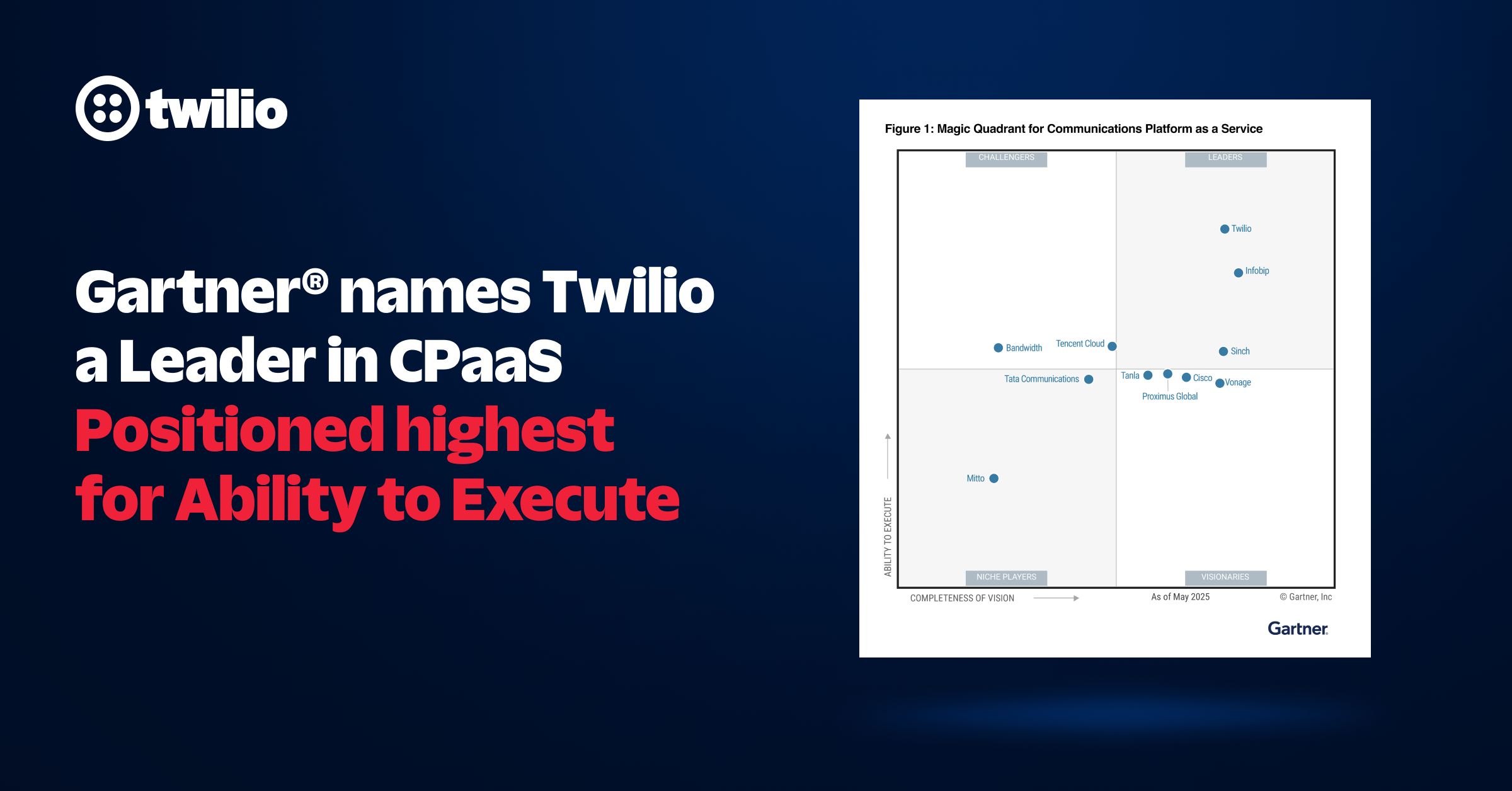
Gartner UC Magic Quadrant 2020: What It Means for Buyers
The Gartner Magic Quadrant for Unified Communications as a Service (UCaaS), Worldwide, 2020 offered a snapshot of a fast-changing communications market. As organisations moved towards remote and hybrid working, demand rose for cloud services that brought calling, video meetings, messaging and collaboration together.
For businesses considering a new communications platform, the report can be a useful starting point. It is best treated as one source of market insight, however, rather than a ready-made shortlist or a definitive verdict on which provider is right for every organisation.
What is the Gartner Magic Quadrant?
Gartner’s Magic Quadrant is a research framework that assesses providers in a particular market. It places vendors in one of four quadrants according to two broad criteria:
- Ability to Execute: how well a provider delivers its products and services, supports customers and performs commercially.
- Completeness of Vision: how well a provider understands the market and how convincing its plans and approach are for the future.
The resulting chart groups providers as Leaders, Challengers, Visionaries or Niche Players. These labels describe a vendor’s position within the market Gartner assessed; they are not a guarantee of performance or a measure of how well a service will meet a particular organisation’s needs.
What did the 2020 UCaaS report assess?
The 2020 report examined providers of cloud-based unified communications services for businesses worldwide. UCaaS platforms typically combine services such as business telephony, video conferencing, instant messaging and presence. Depending on the provider, they may also integrate with contact-centre systems, productivity applications and other business tools.
The report considered each provider’s overall position and capabilities, rather than simply comparing call quality or counting product features. Factors such as service delivery, customer experience, market understanding and product direction can all influence a vendor’s placement.
Why was the 2020 report significant?
The report appeared during a period of extraordinary change. The Covid-19 pandemic led many organisations to move employees away from offices at short notice. Video meetings and cloud-based communications became essential for maintaining day-to-day operations.
This accelerated a shift that was already under way: businesses were increasingly looking to replace or supplement on-premises phone systems with services that could support flexible working. The experience also highlighted practical considerations that can be overlooked when focusing only on a feature list, including service resilience, ease of deployment, administration and support for users working from different locations.
How should businesses use the Magic Quadrant?
The report can help organisations understand the competitive landscape and identify providers for further research. It should not replace a requirements assessment or a hands-on evaluation. Before choosing a UCaaS platform, consider:
- Your communications needs: Decide which functions are essential, such as telephony, video, messaging, call routing or integrations.
- Existing systems: Check how the service will work with your network, devices, business applications and any phone numbers you need to retain.
- Security and compliance: Review the provider’s security controls, data handling, service availability and relevant compliance arrangements.
- Support and resilience: Understand the support model, service-level commitments, disaster recovery provisions and options for maintaining service during an outage.
- Ease of use and management: Consider how straightforward the platform will be for employees and administrators to use.
- Total cost: Compare licensing, implementation, connectivity, devices, training and ongoing support—not just the headline subscription price.
A proof of concept or structured product demonstration can help confirm whether a provider’s service performs as expected in your own environment. It is also worth speaking to customers with requirements similar to yours.
UCaaS is not the same as every cloud communications service
UCaaS focuses on unified communications for an organisation’s employees. Contact Centre as a Service (CCaaS), by contrast, is designed to manage interactions between an organisation and its customers. Some providers offer both, and the services may integrate, but they address different requirements. Buyers should make sure they are comparing like with like.
Is the 2020 Magic Quadrant still useful?
The report remains useful as a historical view of the market at a particular moment, especially for understanding how cloud communications developed during the pandemic. It should not be used as a current vendor ranking: products, ownership, pricing, service capabilities and market positions can change considerably over time.
For a present-day purchasing decision, consult current research and verify details directly with providers. Most importantly, assess each option against your organisation’s own technical, commercial and operational requirements.
In summary
The Gartner UC Magic Quadrant 2020 captured a pivotal year for cloud communications. It can help explain how Gartner assessed the UCaaS market and provide context for a vendor shortlist. The strongest decision, however, comes from combining market research with clear requirements, careful due diligence and practical testing.
Gartner and Magic Quadrant are trademarks of Gartner, Inc. This article is independent and is not endorsed by or affiliated with Gartner.
Understanding the 2020 Gartner UC Magic Quadrant: Key Questions Answered
- What is the Gartner UC Magic Quadrant 2020?
- Which vendors were included in the 2020 Gartner Magic Quadrant for Unified Communications as a Service?
- Which providers were named Leaders in the 2020 UCaaS Magic Quadrant?
- How did Gartner assess vendors in the 2020 UC Magic Quadrant?
- What criteria did Gartner use to place vendors in each quadrant?
- What is the difference between UCaaS and unified communications (UC)?
- How can businesses use the 2020 Magic Quadrant when choosing a communications provider?
- Is the Gartner UC Magic Quadrant 2020 still relevant for choosing a provider today?
What is the Gartner UC Magic Quadrant 2020?
The Gartner UC Magic Quadrant 2020 was Gartner’s assessment of providers in the worldwide Unified Communications as a Service (UCaaS) market. It positioned vendors in four categories—Leaders, Challengers, Visionaries and Niche Players—based on their ability to execute and completeness of vision. The report offered businesses a snapshot of the market at the time, but its findings should be considered alongside current research and an organisation’s own requirements.
Which vendors were included in the 2020 Gartner Magic Quadrant for Unified Communications as a Service?
The 2020 Gartner Magic Quadrant for Unified Communications as a Service included 14 vendors: 8×8, Alcatel-Lucent Enterprise, Avaya, Cisco, Fuze, Google, LogMeIn, Microsoft, Mitel, NEC, RingCentral, Star2Star, T-Systems and Zoom. Their positions reflected Gartner’s assessment of their ability to execute and completeness of vision at the time; the report is a snapshot of the market in 2020, not a current ranking.
Which providers were named Leaders in the 2020 UCaaS Magic Quadrant?
The providers named Leaders in Gartner’s 2020 Magic Quadrant for Unified Communications as a Service (UCaaS), Worldwide, were 8×8, Cisco, Microsoft, RingCentral and Zoom. Gartner’s placement reflected its assessment of each provider’s ability to execute and completeness of vision at the time; it should not be taken as a guarantee that any one service is the best fit for every organisation.
How did Gartner assess vendors in the 2020 UC Magic Quadrant?
Gartner assessed vendors in its 2020 UCaaS Magic Quadrant using two broad dimensions: Ability to Execute and Completeness of Vision. Ability to Execute considered factors such as the quality and performance of a provider’s offering, customer experience, sales and operations, while Completeness of Vision looked at its understanding of the market, product and innovation strategy, and plans for future growth. The assessment reflected Gartner’s view of each vendor at the time and should be read as market analysis, rather than a guarantee that a provider will suit every organisation.
What criteria did Gartner use to place vendors in each quadrant?
Gartner placed vendors in the 2020 UCaaS Magic Quadrant according to two main criteria: “Ability to Execute” and “Completeness of Vision”. Ability to Execute considered factors such as product and service capabilities, customer experience, operations and market performance, while Completeness of Vision assessed each provider’s understanding of the market, product strategy, innovation and future plans. Vendors’ relative positions on these two axes determined whether they appeared as Leaders, Challengers, Visionaries or Niche Players.
What is the difference between UCaaS and unified communications (UC)?
Unified communications (UC) is the broad term for bringing tools such as business telephony, video conferencing, messaging and presence together so people can communicate more easily. Unified Communications as a Service (UCaaS) is a way of delivering those tools: the platform is hosted by a provider and accessed over the internet, typically through a subscription. In short, UC describes the approach and capabilities, while UCaaS describes a cloud-based service model for providing them.
How can businesses use the 2020 Magic Quadrant when choosing a communications provider?
Businesses can use the 2020 Gartner Magic Quadrant as a starting point for researching communications providers and understanding how vendors were positioned at the time. It should not be treated as a current ranking or a substitute for assessing business needs. Compare providers against your requirements for features, integrations, security, reliability, support and total cost, and verify their current capabilities through demonstrations, trials and customer references.
Is the Gartner UC Magic Quadrant 2020 still relevant for choosing a provider today?
The Gartner UC Magic Quadrant 2020 can still offer useful historical context about the UCaaS market, but it shouldn’t be relied on to choose a provider today. The report reflects the market, products and vendor positions at the time, all of which may have changed significantly. Use it as background reading, then consult current research and assess providers against your organisation’s needs, including features, security, integrations, support, reliability and total cost.
Tags: ability to execute, business telephony, ccaas, challengers, cloud communications, cloud phone systems, collaboration, communications platform selection, completeness of vision, contact centre as a service, gartner uc magic quadrant 2020, hybrid working, instant messaging, leaders, niche players, proof of concept, remote working, security and compliance, service resilience, total cost of ownership, ucaas, unified communications as a service, vendor evaluation, video conferencing, visionaries