Top Cloud Phone Systems: Revolutionizing Communication
In today’s fast-paced business world, communication is key to success. Cloud phone systems have emerged as a game-changer, offering businesses of all sizes a flexible, scalable, and cost-effective solution for their communication needs.
Benefits of Cloud Phone Systems
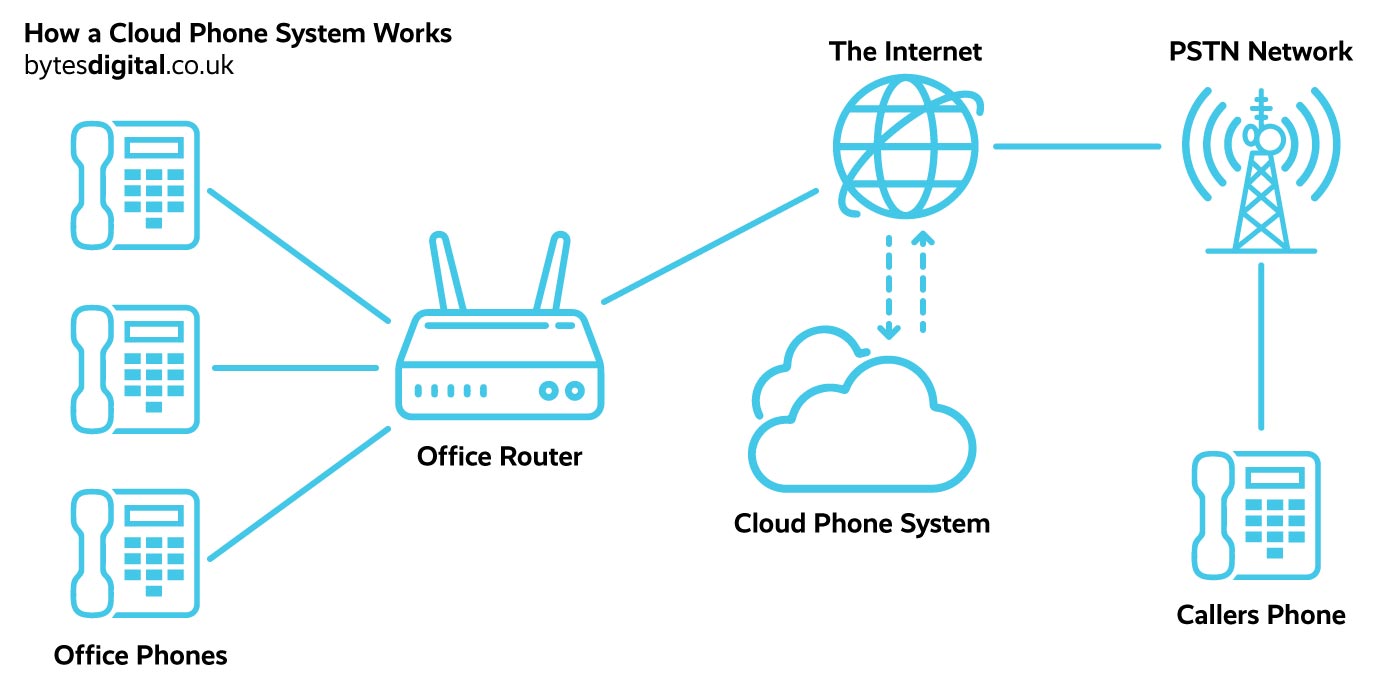
Cloud phone systems operate over the internet, eliminating the need for traditional phone lines and bulky hardware. This not only reduces costs but also provides greater mobility and flexibility for users. With features such as virtual extensions, voicemail-to-email transcription, and auto-attendant services, cloud phone systems empower businesses to communicate more efficiently.
Top Providers in the Market
Several providers offer top-notch cloud phone systems tailored to meet the diverse needs of businesses. From industry giants like RingCentral and 8×8 to innovative startups like Nextiva and Vonage Business, there is no shortage of options for businesses looking to upgrade their communication infrastructure.
Ringing in Success with RingCentral
RingCentral stands out for its comprehensive suite of communication tools, including voice, video conferencing, team messaging, and contact centre solutions. With a user-friendly interface and seamless integration with popular business applications, RingCentral is a top choice for businesses seeking a unified communication platform.
Elevate Your Communication with 8×8
8×8 offers a range of cloud-based communication solutions designed to enhance collaboration and productivity. With features such as HD voice quality, mobile app support, and advanced analytics capabilities, 8×8 empowers businesses to stay connected with customers and colleagues anytime, anywhere.
Conclusion
Cloud phone systems have redefined the way businesses communicate, enabling them to operate more efficiently and effectively in today’s digital landscape. By choosing a top cloud phone system provider that aligns with their unique needs and goals, businesses can unlock new opportunities for growth and success.
Top Cloud Phone Systems: 6 Key Advantages for Your Business
Top Cloud Phone Systems: Five Key Drawbacks to Consider
- Dependence on internet connection can lead to disruptions in communication.
- Potential security risks associated with storing sensitive data in the cloud.
- Limited customization options compared to traditional phone systems.
- Subscription-based pricing models may result in long-term costs that add up over time.
- Integration challenges with existing IT infrastructure and software systems.
Cost-effective
One of the key advantages of top cloud phone systems is their cost-effectiveness. By operating over the internet and eliminating the need for expensive hardware and maintenance, businesses can significantly reduce their communication costs. This financial savings can be particularly beneficial for small and medium-sized enterprises looking to streamline their operations without compromising on the quality of their communication services. Additionally, the scalability of cloud phone systems allows businesses to adjust their communication infrastructure according to their needs, further enhancing cost efficiency in the long run.
Scalable
One key advantage of top cloud phone systems is their scalability, allowing businesses to effortlessly adjust their communication infrastructure to meet changing demands. With cloud-based solutions, companies can easily scale up or down without the need for substantial investments in hardware or infrastructure. This flexibility enables businesses to adapt to growth spurts or fluctuations in communication requirements, ensuring that they can efficiently manage their resources and costs while maintaining seamless connectivity with customers and colleagues.
Flexible
One key advantage of top cloud phone systems is their flexibility, allowing users to access the system from any location with an internet connection. This feature greatly enhances remote work capabilities, enabling employees to stay connected and productive regardless of their physical location. Whether working from home, on the go, or in a different office, users can seamlessly make and receive calls, access voicemail, and utilise other communication features through the cloud phone system. This flexibility not only boosts efficiency but also promotes collaboration and teamwork among remote teams.
Feature-rich
One of the key advantages of top cloud phone systems is their feature-rich nature. These systems provide a diverse array of advanced features that enhance communication efficiency and productivity. From convenient voicemail-to-email transcription that ensures important messages are never missed to sophisticated auto-attendant services that streamline call routing, cloud phone systems offer businesses the tools they need to communicate effectively in today’s fast-paced digital world.
Reliable
Top cloud phone system providers excel in reliability, ensuring high uptime to keep business communications running smoothly. By offering robust infrastructure and proactive monitoring, these providers guarantee uninterrupted service, allowing businesses to operate without disruptions and maintain seamless communication channels with customers and partners. With a focus on reliability, top cloud phone systems instil confidence in users, knowing that their communication needs are consistently met with dependable performance.
Easy to manage
Cloud phone systems offer the distinct advantage of being easy to manage. With intuitive web interfaces, users can effortlessly navigate and configure their communication settings without the need for extensive technical expertise. This streamlined approach reduces IT complexity and empowers businesses to make real-time adjustments to their phone system with ease. By providing a user-friendly management experience, cloud phone systems enable organisations to focus on their core operations while ensuring seamless and efficient communication channels are maintained.
Dependence on internet connection can lead to disruptions in communication.
One significant drawback of top cloud phone systems is their reliance on a stable internet connection, which can potentially result in disruptions in communication. In cases where the internet connection is slow or unstable, users may experience dropped calls, poor call quality, or even complete loss of service. This dependence on the internet introduces a vulnerability that businesses need to consider when opting for a cloud phone system, as any downtime or interruptions in connectivity can impact productivity and customer satisfaction. It is crucial for businesses to have contingency plans in place to mitigate the risks associated with this con of cloud phone systems.
Potential security risks associated with storing sensitive data in the cloud.
One significant drawback of top cloud phone systems is the potential security risks associated with storing sensitive data in the cloud. While cloud providers implement robust security measures to protect data, there is always a risk of data breaches or cyber attacks that could compromise confidential information. Businesses must carefully assess their data security requirements and ensure that adequate encryption, access controls, and monitoring mechanisms are in place to safeguard sensitive data stored in the cloud. Failure to address these security concerns can expose businesses to financial losses, reputational damage, and regulatory penalties. It is essential for organisations to stay vigilant and proactive in mitigating the security risks associated with using cloud phone systems for storing sensitive information.
Limited customization options compared to traditional phone systems.
One significant drawback of top cloud phone systems is their limited customization options compared to traditional phone systems. While cloud phone systems offer a range of features and functionalities, they may not always provide the same level of flexibility in terms of customisation as traditional on-premises systems. Businesses that require highly tailored communication solutions or specific configurations may find themselves constrained by the standardized nature of cloud phone systems, potentially limiting their ability to fully meet their unique communication needs.
Subscription-based pricing models may result in long-term costs that add up over time.
One potential drawback of top cloud phone systems is the subscription-based pricing model, which could lead to accumulating long-term costs. While the initial cost may seem affordable, monthly or annual subscription fees can add up over time, potentially exceeding the upfront investment required for traditional phone systems. Businesses need to carefully consider their budget and usage requirements to ensure that they are not caught off guard by escalating costs associated with continuous subscription payments for cloud phone services.
Integration challenges with existing IT infrastructure and software systems.
One significant drawback of top cloud phone systems is the integration challenges they pose with existing IT infrastructure and software systems. Businesses that have invested heavily in on-premises solutions may encounter difficulties when trying to seamlessly connect their legacy systems with cloud-based communication platforms. This can lead to compatibility issues, data silos, and additional costs associated with custom integration workarounds. As a result, organisations may face disruptions in workflow efficiency and productivity as they navigate the complexities of merging disparate technologies within their IT environment.
Tags: 8x8, 8x8 features, auto-attendant services, benefits, cloud phone systems, communication, cost-effective, flexible, internet-based, mobility, providers, ringcentral, ringcentral features, scalable, top cloud phone systems, virtual extensions, voicemail-to-email transcription