
Gartner Magic Quadrant for Wi-Fi in 2021: What It Means for Business Networks
Businesses comparing enterprise Wi-Fi platforms often look to Gartner’s Magic Quadrant for an overview of the market. The 2021 report is commonly referred to as the “Gartner Magic Quadrant for Wi-Fi”, although Gartner’s coverage was broader: it assessed enterprise wired and wireless LAN infrastructure, including the systems used to manage Wi-Fi networks.
What the Magic Quadrant measures
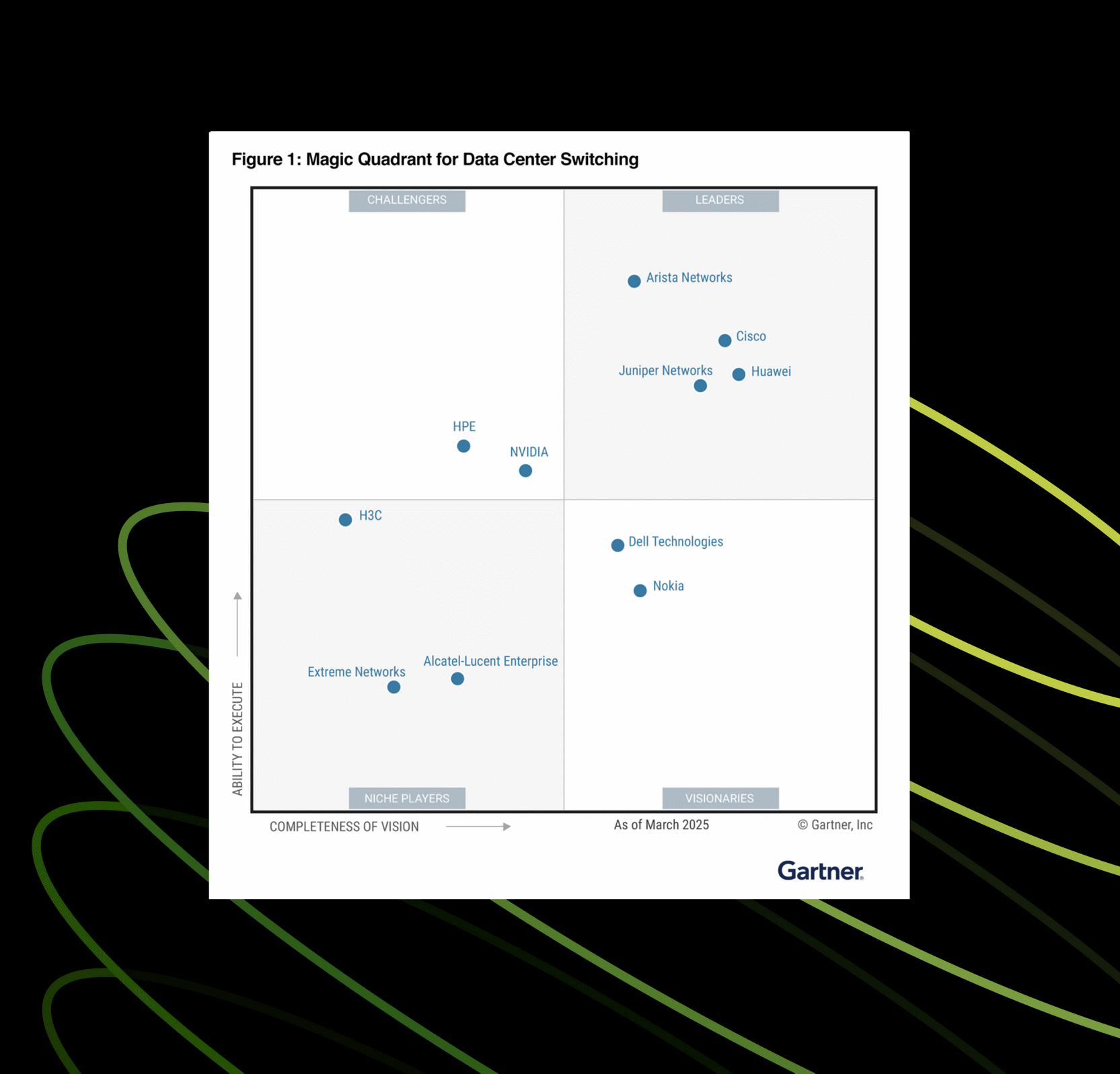
The Magic Quadrant places assessed technology providers into four categories: Leaders, Challengers, Visionaries and Niche Players. The categories are based on two dimensions: Ability to Execute and Completeness of Vision.
- Leaders score strongly in both areas.
- Challengers demonstrate execution strength, but may have a less complete vision of how the market will develop.
- Visionaries present compelling ideas or product direction, while having less evidence of broad execution.
- Niche Players may serve particular markets or use cases, or have a narrower product focus.
These categories are Gartner’s assessment of providers against its stated criteria. They are not a guarantee that a product will suit every organisation, nor a measure of Wi-Fi performance in every environment.
Why the 2021 report matters
By 2021, enterprise Wi-Fi decisions were increasingly about more than wireless access points. Organisations were also assessing cloud-based management, network analytics, security, automation and how well wireless services worked alongside wired infrastructure. The report therefore offered a wider view of enterprise LAN platforms, rather than a simple ranking of Wi-Fi hardware.
That broader perspective is useful because a network’s day-to-day performance depends on the whole system: access points, switching, management software, security controls and the design of the site itself. A provider’s position in a market analysis cannot replace a technical assessment of those elements.
How to use the report when choosing a Wi-Fi provider
The Magic Quadrant can help organisations create a shortlist and understand how Gartner viewed the market in 2021. It is best used as one input in a wider procurement process. Buyers should also consider:
- Requirements and scale: the number of sites, users and devices, along with expected growth.
- Management model: whether cloud-managed, locally managed or hybrid operation best fits the organisation.
- Security: authentication, access controls, monitoring and integration with existing security tools.
- Performance and coverage: capacity, roaming, interference and the demands of the applications in use.
- Integration: compatibility with current switching, identity, monitoring and support systems.
- Total cost: hardware, licences, support, deployment and ongoing management.
- Supplier support: service availability, partner capability and the provider’s product roadmap.
A site survey, proof of concept and clear service requirements can help test whether a shortlisted solution will work in the organisation’s actual buildings and operating conditions.
A snapshot, not a current ranking
The 2021 Magic Quadrant reflects Gartner’s view of the market at the time the research was published. The enterprise networking market has continued to change since then, so its findings should not be treated as a current comparison of providers. Organisations making a decision today should check for newer research and review vendors’ latest products, licensing and support arrangements.
Conclusion
The Gartner Magic Quadrant for enterprise wired and wireless LAN infrastructure in 2021 provides historical context for understanding the Wi-Fi market and its major evaluation themes. Its greatest value is as a starting point for research: the right platform ultimately depends on an organisation’s technical needs, operating model, security requirements and budget.
Understanding the Gartner Magic Quadrant: Relevance, Future Insights, Uses, and Cloud Service Provider Rankings
- Is the Magic Quadrant still relevant?
- Is there an ITSM Gartner Magic Quadrant for 2026?
- What is the Gartner Magic Quadrant used for?
- Which cloud service providers are ranked in the Gartner Magic Quadrant?
Is the Magic Quadrant still relevant?
The 2021 Gartner Magic Quadrant can still be useful for understanding how the enterprise Wi-Fi market was viewed at the time and for exploring the evaluation criteria Gartner considered important. However, it is a historical snapshot, not a guide to today’s vendor landscape: products, capabilities and market positions may have changed since publication. Use it as background research, and check newer reports and current product information before making a decision.
Is there an ITSM Gartner Magic Quadrant for 2026?
The 2021 Wi-Fi Magic Quadrant is separate from Gartner’s research into IT service management (ITSM). Gartner may publish a Magic Quadrant for IT service management platforms, but a 2026 edition is available only if Gartner has released one; these reports are not guaranteed to appear every year. Check Gartner’s report catalogue for the latest edition and publication date, and be wary of third-party graphics presented as official Gartner research.
What is the Gartner Magic Quadrant used for?
The Gartner Magic Quadrant is used to compare technology providers within a specific market, based on Gartner’s assessment of their ability to execute and completeness of vision. For enterprise Wi-Fi and LAN solutions, it can help organisations understand the competitive landscape and create a shortlist of suppliers. It should be treated as a starting point for research rather than a definitive recommendation, as the best choice depends on each organisation’s requirements, budget and existing infrastructure.
Which cloud service providers are ranked in the Gartner Magic Quadrant?
The 2021 Gartner Magic Quadrant for Enterprise Wired and Wireless LAN Infrastructure does not rank cloud service providers such as AWS, Microsoft Azure or Google Cloud. It assesses enterprise networking vendors, some of which offer cloud-managed Wi-Fi and network services. To see which vendors were included and their positions, refer to the original 2021 report; inclusion in the report is not the same as being ranked as a cloud provider.
Tags: 2021 report, ability to execute, access points, challengers, cloud-managed networks, completeness of vision, enterprise networking, enterprise wi-fi, gartner magic quadrant, gartner magic quadrant wifi 2021, integration, leaders, network analytics, network automation, network management, network requirements, niche players, performance and coverage, procurement, proof of concept, site survey, supplier support, total cost of ownership, vendor evaluation, visionaries, wi-fi provider selection, wi-fi security, wired and wireless lan infrastructure