
The Benefits of Residential VoIP Service
Voice over Internet Protocol (VoIP) has revolutionised the way we communicate, not only in business settings but also in residential environments. Residential VoIP service offers a cost-effective and feature-rich alternative to traditional landline phone services, providing homeowners with a range of benefits.
Cost Savings
One of the primary advantages of residential VoIP service is cost savings. VoIP calls are transmitted over the internet, bypassing traditional phone networks and reducing the costs associated with long-distance and international calls. With a residential VoIP service, homeowners can enjoy significant savings on their monthly phone bills.
Feature-Rich Solutions
Residential VoIP services come equipped with a wide range of features that enhance the overall communication experience. From call forwarding and voicemail to video calling and virtual phone numbers, homeowners can customise their VoIP service to meet their specific needs.
Flexibility and Mobility
With residential VoIP service, homeowners are no longer tied to a physical landline. VoIP calls can be made and received using a variety of devices, including smartphones, tablets, and computers. This flexibility allows homeowners to stay connected wherever they are, whether at home or on the go.
Integration with Smart Home Devices
Residential VoIP services can easily integrate with smart home devices, enabling homeowners to control their phone system through voice commands or automation. This seamless integration enhances convenience and efficiency in managing communication within the home.
Reliability and Quality
Despite being transmitted over the internet, residential VoIP services offer high-quality audio and reliable connections. Advances in technology have improved the reliability of VoIP calls, ensuring clear communication without disruptions or delays.
In conclusion, residential VoIP service offers homeowners a cost-effective, feature-rich, and flexible communication solution that enhances connectivity within the home. With its array of benefits and advancements in quality and reliability, VoIP is becoming an increasingly popular choice for modern households seeking an efficient and modern phone service.
Understanding Residential VoIP: Benefits, Reliability, Number Portability, and Setup Essentials
- What is residential VoIP service and how does it work?
- What are the benefits of using VoIP for home phone service?
- Is residential VoIP service reliable for everyday use?
- Can I keep my existing phone number when switching to a VoIP service?
- What equipment do I need to set up residential VoIP service at home?
What is residential VoIP service and how does it work?
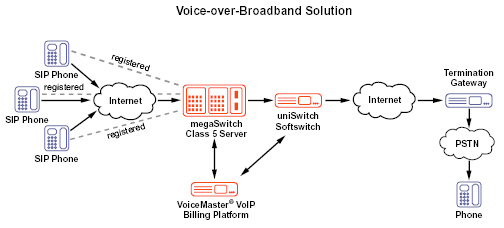
Residential VoIP service, short for Voice over Internet Protocol, is a technology that enables homeowners to make phone calls over the internet instead of using traditional landline services. With residential VoIP service, voice data is converted into digital signals and transmitted over the internet to the recipient. This process eliminates the need for a physical phone line and allows homeowners to make calls using a variety of devices, such as smartphones, computers, or IP phones. By leveraging the power of the internet, residential VoIP service offers cost-effective communication solutions with advanced features and flexibility, transforming the way people connect within their homes.
What are the benefits of using VoIP for home phone service?
When considering the benefits of using VoIP for home phone service, homeowners can look forward to a range of advantages. VoIP offers cost savings compared to traditional landline services, with reduced rates for long-distance and international calls. Additionally, the feature-rich nature of VoIP allows for customisation with services such as call forwarding, voicemail, video calling, and virtual phone numbers. The flexibility and mobility of VoIP enable users to make and receive calls on various devices, enhancing connectivity both at home and on the go. Integration with smart home devices further adds convenience and efficiency to managing communication within the household. Lastly, the reliability and quality of VoIP calls have significantly improved over time, ensuring clear communication without disruptions or delays. Overall, utilising VoIP for home phone service presents a modern and efficient solution that caters to the diverse communication needs of homeowners today.
Is residential VoIP service reliable for everyday use?
Residential VoIP service has evolved to become a reliable communication solution for everyday use. With advancements in technology and network infrastructure, VoIP providers now offer high-quality audio and stable connections that rival traditional landline services. Homeowners can confidently rely on residential VoIP for their daily communication needs, whether making calls, hosting video conferences, or sending messages. Additionally, many VoIP providers offer backup solutions and redundancy measures to ensure continuity of service in the event of any disruptions. Overall, residential VoIP service has proven its reliability and suitability for modern households seeking a cost-effective and feature-rich communication option.
Can I keep my existing phone number when switching to a VoIP service?
When considering switching to a VoIP service for your residential phone needs, a common question that arises is whether you can keep your existing phone number. The good news is that in most cases, it is possible to retain your current phone number when transitioning to a VoIP service. This process, known as number porting, allows you to transfer your existing phone number from your traditional landline provider to your new VoIP service provider. By keeping your familiar phone number, you can seamlessly transition to VoIP while maintaining continuity in communication for yourself and your contacts. It’s important to check with your chosen VoIP provider about their specific number porting policies and procedures to ensure a smooth and hassle-free transition.
What equipment do I need to set up residential VoIP service at home?
To set up residential VoIP service at home, you will need a few essential pieces of equipment. Firstly, you will require a high-speed internet connection to ensure smooth and reliable VoIP calls. Next, you will need an analogue telephone adapter (ATA) to connect your traditional landline phone to the internet for VoIP calling. Alternatively, you can use IP phones that are specifically designed for VoIP service. Additionally, a router with Quality of Service (QoS) capabilities is recommended to prioritise voice traffic for optimal call quality. Lastly, a subscription to a residential VoIP service provider is essential to access and utilise the VoIP network for making and receiving calls. By having these key equipment components in place, you can easily set up and enjoy the benefits of residential VoIP service in your home.
Tags: benefits, cost savings, digital signals, feature-rich, flexibility, homeowners, integration with smart home devices, internet, mobility, phone calls, quality, reliability, residential voip service, technology, traditional landline services