
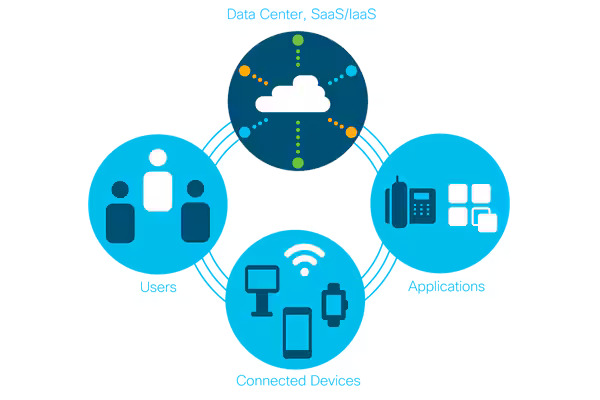
The Power of SD-WAN in Unified Communications
In today’s fast-paced business environment, seamless communication is essential for success. As companies increasingly rely on digital platforms and remote work, the need for efficient and reliable communication solutions has never been greater.
SD-WAN (Software-Defined Wide Area Network) technology is revolutionising the way businesses approach unified communications. By leveraging SD-WAN in conjunction with unified communications systems, organisations can achieve enhanced connectivity, improved performance, and increased flexibility.
Benefits of SD-WAN in Unified Communications:
- Enhanced Connectivity: SD-WAN optimises network performance by dynamically routing traffic based on real-time conditions. This ensures that voice, video, and data transmissions are prioritised for optimal quality.
- Improved Performance: With SD-WAN, businesses can achieve higher bandwidth efficiency and reduced latency. This results in faster communication speeds and better overall user experience.
- Increased Flexibility: SD-WAN allows organisations to easily scale their network infrastructure to accommodate changing business needs. Whether expanding to new locations or supporting a remote workforce, SD-WAN provides the agility required for modern communication demands.
- Cost-Effectiveness: By consolidating network management and reducing reliance on expensive hardware, SD-WAN can help businesses lower operational costs while maintaining high performance levels.
In conclusion, the integration of SD-WAN technology with unified communications systems offers a powerful solution for modern businesses seeking to enhance their communication capabilities. By harnessing the benefits of SD-WAN, organisations can create a robust and agile network infrastructure that supports their evolving communication needs.
Top 5 Advantages of SD-WAN Unified Communications: Boosting Connectivity, Performance, and Cost Efficiency
- Enhanced connectivity through dynamic traffic routing
- Improved performance with higher bandwidth efficiency
- Increased flexibility to scale network infrastructure easily
- Cost-effectiveness by reducing operational expenses
- Optimised user experience with reduced latency
Challenges of Implementing SD-WAN in Unified Communications: Key Considerations and Drawbacks
- Initial setup costs can be high for implementing SD-WAN in unified communications systems.
- Complexity in managing and configuring SD-WAN solutions may require specialised IT expertise.
- Potential security vulnerabilities due to increased network exposure with SD-WAN deployments.
- Integration challenges when connecting legacy systems or incompatible hardware with SD-WAN technology.
- Dependency on internet connectivity for SD-WAN functionality, which may lead to service disruptions in case of network outages.
- Limited control over performance and prioritisation of traffic within the SD-WAN environment.
Enhanced connectivity through dynamic traffic routing
Enhanced connectivity through dynamic traffic routing is a key advantage of integrating SD-WAN into unified communications systems. By leveraging this capability, businesses can ensure that critical voice, video, and data transmissions are prioritised based on real-time network conditions. This optimisation not only improves the quality of communication but also enhances overall network performance by dynamically routing traffic to the most efficient pathways. As a result, organisations can experience seamless and reliable connectivity that adapts to changing demands, ultimately leading to improved productivity and user satisfaction.
Improved performance with higher bandwidth efficiency
One key advantage of integrating SD-WAN into unified communications systems is the significant improvement in performance achieved through higher bandwidth efficiency. By optimising network resources and dynamically routing traffic based on real-time conditions, SD-WAN ensures that data, voice, and video transmissions are prioritised for optimal quality. This enhanced efficiency not only results in faster communication speeds but also contributes to a better overall user experience, making it a valuable asset for businesses seeking to streamline their communication processes.
Increased flexibility to scale network infrastructure easily
The increased flexibility offered by SD-WAN in unified communications allows businesses to effortlessly scale their network infrastructure to adapt to changing requirements. This capability enables organisations to expand into new locations, support a growing remote workforce, or adjust network resources as needed without the complexity and constraints of traditional networking solutions. By providing the agility to easily scale up or down, SD-WAN empowers businesses to efficiently meet their communication demands while remaining responsive to evolving business dynamics.
Cost-effectiveness by reducing operational expenses
One of the key advantages of integrating SD-WAN into unified communications systems is its cost-effectiveness in reducing operational expenses. By streamlining network management and decreasing reliance on costly hardware, businesses can significantly lower their operational costs while maintaining high-performance levels. This financial efficiency allows organisations to allocate resources more strategically, invest in other areas of their business, and ultimately achieve a better return on investment.
Optimised user experience with reduced latency
By leveraging SD-WAN technology in unified communications, businesses can significantly enhance the user experience by reducing latency. This means that communication transmissions, whether voice, video, or data, are delivered with minimal delay, ensuring a seamless and responsive interaction for all users. The optimisation of network performance through SD-WAN leads to improved efficiency and productivity, ultimately contributing to a more satisfying and effective communication experience for employees and customers alike.
Initial setup costs can be high for implementing SD-WAN in unified communications systems.
One significant drawback of implementing SD-WAN in unified communications systems is the potentially high initial setup costs involved. Setting up an SD-WAN infrastructure requires investment in specialised hardware, software, and skilled personnel to ensure a smooth integration with existing communication systems. These upfront expenses can pose a financial challenge for some businesses, especially smaller organisations or startups operating on tight budgets. Despite the long-term benefits that SD-WAN offers, the initial cost barrier may deter some companies from adopting this technology, limiting their ability to leverage its advantages for enhanced communication capabilities.
Complexity in managing and configuring SD-WAN solutions may require specialised IT expertise.
One significant drawback of SD-WAN unified communications is the complexity involved in managing and configuring these solutions, which often necessitates specialised IT expertise. Implementing and maintaining an SD-WAN infrastructure can be challenging for organisations without dedicated IT resources or personnel with the necessary skills. The intricacies of optimising network performance, prioritising traffic, and ensuring seamless connectivity across various locations can pose a barrier for businesses looking to leverage SD-WAN technology effectively. As a result, the reliance on specialised IT professionals to handle the complexities of SD-WAN deployments can add to the operational costs and resource requirements for implementing unified communications systems based on this technology.
Potential security vulnerabilities due to increased network exposure with SD-WAN deployments.
One significant drawback of SD-WAN in unified communications is the potential security vulnerabilities that arise from increased network exposure with SD-WAN deployments. As SD-WAN optimises network performance by dynamically routing traffic, it may inadvertently expose sensitive data to potential security breaches. This heightened network visibility could make it easier for cyber threats to infiltrate the system, posing a risk to data privacy and overall network security. Organisations must implement robust security measures and protocols to mitigate these risks and safeguard their communication infrastructure effectively.
Integration challenges when connecting legacy systems or incompatible hardware with SD-WAN technology.
One significant challenge of implementing SD-WAN in unified communications is the integration hurdles that arise when trying to connect legacy systems or incompatible hardware with this advanced technology. Legacy systems often lack the necessary compatibility with SD-WAN, leading to complexities in integrating them seamlessly into the network. This can result in disruptions, data loss, or compromised performance, hindering the smooth operation of unified communications systems. Overcoming these integration challenges requires careful planning, expertise in system migration, and potentially additional investments to ensure a cohesive and efficient communication infrastructure.
Dependency on internet connectivity for SD-WAN functionality, which may lead to service disruptions in case of network outages.
One significant drawback of SD-WAN in unified communications is its dependency on internet connectivity for functionality. In the event of network outages or disruptions, the reliance on internet-based connections can lead to service interruptions and communication downtime. This vulnerability highlights the importance of having robust backup plans and redundancy measures in place to mitigate the impact of potential network failures on the overall communication system’s reliability and continuity.
Limited control over performance and prioritisation of traffic within the SD-WAN environment.
One significant drawback of SD-WAN in unified communications is the limited control over performance and prioritisation of traffic within the SD-WAN environment. While SD-WAN technology offers dynamic routing capabilities to optimise network performance, the lack of granular control can lead to challenges in managing and prioritising specific types of traffic effectively. This limitation could potentially result in suboptimal performance for critical applications or services, impacting overall communication quality and user experience within the network. Organizations must carefully consider this con when implementing SD-WAN solutions to ensure they can address performance and traffic prioritisation requirements adequately.
Tags: bandwidth efficiency, cost-effectiveness, dynamic traffic routing, enhanced connectivity, improved performance, increased flexibility, network infrastructure, remote workforce, sd wan unified communications, sd-wan, unified communications