
Exploring UCaaS Features: Enhancing Communication in the Digital Age
In today’s fast-paced digital landscape, businesses are constantly seeking ways to improve communication efficiency and collaboration among their teams. Unified Communications as a Service (UCaaS) has emerged as a powerful solution that offers a range of features to streamline communication processes and enhance productivity.
Key UCaaS Features:
- Voice Calling: UCaaS platforms provide high-quality voice calling capabilities, allowing users to make and receive calls from any device connected to the internet.
- Video Conferencing: With video conferencing features, teams can conduct virtual meetings with crystal-clear audio and video quality, fostering real-time collaboration regardless of geographical locations.
- Instant Messaging: Instant messaging functionalities enable quick and efficient communication within teams, facilitating swift decision-making and information sharing.
- File Sharing: UCaaS platforms offer secure file sharing options, allowing users to exchange documents, presentations, and other files seamlessly during conversations.
- Presence Management: Presence indicators show users’ availability status, making it easier to determine who is online and ready for communication at any given time.
- Integration Capabilities: UCaaS solutions can integrate with various business applications such as CRM systems, email clients, and project management tools for enhanced workflow efficiency.
- Mobility Support: Users can access UCaaS features on-the-go through mobile applications, ensuring seamless communication even when away from the office.
The Benefits of UCaaS Features:
The incorporation of these advanced features into a unified platform offers several benefits for businesses:
- Improved Collaboration: By enabling multiple modes of communication within one platform, UCaaS enhances team collaboration and fosters a more connected work environment.
- Cost Efficiency: Consolidating communication tools into a single solution reduces operational costs associated with managing disparate systems while providing a scalable model that aligns with business needs.
- Enhanced Productivity: Streamlined communication processes lead to increased productivity as employees can communicate more efficiently and access necessary resources without switching between different applications.
- Flexibility and Scalability: UCaaS solutions offer flexibility for businesses to scale their communication capabilities based on evolving requirements, ensuring adaptability in dynamic market conditions.
In conclusion, the comprehensive features offered by UCaaS platforms empower businesses to create a cohesive communication ecosystem that drives efficiency, collaboration, and innovation. Embracing UCaaS technology is key to staying competitive in today’s digital era where effective communication is paramount for success.
Exploring UCaaS: Key Features, Components, and Comparisons with CCaaS
- What are the 7 features of communication?
- What are the components of UCaaS?
- Is zoom phone UCaaS?
- What are the features of UCaaS?
- What’s the difference between UCaaS and CCaaS?
- What is an example of UCaaS?
What are the 7 features of communication?
When exploring Unified Communications as a Service (UCaaS) features, understanding the core components of communication is essential. The 7 key features of communication encompass voice calling, video conferencing, instant messaging, file sharing, presence management, integration capabilities, and mobility support. These features collectively form a robust communication framework that enables seamless collaboration, efficient information exchange, and enhanced connectivity across teams and devices. By leveraging these fundamental elements of communication within a UCaaS platform, businesses can optimise their communication processes and elevate productivity in the digital age.
What are the components of UCaaS?
When exploring the components of Unified Communications as a Service (UCaaS), it becomes evident that this comprehensive solution comprises various key elements that work together to streamline communication processes. The components of UCaaS typically include voice calling, video conferencing, instant messaging, file sharing, presence management, integration capabilities, and mobility support. Each component plays a crucial role in creating a unified platform that enables seamless communication across different channels and devices. By integrating these components into a single solution, UCaaS enhances collaboration, productivity, and efficiency within organisations while offering flexibility and scalability to adapt to evolving business needs.
Is zoom phone UCaaS?
The question of whether Zoom Phone falls under the category of Unified Communications as a Service (UCaaS) is a common one among businesses exploring communication solutions. While Zoom Phone offers robust voice calling features and integrates seamlessly with the popular Zoom video conferencing platform, it is important to note that UCaaS typically encompasses a broader range of communication tools beyond just voice and video. UCaaS solutions often include features such as instant messaging, file sharing, presence management, and integration capabilities with various business applications. While Zoom Phone may be considered a component of UCaaS due to its communication functionalities, a comprehensive UCaaS platform typically offers a more extensive suite of features to enhance collaboration and productivity across an organisation.
What are the features of UCaaS?
When exploring Unified Communications as a Service (UCaaS), it is common to inquire about its features. UCaaS encompasses a range of essential functionalities designed to enhance communication and collaboration within businesses. Key features of UCaaS include voice calling, video conferencing, instant messaging, file sharing, presence management, integration capabilities with other business applications, and mobility support. These features collectively enable seamless communication across various channels, streamline workflow processes, improve team collaboration, and boost overall productivity in the digital workplace.
What’s the difference between UCaaS and CCaaS?
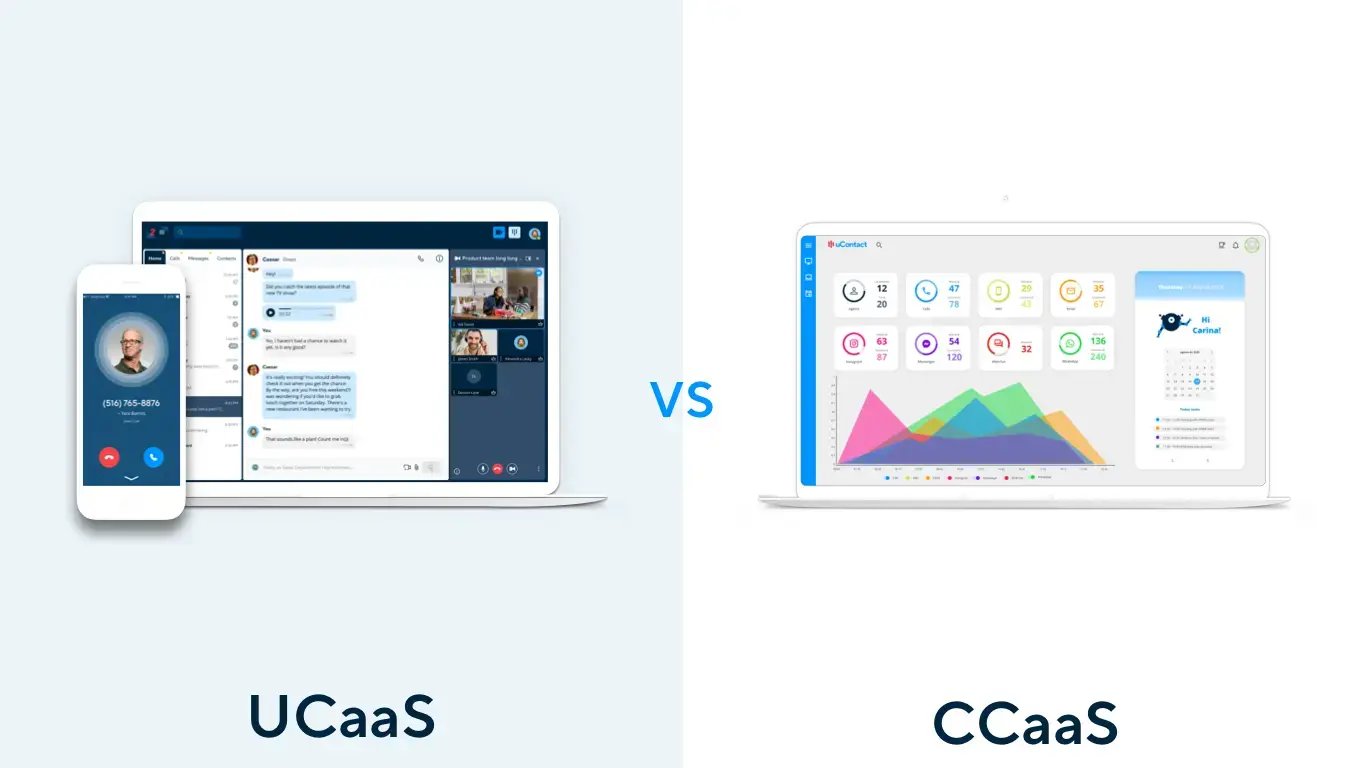
A common question that arises in discussions about communication solutions is the distinction between UCaaS (Unified Communications as a Service) and CCaaS (Contact Centre as a Service). While both technologies fall under the umbrella of cloud-based communication services, their primary focus areas differ significantly. UCaaS primarily revolves around providing a comprehensive platform for internal team communication and collaboration, encompassing features such as voice calling, video conferencing, instant messaging, and file sharing. On the other hand, CCaaS is tailored towards enhancing customer interactions through contact centre functionalities like call routing, interactive voice response (IVR), and agent performance analytics. Understanding this difference is crucial for businesses looking to optimise both internal and external communication processes effectively.
What is an example of UCaaS?
An example of a Unified Communications as a Service (UCaaS) provider is RingCentral. RingCentral offers a comprehensive UCaaS platform that includes features such as voice calling, video conferencing, instant messaging, file sharing, and integration capabilities. With its user-friendly interface and robust communication tools, RingCentral enables businesses to streamline their communication processes, enhance collaboration among teams, and improve overall productivity. RingCentral’s mobility support also allows users to access UCaaS features on-the-go, making it a versatile solution for modern businesses seeking efficient and scalable communication solutions.
Tags: file sharing, instant messaging, integration capabilities, mobility support, presence management, ucaas features, video conferencing, voice calling