
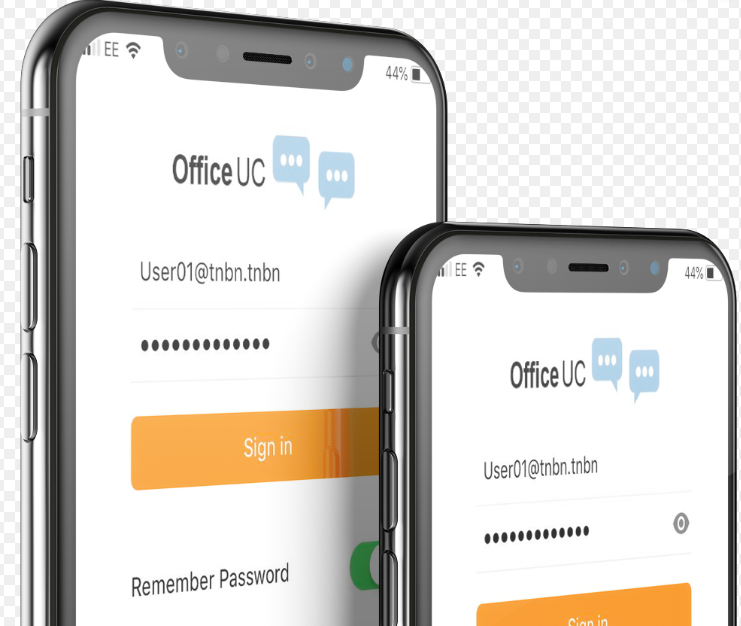
The Power of UC Phone Systems in Modern Communication
Unified Communications (UC) phone systems have revolutionised the way businesses communicate internally and externally. By integrating various communication tools into a single platform, UC phone systems offer a seamless and efficient way to stay connected in today’s fast-paced world.
One of the key benefits of UC phone systems is their ability to unify different modes of communication, such as voice calls, video conferencing, instant messaging, and email, into a single interface. This not only simplifies communication for users but also enhances collaboration and productivity within organisations.
With UC phone systems, employees can easily switch between different communication channels based on their needs, whether they are working remotely or in the office. This flexibility ensures that teams can stay connected and work together effectively regardless of their location.
Another advantage of UC phone systems is their scalability. As businesses grow and evolve, UC systems can easily adapt to accommodate changing communication needs. Whether you are a small start-up or a large enterprise, UC phone systems can be tailored to suit your requirements.
Security is also a top priority for UC phone system providers. With built-in encryption protocols and secure data storage options, businesses can rest assured that their sensitive information is protected from cyber threats.
In conclusion, the adoption of UC phone systems has become essential for businesses looking to streamline their communication processes and enhance collaboration among employees. By embracing this technology, organisations can improve efficiency, productivity, and ultimately achieve greater success in today’s competitive market.
Enhancing Business Communication: The Top 5 Advantages of a Unified Communications Phone System
- Streamlines communication by integrating various channels into a single platform.
- Enhances collaboration and productivity within organisations.
- Provides flexibility for employees to communicate effectively from any location.
- Scalable to accommodate the changing communication needs of businesses.
- Ensures security with built-in encryption protocols and secure data storage options.
Challenges of Implementing UC Phone Systems: Key Considerations and Drawbacks
- Initial setup costs can be high for implementing UC phone systems.
- Training may be required for employees to fully utilise all features of the UC system.
- Technical issues such as connectivity problems or software glitches may arise, impacting communication.
- Integration with existing systems and applications can sometimes be complex and time-consuming.
- Maintenance and updates of UC phone systems may require dedicated IT resources.
- Security vulnerabilities could pose a risk if not properly managed within the UC system.
- Compatibility issues with certain devices or operating systems may limit accessibility for all users.
Streamlines communication by integrating various channels into a single platform.
One of the key advantages of UC phone systems is their ability to streamline communication by integrating various channels into a single platform. By consolidating voice calls, video conferencing, instant messaging, and email into one interface, UC phone systems simplify the way individuals interact both internally and externally. This seamless integration not only saves time but also enhances collaboration among team members, leading to improved efficiency and productivity within organisations.
Enhances collaboration and productivity within organisations.
Unified Communications (UC) phone systems play a crucial role in enhancing collaboration and productivity within organisations. By providing a unified platform for various communication tools such as voice calls, video conferencing, instant messaging, and email, UC systems enable seamless interaction among team members. This streamlined communication process fosters better teamwork, idea sharing, and decision-making, ultimately leading to increased productivity. With the ability to easily switch between different modes of communication and work together regardless of physical location, UC phone systems empower employees to collaborate more effectively and achieve common goals efficiently.
Provides flexibility for employees to communicate effectively from any location.
One of the key advantages of UC phone systems is their ability to provide flexibility for employees to communicate effectively from any location. Whether working from home, on the go, or in the office, employees can easily access the UC platform to make voice calls, participate in video conferences, send instant messages, and collaborate with colleagues. This flexibility not only enhances productivity but also ensures that teams can stay connected and work seamlessly regardless of their physical location.
Scalable to accommodate the changing communication needs of businesses.
One significant advantage of UC phone systems is their scalability, allowing businesses to easily adjust and expand their communication capabilities as their needs evolve. Whether a company is experiencing rapid growth or downsizing, UC phone systems can be flexibly tailored to accommodate changing requirements. This scalability feature ensures that organisations can efficiently adapt to fluctuating communication demands without the need for costly infrastructure overhauls or disruptions to daily operations.
Ensures security with built-in encryption protocols and secure data storage options.
One of the standout advantages of UC phone systems is the robust security measures they offer. By incorporating built-in encryption protocols and secure data storage options, UC phone systems provide businesses with peace of mind knowing that their confidential information is safeguarded against potential cyber threats. This heightened level of security not only protects sensitive data but also instils trust in employees and clients, making UC phone systems a reliable choice for organisations prioritising data privacy and confidentiality.
Initial setup costs can be high for implementing UC phone systems.
One significant drawback of UC phone systems is the potentially high initial setup costs involved in implementing them. Businesses considering adopting UC technology may face substantial expenses for purchasing hardware, software, licensing fees, and professional installation services. These upfront costs can pose a financial challenge for some organisations, especially smaller businesses with limited budgets. It is essential for businesses to carefully evaluate the cost-benefit analysis of implementing UC phone systems to ensure that the investment aligns with their long-term communication goals and budget constraints.
Training may be required for employees to fully utilise all features of the UC system.
One potential drawback of UC phone systems is that training may be necessary for employees to fully utilise all the features of the system. The complexity and range of functionalities offered by UC systems can sometimes overwhelm users who are not familiar with such technology. Providing comprehensive training sessions can help employees feel more confident in using the system effectively, but it also requires time and resources to ensure that everyone is proficient in leveraging all the capabilities of the UC phone system.
Technical issues such as connectivity problems or software glitches may arise, impacting communication.
Technical issues such as connectivity problems or software glitches can be a significant drawback of UC phone systems. These issues have the potential to disrupt communication flow within an organisation, leading to delays in response times and hindering collaboration efforts. When users encounter connectivity issues or software glitches, it can result in frustration and decreased productivity as they struggle to troubleshoot and resolve the problem. Addressing and mitigating these technical challenges is crucial to ensure that UC phone systems continue to function effectively and support seamless communication processes.
Integration with existing systems and applications can sometimes be complex and time-consuming.
One notable drawback of UC phone systems is the potential complexity and time-consuming nature of integrating them with existing systems and applications. This process can require significant technical expertise and resources to ensure seamless compatibility and functionality. Businesses may face challenges in aligning their current infrastructure with the new UC system, leading to delays in implementation and potential disruptions to daily operations. Careful planning and coordination are essential to navigate this con effectively and minimise any negative impact on the organisation’s communication processes.
Maintenance and updates of UC phone systems may require dedicated IT resources.
Maintenance and updates of UC phone systems may pose a challenge for businesses as they often require dedicated IT resources to ensure smooth operation. Managing the complexities of maintaining a UC system, including troubleshooting issues, applying software updates, and ensuring system security, can be resource-intensive and time-consuming. This demand for specialised IT expertise may strain the existing resources of some organisations, leading to potential delays in resolving technical issues and keeping the system up-to-date. It is important for businesses considering implementing a UC phone system to factor in the ongoing maintenance requirements and allocate sufficient IT support to ensure optimal performance and reliability.
Security vulnerabilities could pose a risk if not properly managed within the UC system.
Security vulnerabilities within a UC phone system could potentially pose a significant risk if not properly managed. With the integration of various communication channels into a single platform, there is an increased potential for cyber threats and data breaches. Without robust security measures in place, sensitive information transmitted through the UC system could be exposed to malicious actors. It is crucial for businesses to proactively address and mitigate these security vulnerabilities to safeguard their data and protect the integrity of their communication infrastructure.
Compatibility issues with certain devices or operating systems may limit accessibility for all users.
One significant drawback of UC phone systems is the potential compatibility issues that may arise with certain devices or operating systems, leading to limitations in accessibility for all users. This can create challenges for individuals who rely on specific devices or software to communicate effectively within the organisation. As a result, some users may not be able to fully utilise the features and benefits of the UC phone system, ultimately hindering seamless communication and collaboration across the board. Addressing these compatibility issues is crucial to ensure inclusivity and maximise the efficiency of the UC phone system for all users.
Tags: any location, businesses, changing communication needs, communicate effectively, enhances collaboration, flexibility for employees, integrates various channels, productivity, scalable, single platform, streamlines communication, uc phone system