
The Power of VoIP Integration in Modern Communication
In today’s fast-paced digital world, businesses are constantly seeking ways to streamline their communication processes and enhance productivity. One technology that has revolutionised the way organisations communicate is Voice over Internet Protocol (VoIP). VoIP allows users to make voice calls over the internet, offering cost-effective and flexible communication solutions.
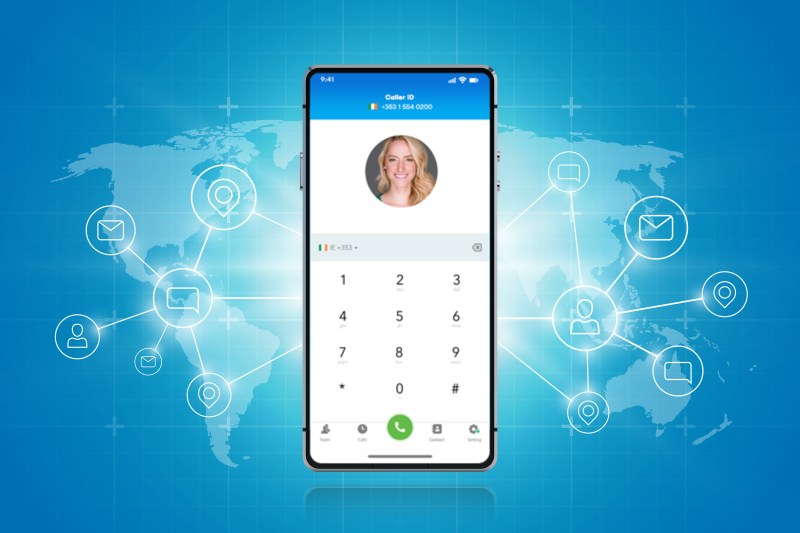
One key aspect that sets VoIP apart is its ability to integrate with various other systems and applications, making it a versatile tool for businesses of all sizes. VoIP integration allows companies to unify their communication channels, such as voice calls, video conferencing, instant messaging, and email, into a single platform.
By integrating VoIP with customer relationship management (CRM) systems, businesses can gain valuable insights into customer interactions and improve customer service. Calls can be automatically logged in the CRM system, enabling sales and support teams to access call histories and provide personalised service.
Furthermore, integrating VoIP with productivity tools like email and calendar applications enables employees to manage their communications more efficiently. With features such as click-to-call and voicemail transcription, users can save time and stay organised while communicating with clients and colleagues.
VoIP integration also plays a crucial role in enhancing collaboration within organisations. By integrating VoIP with video conferencing platforms and team messaging apps, remote teams can easily connect and collaborate in real-time, regardless of their physical location.
Overall, VoIP integration offers businesses a comprehensive communication solution that not only improves efficiency but also enhances customer service and collaboration. As technology continues to evolve, organisations that embrace VoIP integration will be better positioned to adapt to changing communication trends and stay ahead of the competition.
Understanding VoIP Integration: Key FAQs for Business Implementation
- What is VoIP integration and how does it work?
- What are the benefits of integrating VoIP into my business communication system?
- Can VoIP be integrated with existing CRM systems?
- How can VoIP integration improve customer service?
- Is it possible to integrate VoIP with video conferencing platforms?
- What security measures should be considered when integrating VoIP into a business network?
- Are there any challenges or limitations to consider when implementing VoIP integration?
What is VoIP integration and how does it work?
VoIP integration refers to the process of incorporating Voice over Internet Protocol technology into existing communication systems or applications to enhance functionality and streamline communication processes. Essentially, VoIP integration allows businesses to unify various communication channels, such as voice calls, video conferencing, instant messaging, and email, into a single platform. This integration works by converting analogue voice signals into digital data packets that can be transmitted over the internet. By seamlessly integrating VoIP with other systems like CRM software or productivity tools, organisations can benefit from improved customer service, enhanced collaboration among employees, and increased efficiency in managing communications.
What are the benefits of integrating VoIP into my business communication system?
Integrating Voice over Internet Protocol (VoIP) into your business communication system offers a multitude of benefits. Firstly, VoIP integration enables cost savings by leveraging the internet for voice calls, reducing traditional phone line expenses. Secondly, it enhances flexibility and scalability, allowing businesses to easily add or remove lines as needed without the constraints of physical infrastructure. Moreover, VoIP integration improves collaboration by unifying various communication channels into a single platform, promoting seamless interactions among employees and clients. Additionally, integrating VoIP with other business applications such as CRM systems enhances productivity and customer service by providing valuable insights and streamlining workflows. Overall, incorporating VoIP into your business communication system can significantly boost efficiency, reduce costs, and elevate the overall communication experience for your organisation.
Can VoIP be integrated with existing CRM systems?
Yes, VoIP can be seamlessly integrated with existing CRM systems, offering businesses a powerful tool to enhance customer interactions and streamline communication processes. By integrating VoIP with CRM systems, businesses can consolidate customer data and call logs in one centralised platform, providing valuable insights for sales and support teams. This integration enables automatic call logging, call recording, and click-to-call features directly from the CRM interface, improving efficiency and enabling personalised customer service. Overall, integrating VoIP with existing CRM systems is a strategic move that empowers businesses to leverage the benefits of both technologies for enhanced communication and customer relationship management.
How can VoIP integration improve customer service?
VoIP integration can significantly enhance customer service by providing businesses with valuable tools to streamline communication and deliver personalised experiences to customers. By integrating VoIP with customer relationship management (CRM) systems, businesses can easily access customer information during calls, enabling agents to provide more tailored and efficient service. Automatic call logging and call routing features ensure that customers are connected to the right department or agent promptly, reducing wait times and improving overall satisfaction. Additionally, VoIP integration allows for advanced call analytics and reporting, enabling businesses to monitor call performance metrics and identify areas for improvement in their customer service processes. Ultimately, VoIP integration empowers businesses to deliver seamless and responsive customer service that fosters long-lasting relationships with clients.
Is it possible to integrate VoIP with video conferencing platforms?
Yes, it is indeed possible to integrate VoIP with video conferencing platforms. By combining VoIP technology with video conferencing systems, businesses can create a seamless communication experience that allows users to make voice calls, video calls, and participate in virtual meetings all within a single platform. This integration not only enhances collaboration among team members but also improves overall communication efficiency by providing a unified solution for all types of interactions. Whether for internal meetings or client presentations, integrating VoIP with video conferencing platforms offers a versatile and powerful communication solution for modern businesses.
What security measures should be considered when integrating VoIP into a business network?
When integrating VoIP into a business network, it is crucial to consider various security measures to safeguard sensitive data and ensure the integrity of communications. Firstly, implementing strong encryption protocols for voice traffic is essential to protect against eavesdropping and data breaches. Additionally, setting up firewalls and intrusion detection systems can help monitor and block any suspicious network activity that may pose a security threat. Regularly updating software and firmware on VoIP equipment is also vital to patch any vulnerabilities and minimise the risk of cyber attacks. Furthermore, implementing strong authentication mechanisms, such as multi-factor authentication, can prevent unauthorised access to the VoIP system. By prioritising these security measures, businesses can enhance the overall security posture of their VoIP integration and mitigate potential risks effectively.
Are there any challenges or limitations to consider when implementing VoIP integration?
When considering implementing VoIP integration, it is important to be aware of potential challenges and limitations that may arise. One common challenge is ensuring network reliability and sufficient bandwidth to support VoIP traffic, as poor network conditions can lead to call quality issues. Additionally, compatibility issues with existing hardware or software systems may arise during the integration process, requiring careful planning and testing to ensure seamless operation. Security concerns, such as protecting sensitive data transmitted over VoIP networks, should also be addressed to safeguard against potential threats. By proactively addressing these challenges and limitations, businesses can successfully implement VoIP integration and maximise the benefits of this powerful communication technology.
Tags: applications, businesses, collaboration, communication channels, communication processes, customer relationship management crm, customer service, email, insights, instant messaging, organisations, productivity, productivity tools, real-time connection, remote teams, streamline, systems, technology, versatile tool, video conferencing, voice over internet protocol, voip integration