
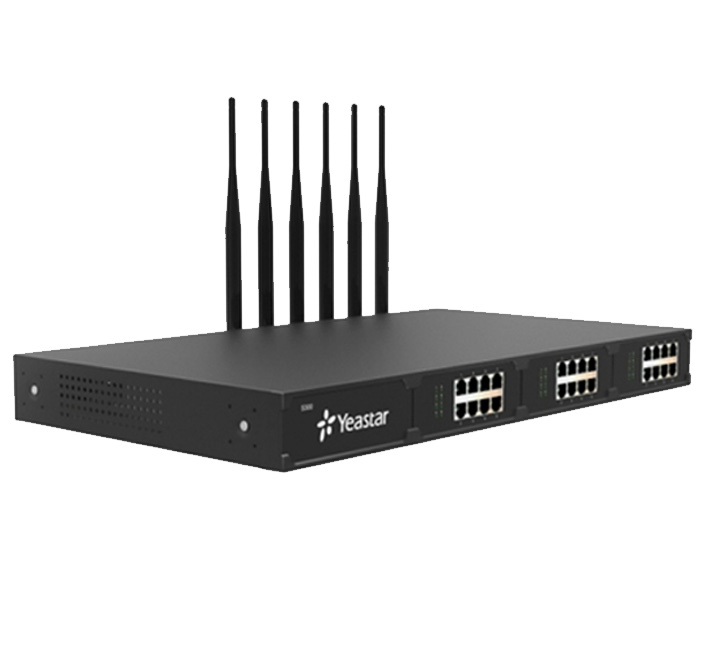
The Benefits of VoIP for SMEs
Small and medium-sized enterprises (SMEs) are always looking for cost-effective ways to improve their communication systems. One solution that has gained popularity in recent years is Voice over Internet Protocol (VoIP). VoIP technology allows businesses to make calls over the internet rather than traditional phone lines, offering a range of benefits for SMEs.
Cost Savings
One of the primary advantages of VoIP for SMEs is cost savings. VoIP systems typically have lower setup and maintenance costs compared to traditional phone systems. Calls made using VoIP are often cheaper, especially for international calls, making it an attractive option for businesses looking to reduce their communication expenses.
Flexibility and Scalability
VoIP systems offer greater flexibility and scalability compared to traditional phone systems. SMEs can easily add or remove phone lines as needed without the hassle of installing new hardware. This scalability allows businesses to adapt their communication systems to meet changing needs, whether they are expanding their operations or downsizing.
Advanced Features
VoIP systems come with a range of advanced features that can enhance productivity and efficiency within SMEs. Features such as call forwarding, voicemail-to-email transcription, and conference calling make it easier for employees to communicate effectively with colleagues and clients. These features can help streamline business operations and improve customer service.
Mobility
With VoIP technology, employees can make and receive calls from anywhere with an internet connection. This mobility is particularly beneficial for SMEs with remote workers or employees who frequently travel for business. By enabling employees to stay connected regardless of their location, VoIP can help increase collaboration and productivity within the organisation.
Reliability
Despite being internet-based, VoIP systems are known for their reliability and call quality. With advancements in technology, VoIP services now offer crystal-clear voice quality and minimal downtime. This reliability ensures that SMEs can maintain seamless communication with clients and partners without interruptions.
Conclusion
In conclusion, VoIP technology offers numerous benefits for small and medium-sized enterprises looking to enhance their communication systems. From cost savings to advanced features and increased mobility, VoIP provides a flexible and efficient solution that can help SMEs streamline their operations and improve overall productivity.
Understanding VoIP for SMEs: Costs, Functionality, and Suitability
- How much does VoIP cost for a small business?
- How does VoIP work for small business?
- What does VoIP stand for?
- What is the full form of SME in VoIP?
- Is VoIP suitable for small businesses?
- What is SME in VoIP?
- What is VoIP and how does it work?
How much does VoIP cost for a small business?
When considering the cost of VoIP for a small business, it is important to understand that pricing can vary depending on several factors such as the number of users, desired features, and service provider. Typically, VoIP systems for SMEs offer flexible pricing plans that cater to different budgets and requirements. Basic VoIP services may start at a low monthly rate per user, while more advanced features or international calling options could incur additional charges. Some providers also offer pay-as-you-go options or bundled packages to suit the needs of small businesses. Overall, the cost of VoIP for a small business can be tailored to fit within budget constraints while still providing an efficient and cost-effective communication solution.
How does VoIP work for small business?
VoIP, or Voice over Internet Protocol, works for small businesses by enabling them to make and receive phone calls over the internet rather than traditional phone lines. This technology converts voice signals into digital data packets that are transmitted over the internet to reach the recipient. VoIP systems for small businesses typically involve using IP phones, softphones (software-based phones), or adapters to connect existing analogue phones to the internet. This setup allows small businesses to enjoy cost savings, flexibility, advanced features, and reliable communication services that can enhance their operations and improve overall efficiency.
What does VoIP stand for?
VoIP stands for Voice over Internet Protocol. It is a technology that allows users to make voice calls over the internet rather than using traditional phone lines. VoIP converts voice signals into digital data packets that are transmitted over the internet, enabling cost-effective and efficient communication for businesses, including small and medium-sized enterprises (SMEs). By leveraging VoIP technology, SMEs can benefit from features such as cost savings, flexibility, scalability, advanced communication capabilities, and improved mobility for their employees.
What is the full form of SME in VoIP?
In the context of VoIP, SME stands for Small and Medium-sized Enterprises. Small and medium-sized enterprises refer to businesses that fall within a certain size range in terms of annual revenue, number of employees, or other criteria. When discussing VoIP solutions for SMEs, it typically refers to communication systems tailored to meet the specific needs and requirements of small and medium-sized businesses, offering cost-effective, flexible, and scalable communication solutions that can help these enterprises enhance their operations and improve efficiency.
Is VoIP suitable for small businesses?
The question of whether VoIP is suitable for small businesses is a common one among SME owners. The answer is a resounding yes. VoIP technology offers numerous benefits that can significantly enhance communication systems for small businesses. From cost savings and flexibility to advanced features and scalability, VoIP provides a cost-effective and efficient solution that can help small businesses streamline their operations, improve productivity, and stay connected with clients and partners. With its reliability, mobility, and ease of use, VoIP is a valuable tool that can empower small businesses to compete in today’s fast-paced business environment.
What is SME in VoIP?
In the context of VoIP, SME stands for Small and Medium-sized Enterprise. SMEs are businesses that fall within a specific size range, typically with a limited number of employees and revenue. When referring to SME in VoIP, it indicates the application of Voice over Internet Protocol technology within small and medium-sized enterprises. VoIP systems tailored for SMEs offer cost-effective communication solutions that leverage internet connectivity to facilitate voice calls, messaging, and other telecommunication services. By utilising VoIP technology, SMEs can benefit from enhanced communication capabilities, scalability, flexibility, and cost savings compared to traditional phone systems.
What is VoIP and how does it work?
VoIP, which stands for Voice over Internet Protocol, is a technology that allows users to make voice calls over the internet rather than using traditional phone lines. In simple terms, VoIP converts voice signals into digital data packets that are transmitted over the internet to the recipient. This process enables users to communicate using their internet connection, bypassing the need for a dedicated phone line. VoIP works by encoding and compressing voice data into packets, transmitting them over IP networks, and then decoding them back into audible signals at the receiving end. This efficient and cost-effective communication method has revolutionised the way businesses, including SMEs, handle their telephony needs.
Tags: advanced features, bundled packages, cost savings, features, flexibility, international calling options, mobility, monthly rate, pay-as-you-go options, pricing plans, reliability, scalability, service provider, small business, sme voip, users, voip