
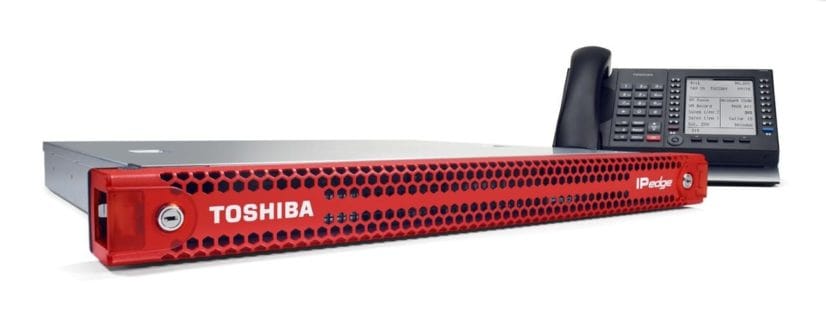
The Power of PBX VoIP Phone Systems
In the world of modern communication, PBX VoIP phone systems have emerged as a powerful tool for businesses looking to streamline their operations and enhance connectivity. PBX, which stands for Private Branch Exchange, allows organisations to manage their internal and external calls efficiently through a single system.
VoIP, or Voice over Internet Protocol, leverages the power of the internet to transmit voice data, enabling businesses to make calls over an internet connection rather than traditional phone lines. When combined, PBX VoIP phone systems offer a range of benefits that can revolutionise the way businesses communicate.
Benefits of PBX VoIP Phone Systems
- Cost-Effective: By using internet-based calling, businesses can significantly reduce their phone bills compared to traditional landline services.
- Scalability: PBX VoIP systems can easily scale up or down based on business needs, making them ideal for growing organisations.
- Flexibility: Employees can make and receive calls from anywhere with an internet connection, promoting remote work and flexibility.
- Advanced Features: From call forwarding and voicemail to conference calling and auto-attendant services, PBX VoIP systems offer a wide range of advanced features to enhance communication.
- Integration: These systems can integrate with other business applications such as CRM software, improving efficiency and productivity.
Choosing the Right PBX VoIP Phone System
When selecting a PBX VoIP phone system for your business, it is essential to consider factors such as your communication needs, budget constraints, and future growth plans. Working with a reputable provider who understands your requirements can help you implement a system that aligns with your goals and objectives.
In conclusion, PBX VoIP phone systems represent the future of business communication. By harnessing the power of technology and the internet, organisations can create seamless communication networks that drive efficiency and productivity. Embrace the power of PBX VoIP today and unlock new possibilities for your business!
Understanding PBX VoIP Phone Systems: Key Questions Answered
- What is a PBX VoIP phone system?
- How does a PBX VoIP phone system differ from traditional landline systems?
- What are the key benefits of implementing a PBX VoIP phone system?
- Is it difficult to set up and manage a PBX VoIP phone system?
- What factors should businesses consider when choosing a PBX VoIP phone system provider?
- Can a PBX VoIP phone system integrate with existing business applications?
What is a PBX VoIP phone system?
A PBX VoIP phone system, short for Private Branch Exchange Voice over Internet Protocol, is a sophisticated communication solution that combines the functionalities of a traditional PBX system with the flexibility and cost-effectiveness of VoIP technology. Essentially, it serves as a central hub for managing both internal and external calls within an organisation by leveraging internet connectivity to transmit voice data. This innovative system enables businesses to streamline their communication processes, reduce costs associated with traditional phone services, and enhance overall connectivity through advanced features such as call forwarding, voicemail, conference calling, and more.
How does a PBX VoIP phone system differ from traditional landline systems?
A PBX VoIP phone system differs from traditional landline systems in several key ways. While traditional landline systems rely on physical phone lines to make and receive calls, PBX VoIP systems utilise the internet to transmit voice data. This shift to Voice over Internet Protocol (VoIP) technology allows businesses to make calls over an internet connection, resulting in cost savings and increased flexibility. Additionally, PBX VoIP systems offer a range of advanced features such as call forwarding, voicemail-to-email transcription, and integration with other business applications, enhancing communication efficiency and productivity. The scalability of PBX VoIP systems also sets them apart from traditional landlines, allowing businesses to easily expand or modify their phone system as needed without the constraints of physical infrastructure.
What are the key benefits of implementing a PBX VoIP phone system?
Implementing a PBX VoIP phone system offers a range of key benefits for businesses. One of the primary advantages is cost-effectiveness, as VoIP technology allows for significant savings on phone bills compared to traditional landline services. Additionally, PBX VoIP systems provide scalability, enabling businesses to easily adjust their communication infrastructure as they grow. The flexibility of making and receiving calls from any location with an internet connection promotes remote work and enhances employee productivity. Moreover, these systems come equipped with advanced features such as call forwarding, voicemail, conference calling, and integration capabilities with other business applications, all contributing to streamlined communication processes and improved efficiency.
Is it difficult to set up and manage a PBX VoIP phone system?
Setting up and managing a PBX VoIP phone system may seem daunting to some, but with the right guidance and support, it can be a straightforward process. Many providers offer user-friendly interfaces and step-by-step instructions to help businesses set up their systems efficiently. Additionally, ongoing management of a PBX VoIP system typically involves basic tasks such as adding or removing users, configuring call routing rules, and monitoring call quality – all of which can be easily handled with the proper training or assistance from the provider. With the right resources and support in place, businesses can effectively set up and manage a PBX VoIP phone system to enhance their communication capabilities.
What factors should businesses consider when choosing a PBX VoIP phone system provider?
When selecting a PBX VoIP phone system provider, businesses should consider several key factors to ensure they choose the right partner for their communication needs. Factors to evaluate include the provider’s reputation and experience in delivering PBX VoIP solutions, the range of features and services offered, scalability options to accommodate future growth, customer support quality and responsiveness, pricing structure and flexibility, as well as compatibility with existing systems or software. By carefully assessing these factors, businesses can make an informed decision that aligns with their requirements and maximises the benefits of a PBX VoIP phone system.
Can a PBX VoIP phone system integrate with existing business applications?
Yes, a PBX VoIP phone system can integrate seamlessly with existing business applications. One of the key advantages of PBX VoIP systems is their ability to work in tandem with other software and tools used by businesses. By integrating with existing applications such as CRM systems, email clients, and collaboration platforms, a PBX VoIP system can enhance communication efficiency and streamline workflows. This integration allows for a more cohesive and interconnected business environment, where employees can access all necessary tools from a single interface, leading to improved productivity and customer service.
Tags: advanced features, budget constraints, businesses, communication needs, crm software, enhance connectivity, flexibility, future growth plans, integration, internet-based calling, modern communication, private branch exchange, reduce phone bills, remote work, scalability, streamline operations, voip