
The Power of IP Unified Communications
In today’s fast-paced business environment, effective communication is key to success. One technology that has revolutionised the way organisations communicate is IP Unified Communications. This integrated solution combines various communication tools, such as voice, video, messaging, and collaboration applications, into a single platform.
IP Unified Communications leverages the power of the internet protocol (IP) to enable seamless and real-time communication across different devices and locations. Whether you are in the office, working remotely, or on the go, this technology ensures that you can stay connected with colleagues and clients at all times.
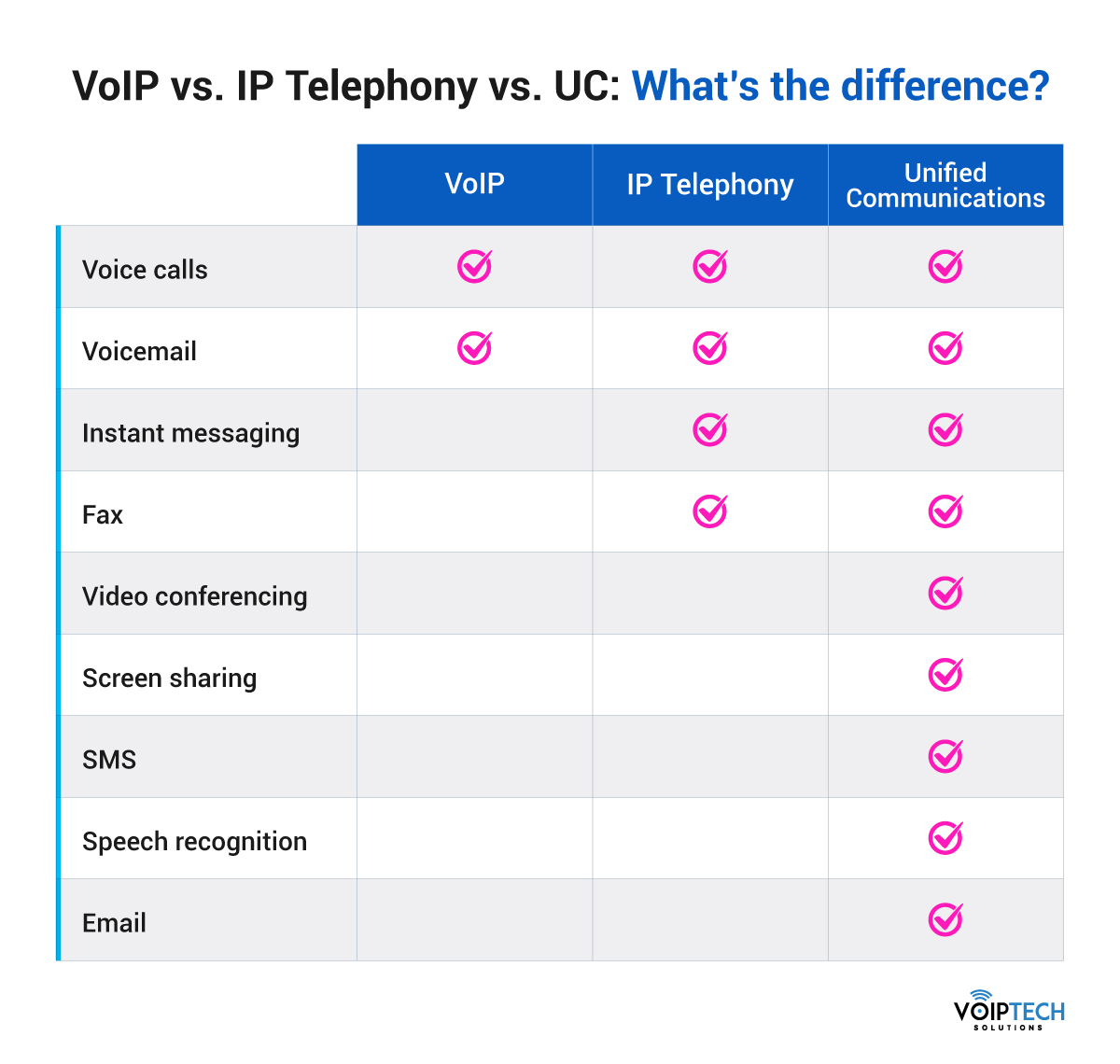
One of the key benefits of IP Unified Communications is its versatility. With features like voice over IP (VoIP), video conferencing, instant messaging, and file sharing capabilities, organisations can enhance productivity and efficiency by enabling easier collaboration among team members.
Furthermore, IP Unified Communications offers cost savings by consolidating multiple communication tools into a single platform. By eliminating the need for separate phone systems, conferencing services, and messaging applications, businesses can reduce their operational expenses while improving communication effectiveness.
Security is another crucial aspect of IP Unified Communications. With advanced encryption protocols and secure data transmission methods, organisations can ensure that their sensitive information remains protected from cyber threats and unauthorised access.
As businesses continue to embrace digital transformation, adopting IP Unified Communications has become essential for staying competitive in today’s market. By leveraging this technology to streamline communication processes and enhance collaboration capabilities, organisations can drive innovation and achieve greater success in a rapidly evolving business landscape.
Essential FAQs on IP Unified Communications for Modern Businesses
- What is IP Unified Communications?
- How does IP Unified Communications benefit businesses?
- What are the key features of IP Unified Communications?
- Is IP Unified Communications secure?
- Can IP Unified Communications integrate with existing systems?
- How does IP Unified Communications support remote work?
- What cost savings can be achieved with IP Unified Communications?
- Are there different deployment options for IP Unified Communications?
- How can organisations ensure a smooth transition to IP Unified Communications?
What is IP Unified Communications?
IP Unified Communications is a comprehensive solution that integrates various communication tools, such as voice, video, messaging, and collaboration applications, into a single platform. Leveraging the power of internet protocol (IP), this technology enables seamless and real-time communication across different devices and locations. By consolidating multiple communication channels into one system, IP Unified Communications enhances productivity, efficiency, and collaboration within organisations. This innovative approach to communication not only streamlines processes but also provides cost savings by eliminating the need for separate systems. In essence, IP Unified Communications revolutionises the way businesses communicate by offering a versatile and secure platform that facilitates effective interactions among team members and clients.
How does IP Unified Communications benefit businesses?
IP Unified Communications offers a multitude of benefits to businesses, making it a valuable investment in today’s digital landscape. By integrating various communication tools into a single platform, IP Unified Communications enhances collaboration and productivity among team members. This technology enables seamless communication across different devices and locations, allowing employees to stay connected in real-time regardless of their physical location. Additionally, IP Unified Communications helps businesses reduce operational costs by consolidating multiple communication systems into one, eliminating the need for separate phone systems and conferencing services. With enhanced security features and improved efficiency, businesses can streamline their communication processes and drive innovation through the adoption of IP Unified Communications.
What are the key features of IP Unified Communications?
When exploring the key features of IP Unified Communications, it becomes evident that this technology offers a comprehensive suite of tools to enhance communication within organisations. Some of the standout features include voice over IP (VoIP) for high-quality voice calls over the internet, video conferencing capabilities for face-to-face interactions regardless of location, instant messaging for quick and efficient communication, and integrated collaboration tools for seamless teamwork. Additionally, IP Unified Communications often includes file sharing functionalities, mobile integration for on-the-go access, and robust security measures to safeguard sensitive data. By combining these features into a unified platform, businesses can boost productivity, streamline communication processes, and foster greater collaboration among team members.
Is IP Unified Communications secure?
When it comes to IP Unified Communications, a common concern that arises is regarding its security measures. Organisations often wonder, “Is IP Unified Communications secure?” The answer lies in the advanced security protocols and encryption methods implemented within IP Unified Communications systems. By leveraging secure data transmission techniques and robust encryption standards, such as Transport Layer Security (TLS) and Secure Real-time Transport Protocol (SRTP), IP Unified Communications ensures that sensitive information remains protected from potential cyber threats and unauthorised access. With a strong focus on safeguarding data integrity and confidentiality, organisations can trust in the security features of IP Unified Communications to maintain the privacy and security of their communication processes.
Can IP Unified Communications integrate with existing systems?
A commonly asked question regarding IP Unified Communications is whether it can integrate with existing systems. The answer is yes, IP Unified Communications is designed to be flexible and compatible with a wide range of existing communication infrastructure. Whether you are using traditional phone systems, messaging platforms, or collaboration tools, IP Unified Communications can seamlessly integrate with these systems to provide a unified and cohesive communication experience. This interoperability ensures that businesses can leverage the benefits of IP Unified Communications without the need for a complete overhaul of their current setup, making the transition smooth and efficient.
How does IP Unified Communications support remote work?
IP Unified Communications plays a pivotal role in supporting remote work by providing seamless connectivity and collaboration tools for employees working outside the traditional office environment. Through features such as voice over IP (VoIP), video conferencing, instant messaging, and file sharing capabilities, remote workers can stay connected with their colleagues and clients in real-time, regardless of their location. This technology enables remote employees to participate in virtual meetings, share documents securely, and communicate efficiently, fostering teamwork and productivity even when team members are geographically dispersed. By leveraging IP Unified Communications, organisations can empower their remote workforce with the tools they need to work effectively from anywhere while maintaining a high level of communication and collaboration.
What cost savings can be achieved with IP Unified Communications?
Businesses can achieve significant cost savings by implementing IP Unified Communications. By consolidating various communication tools into a single platform, organisations can reduce operational expenses associated with maintaining separate phone systems, conferencing services, and messaging applications. The elimination of redundant infrastructure not only streamlines communication processes but also leads to lower maintenance costs and decreased reliance on third-party services. Additionally, IP Unified Communications enables businesses to leverage cost-effective communication channels such as VoIP and video conferencing, reducing the need for traditional phone lines and expensive hardware. Overall, the efficiency and scalability of IP Unified Communications contribute to long-term cost savings for organisations seeking to maximise their communication capabilities while minimising expenditure.
Are there different deployment options for IP Unified Communications?
When it comes to IP Unified Communications, there are various deployment options available to suit the diverse needs of organisations. Common deployment models include on-premises, cloud-based, and hybrid solutions. On-premises deployment involves setting up and managing the communication infrastructure within the organisation’s premises, offering full control over security and customisation. Cloud-based deployment, on the other hand, allows businesses to access Unified Communications services hosted in the cloud, offering scalability and flexibility without the need for extensive hardware investments. Hybrid solutions combine both on-premises and cloud components, providing a tailored approach that leverages the benefits of both deployment models. Each option offers unique advantages, allowing businesses to choose the deployment method that best aligns with their requirements and objectives in implementing IP Unified Communications.
How can organisations ensure a smooth transition to IP Unified Communications?
Organisations can ensure a smooth transition to IP Unified Communications by following a strategic and well-planned approach. Firstly, conducting a thorough assessment of current communication systems and infrastructure is essential to identify existing gaps and determine the specific needs of the organisation. Next, creating a detailed migration plan that outlines the timeline, budget, and resources required for the transition is crucial for successful implementation. Training employees on how to use the new IP Unified Communications tools effectively and providing ongoing support during and after the transition will help in minimising disruptions and ensuring a seamless adoption process. Additionally, working closely with experienced service providers or consultants who specialise in IP Unified Communications can provide valuable guidance and expertise to navigate through the transition smoothly. By carefully planning, training staff, and seeking professional assistance where needed, organisations can successfully transition to IP Unified Communications with minimal challenges.
Tags: collaboration applications, collaboration effectiveness, communication, cost savings, data transmission methods, devices, efficiency, encryption protocols, file sharing capabilities, instant messaging, integrated solution, internet protocol, ip unified communications, locations, messaging, productivity, real-time communication, security protocols, technology, versatility, video, video conferencing, voice, voip