
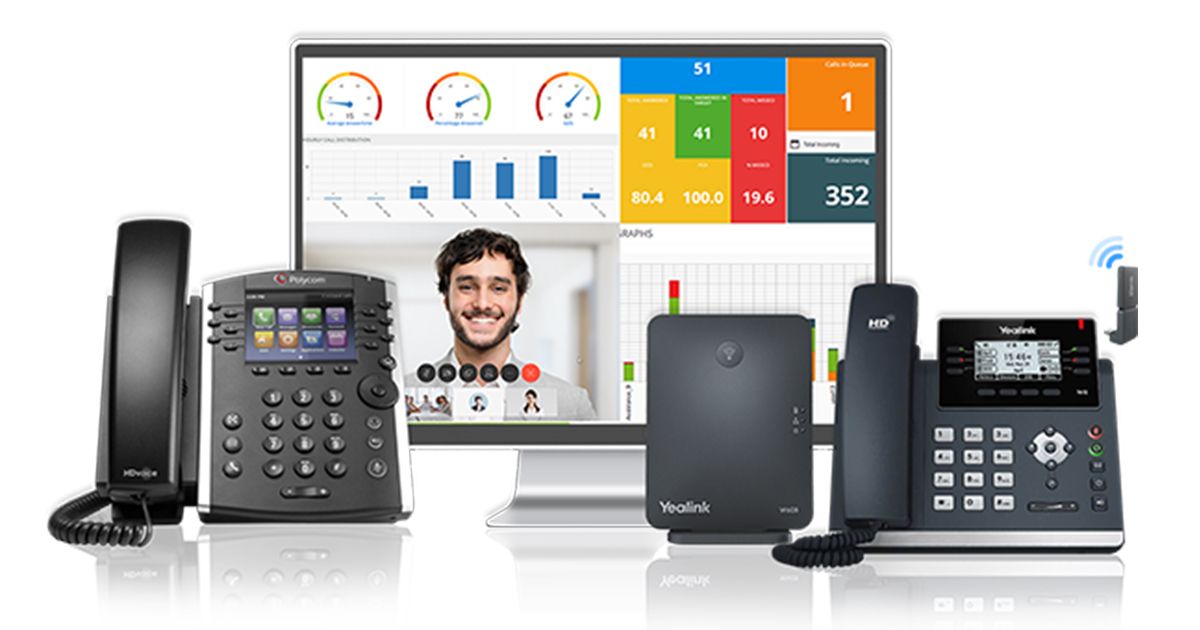
The Advantages of Digital Phone Systems for Business
In today’s fast-paced business environment, communication is key to success. Digital phone systems have revolutionised the way businesses communicate, offering a range of benefits that traditional landline systems cannot match.
Cost-Effective Solution
One of the primary advantages of digital phone systems for business is their cost-effectiveness. With features such as VoIP (Voice over Internet Protocol), businesses can make calls over the internet, reducing long-distance call charges and eliminating the need for multiple phone lines.
Scalability and Flexibility
Digital phone systems are highly scalable, allowing businesses to easily add or remove lines as needed. This flexibility is especially beneficial for growing businesses that need to adapt their communication infrastructure to meet changing demands.
Advanced Features
Modern digital phone systems offer a wide range of advanced features that enhance productivity and efficiency. Features such as call forwarding, voicemail-to-email transcription, and video conferencing capabilities enable seamless communication both within the organisation and with external partners.
Remote Working Support
In an increasingly remote working world, digital phone systems provide essential support for employees working from different locations. With mobile apps and softphone capabilities, employees can stay connected to the office network regardless of their physical location.
Improved Customer Service
Enhanced communication tools offered by digital phone systems enable businesses to provide better customer service. Features like automated attendants, call routing based on caller ID, and call recording help streamline customer interactions and improve overall satisfaction.
Conclusion
Investing in a digital phone system is a strategic move for any business looking to improve communication efficiency, reduce costs, and enhance productivity. With a wide range of features tailored to modern business needs, digital phone systems are a valuable asset in today’s competitive marketplace.
Essential Tips for Optimising Your Business’s Digital Phone System
- Choose a phone system that offers features like call forwarding, voicemail to email, and auto-attendant for better communication.
- Consider the scalability of the phone system to ensure it can grow with your business needs.
- Ensure the system is user-friendly and provides adequate training for employees to maximize its benefits.
- Regularly update and maintain the phone system to avoid technical issues and security vulnerabilities.
- Integrate the phone system with other business applications such as CRM software for improved efficiency.
- Monitor call analytics to gain insights into call volumes, peak hours, and customer interactions.
Choose a phone system that offers features like call forwarding, voicemail to email, and auto-attendant for better communication.
When selecting a digital phone system for your business, prioritise options that include essential features such as call forwarding, voicemail-to-email transcription, and auto-attendant capabilities. These features are instrumental in enhancing communication efficiency within your organisation. Call forwarding ensures that important calls are never missed, voicemail-to-email simplifies message retrieval and management, while auto-attendant streamlines call routing for a seamless customer experience. By choosing a phone system equipped with these functionalities, you can significantly improve communication processes and boost overall productivity.
Consider the scalability of the phone system to ensure it can grow with your business needs.
When implementing a digital phone system for your business, it is crucial to consider the scalability of the system to ensure it can evolve alongside your business needs. A scalable phone system allows for easy expansion or reduction of lines and features as your business grows or changes. By planning for scalability from the outset, you can avoid disruptions and costly upgrades in the future, ensuring that your communication infrastructure remains efficient and effective in meeting the evolving demands of your business operations.
Ensure the system is user-friendly and provides adequate training for employees to maximize its benefits.
To fully leverage the advantages of digital phone systems for business, it is crucial to ensure that the system is user-friendly and that employees receive adequate training. A user-friendly interface and intuitive features not only enhance employee productivity but also encourage widespread adoption of the system. Providing comprehensive training sessions for employees on how to effectively utilise the system’s capabilities can maximise its benefits and streamline communication processes within the organisation. By prioritising usability and investing in employee training, businesses can unlock the full potential of their digital phone systems and drive greater efficiency in their operations.
Regularly update and maintain the phone system to avoid technical issues and security vulnerabilities.
To ensure smooth operation and secure communication within a business, it is crucial to regularly update and maintain the digital phone system. By staying on top of software updates and system maintenance, businesses can avoid technical issues and security vulnerabilities that could disrupt operations or compromise sensitive information. Proactive management of the phone system helps to maximise its efficiency and reliability, providing a solid foundation for effective communication practices in the business environment.
Integrate the phone system with other business applications such as CRM software for improved efficiency.
Integrating your digital phone system with other business applications, such as CRM software, can significantly enhance efficiency and streamline operations. By linking these systems together, businesses can access customer information seamlessly during calls, track communication history more effectively, and automate tasks like call logging and follow-ups. This integration not only saves time but also ensures a more personalised and efficient interaction with customers, ultimately leading to improved customer satisfaction and stronger relationships.
Monitor call analytics to gain insights into call volumes, peak hours, and customer interactions.
Monitoring call analytics is a crucial tip for businesses utilising digital phone systems. By tracking metrics such as call volumes, peak hours, and customer interactions, companies can gain valuable insights into their communication patterns. Understanding these data points allows businesses to make informed decisions to improve efficiency, allocate resources effectively during peak hours, and enhance customer service based on interaction analysis. By leveraging call analytics, businesses can optimise their communication strategies and ultimately drive better outcomes for both their operations and customer satisfaction levels.
Tags: advanced features, advantages, automated attendants, business, call forwarding, call recording, call routing based on caller id, communication, cost-effective solution, digital phone systems, digital phone systems for business, flexibility, improved customer service, mobile apps, remote working support, scalability, softphone capabilities, video conferencing capabilities, voicemail-to-email transcription, voip