
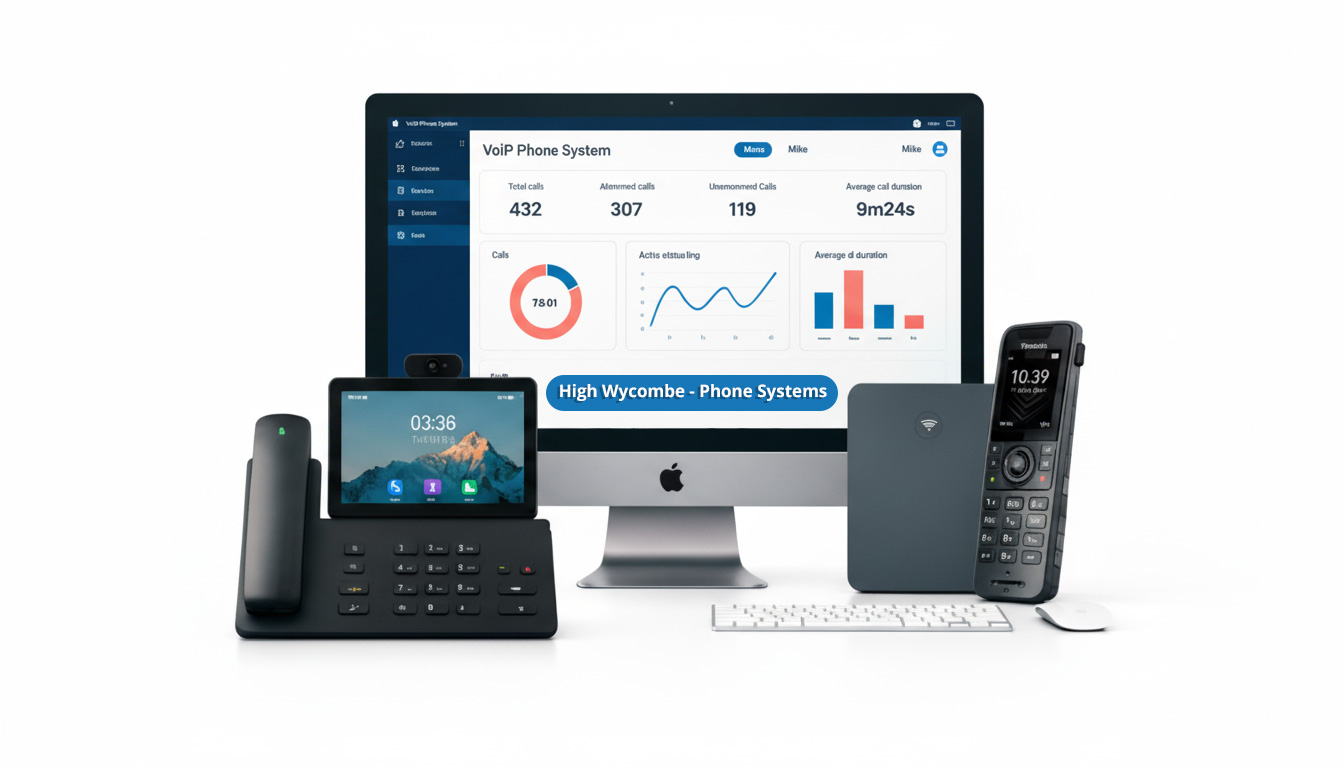
The Importance of Business Telecom Systems in Today’s Digital Age
In the fast-paced world of business, effective communication is key to success. This is where business telecom systems play a crucial role. These systems are the backbone of modern-day communication within organisations, enabling seamless connectivity and collaboration among employees, clients, and partners.
Business telecom systems encompass a range of technologies and services designed to facilitate voice and data communication. From traditional landline phones to advanced VoIP (Voice over Internet Protocol) solutions, businesses have a plethora of options to choose from based on their specific needs and budget.
One of the main advantages of modern business telecom systems is their versatility. They can support various communication channels, including voice calls, video conferencing, instant messaging, and email integration. This flexibility allows employees to communicate effectively regardless of their location or device, fostering productivity and efficiency.
Moreover, business telecom systems are essential for enhancing customer service. Features such as call routing, auto-attendant menus, and call recording enable businesses to provide a seamless experience for customers when contacting them. This not only improves customer satisfaction but also helps in building long-lasting relationships.
Security is another critical aspect of business telecom systems. With the increasing threat of cyber attacks and data breaches, it is imperative for businesses to invest in secure communication solutions that protect sensitive information. Many modern telecom systems offer encryption protocols and other security measures to safeguard data transmission.
As technology continues to evolve, so do business telecom systems. The integration of artificial intelligence (AI) and machine learning capabilities into these systems is revolutionising the way businesses communicate. AI-powered chatbots can handle customer queries round-the-clock, while predictive analytics can provide valuable insights into communication patterns and trends.
In conclusion, business telecom systems are indispensable tools for any modern organisation looking to stay competitive in today’s digital landscape. By investing in robust and efficient communication solutions, businesses can streamline operations, improve collaboration, enhance customer service, and ultimately drive growth and success.
Top 5 Benefits of Business Telecom Systems: Boosting Communication, Productivity, and Cost Efficiency
Challenges of Business Telecom Systems: Costs, Complexity, and Compatibility Concerns
- High initial setup costs can be a barrier for small businesses.
- Complexity in choosing the right telecom system that meets specific business needs.
- Maintenance and upgrades may require additional resources and expertise.
- Potential downtime or technical issues that can disrupt communication flow.
- Security vulnerabilities pose a risk of data breaches and privacy concerns.
- Integration challenges with existing IT infrastructure can lead to compatibility issues.
Enhanced communication
One of the key benefits of business telecom systems is their ability to enhance communication across multiple channels. By incorporating features like voice calls, video conferencing, and instant messaging, these systems enable organisations to facilitate seamless and efficient communication among employees, clients, and partners. This versatility not only improves collaboration and productivity within the workplace but also allows for quick and effective interactions regardless of physical location or time constraints. Businesses can leverage these diverse communication channels to stay connected in real-time, fostering stronger relationships and driving operational efficiency.
Improved productivity
By providing employees with efficient communication tools, business telecom systems help streamline workflow and boost productivity. With features such as instant messaging, video conferencing, and seamless call routing, employees can communicate and collaborate more effectively, leading to quicker decision-making and smoother project execution. By eliminating communication barriers and enabling swift information exchange, business telecom systems empower teams to work cohesively towards common goals, ultimately driving increased efficiency and productivity within the organisation.
Cost-effective
Many business telecom systems offer cost-saving features, such as VoIP technology, that significantly reduce long-distance call charges and maintenance costs. By leveraging these cost-effective solutions, businesses can enjoy substantial savings on their communication expenses while still maintaining high-quality connectivity. This financial advantage allows organisations to allocate resources more efficiently towards other areas of their operations, ultimately contributing to improved profitability and sustainability in the long run.
Scalability
Scalability is a key advantage of business telecom systems, allowing organisations to adapt to growth or fluctuations in demand with ease. These systems can effortlessly expand or contract to meet the evolving communication requirements of a business without the need for significant infrastructure modifications. This flexibility enables businesses to scale their operations efficiently, ensuring that their communication capabilities remain aligned with their changing needs and objectives.
Enhanced customer service
Enhanced customer service is a significant benefit of business telecom systems. Features such as call routing and auto-attendant menus empower businesses to deliver superior customer service experiences. Call routing ensures that calls are directed to the appropriate department or individual, reducing wait times and improving efficiency. Auto-attendant menus offer callers a streamlined experience by guiding them to the right information or person quickly. These features not only enhance customer satisfaction but also showcase professionalism and reliability, ultimately strengthening customer relationships and loyalty.
High initial setup costs can be a barrier for small businesses.
For small businesses, one significant drawback of implementing business telecom systems is the high initial setup costs involved. The expense of acquiring and setting up the necessary hardware, software, and infrastructure can be a considerable financial burden for small enterprises with limited budgets. This cost barrier may deter smaller businesses from investing in advanced communication technologies that could otherwise enhance their operations and competitiveness in the market. As a result, these businesses may have to make do with less sophisticated communication solutions, potentially limiting their growth and efficiency in the long run.
Complexity in choosing the right telecom system that meets specific business needs.
One significant drawback of business telecom systems is the complexity involved in selecting the right system that aligns with specific business requirements. With a multitude of options available in the market, ranging from traditional landline systems to advanced cloud-based VoIP solutions, businesses often face challenges in navigating through the array of choices. Factors such as scalability, integration capabilities, cost-effectiveness, and technical support must be carefully considered to ensure that the chosen telecom system can effectively meet the unique communication needs of the business. This complexity can lead to decision paralysis and potential mismatches between the system capabilities and business objectives if not thoroughly researched and evaluated.
Maintenance and upgrades may require additional resources and expertise.
One significant drawback of business telecom systems is the potential need for maintenance and upgrades, which can demand additional resources and expertise. Keeping telecom systems running smoothly often involves regular maintenance to ensure optimal performance and reliability. Upgrades may also be necessary to incorporate new features, enhance security, or support growing communication needs. However, managing these tasks can be complex and time-consuming, requiring specialised knowledge and technical skills that may not always be readily available within an organisation. As a result, businesses may need to allocate extra resources or seek external assistance to handle maintenance and upgrades effectively, adding to the overall cost and complexity of managing their telecom infrastructure.
Potential downtime or technical issues that can disrupt communication flow.
One significant drawback of business telecom systems is the potential for downtime or technical issues that can disrupt the smooth flow of communication within an organisation. Whether due to network outages, hardware malfunctions, software glitches, or maintenance activities, any interruption in communication can lead to delays in decision-making, hinder collaboration among team members, and impact customer service quality. Such disruptions not only cause frustration and inefficiency but also have the potential to result in missed opportunities and financial losses for businesses. It is crucial for organisations to have contingency plans in place to minimise the impact of downtime and swiftly address any technical issues that may arise with their telecom systems.
Security vulnerabilities pose a risk of data breaches and privacy concerns.
One significant drawback of business telecom systems is the inherent security vulnerabilities that can potentially lead to data breaches and privacy concerns. As businesses increasingly rely on digital communication channels, they become more susceptible to cyber attacks and hacking attempts. Weak encryption protocols, unsecured networks, and human error can expose sensitive information to malicious actors, putting both the company and its clients at risk. Addressing these security challenges requires a proactive approach, including regular security audits, employee training on best practices, and investing in robust cybersecurity measures to safeguard data integrity and protect privacy.
Integration challenges with existing IT infrastructure can lead to compatibility issues.
One significant drawback of business telecom systems is the potential integration challenges they pose with existing IT infrastructure, which can result in compatibility issues. When implementing new communication technologies, businesses may encounter difficulties in seamlessly integrating these systems with their current IT setup. This can lead to disruptions in operations, data loss, and inefficiencies as different components struggle to work together harmoniously. Addressing compatibility issues requires careful planning, resources, and expertise to ensure a smooth transition and optimal performance of the integrated systems. Failure to overcome these integration challenges can hinder productivity and impede the overall effectiveness of business communication processes.
Tags: artificial intelligence ai, business telecom systems, chatbots, collaboration, communication, cost-effective solutions, customer service, cyber attacks, data breaches, email integration, instant messaging, machine learning capabilities, predictive analytics, productivity, security, video conferencing, voice calls, voip technology