
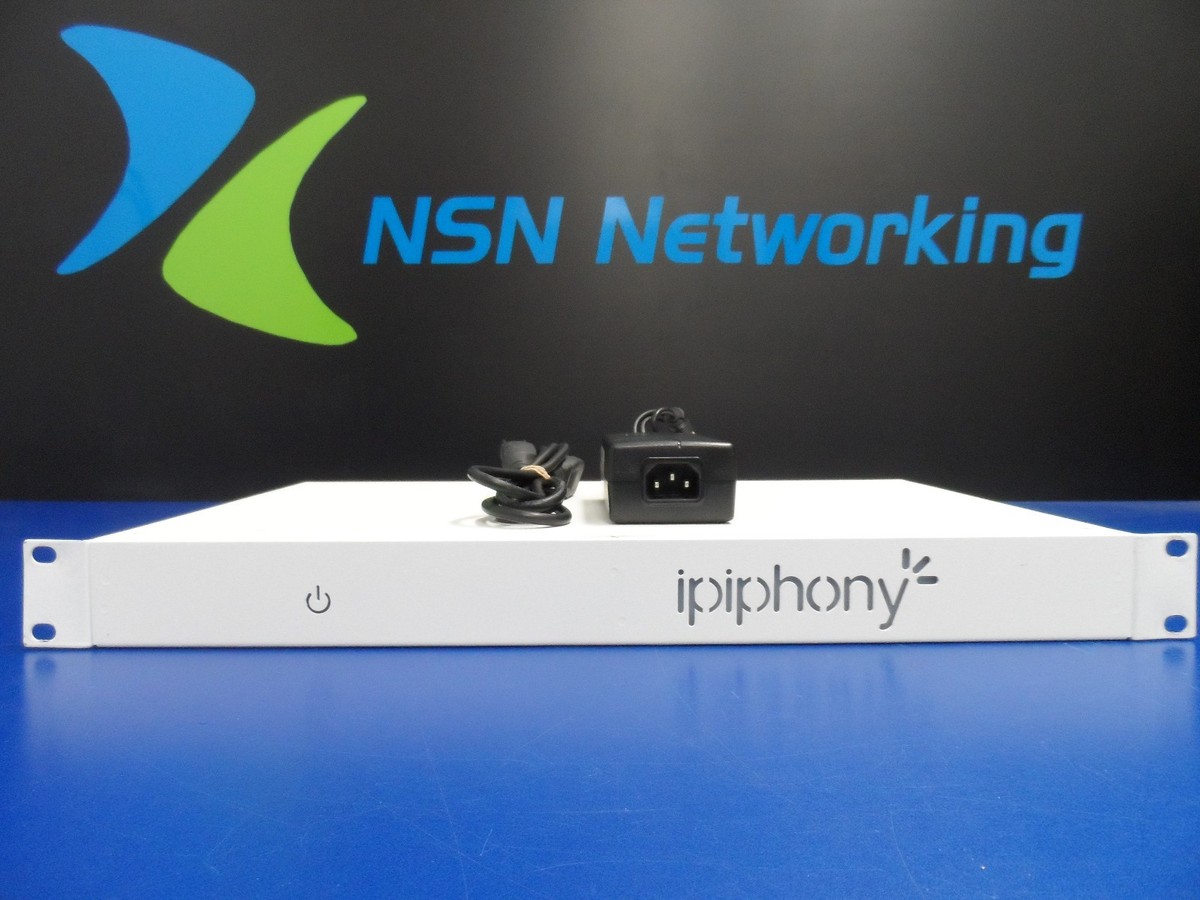
The Power of Small IP PBX Systems for Businesses
Small businesses are constantly looking for ways to streamline their operations and enhance communication efficiency. One powerful tool that can help achieve this is a Small IP PBX system.
IP PBX, or Internet Protocol Private Branch Exchange, is a telephony system that uses internet protocol to manage voice calls within an organisation. Unlike traditional PBX systems that rely on physical hardware, IP PBX systems operate virtually, making them more flexible and cost-effective.
Small IP PBX systems are specifically designed for the needs of small businesses. They offer a range of features that can help improve communication within the organisation, such as:
- Auto-attendant for professional call routing
- Voicemail-to-email transcription for easy message management
- Call forwarding and transfer capabilities
- Conference calling for remote collaboration
- Integration with mobile devices for on-the-go communication
One of the key advantages of small IP PBX systems is their scalability. As your business grows, you can easily expand the system to accommodate more users and additional features without the need for significant hardware upgrades.
Furthermore, small IP PBX systems offer cost savings compared to traditional phone systems. By leveraging internet connectivity for voice calls, businesses can reduce their telecommunications expenses and consolidate their communication infrastructure.
In today’s fast-paced business environment, effective communication is essential for success. Small IP PBX systems provide small businesses with the tools they need to communicate efficiently, collaborate seamlessly, and stay connected with customers and partners.
If you’re a small business looking to enhance your communication capabilities, consider implementing a small IP PBX system. It could be the key to unlocking greater productivity and growth for your organisation.
Understanding Small IP PBX: Common Questions Answered
Do IP phones need a PBX?
One frequently asked question regarding small IP PBX systems is, “Do IP phones need a PBX?” The answer is that while IP phones can technically function without a PBX, having a PBX system in place greatly enhances their capabilities and efficiency. A PBX system acts as the central hub for managing voice calls within an organisation, providing features such as call routing, voicemail management, and call transfer. By integrating IP phones with a PBX system, businesses can streamline their communication processes, improve productivity, and enhance overall connectivity both internally and externally.
What are the three types of PBX?
When considering PBX systems, there are generally three main types to choose from: traditional PBX, IP PBX, and hosted PBX. Traditional PBX systems rely on physical hardware to manage voice calls within an organisation. On the other hand, IP PBX systems use internet protocol for call management and offer greater flexibility and scalability. Hosted PBX systems are cloud-based solutions that provide a virtual phone system accessible via the internet. Each type of PBX has its own set of features and benefits, catering to different business needs and preferences.
What is IP PBX?
IP PBX, short for Internet Protocol Private Branch Exchange, is a telephony system that utilises internet protocol to manage voice calls within an organisation. Unlike traditional PBX systems that rely on physical hardware, IP PBX systems operate virtually, offering greater flexibility and cost-effectiveness. With features such as auto-attendant for call routing, voicemail-to-email transcription, and integration with mobile devices, IP PBX systems streamline communication processes and enhance connectivity within businesses. This innovative technology is scalable and enables businesses to expand their communication capabilities without the need for extensive hardware upgrades.
Is PBX better than VoIP?
When comparing PBX to VoIP, it’s important to understand that they are not mutually exclusive but rather complementary technologies. PBX, or Private Branch Exchange, refers to the hardware or software system that manages internal phone calls within an organisation. On the other hand, VoIP (Voice over Internet Protocol) is a technology that allows voice communication over the internet. In essence, PBX can be implemented using VoIP technology, known as IP PBX. This integration offers benefits such as cost savings, scalability, and enhanced features compared to traditional PBX systems. Therefore, it’s not a matter of PBX being better than VoIP but rather how businesses can leverage both technologies to create a robust and efficient communication infrastructure tailored to their needs.
Tags: businesses, communication efficiency, communication infrastructure, cost-effective, features, internet protocol, organisation, physical hardware, productivity growth, scalability, small ip pbx, small ip pbx systems, telephony system, traditional pbx systems