
The Power of VoIP Server: Revolutionising Communication
In today’s fast-paced digital world, communication is key to the success of any business. Voice over Internet Protocol (VoIP) technology has emerged as a game-changer, offering cost-effective and flexible communication solutions. At the heart of every VoIP system lies the VoIP server, a powerful tool that revolutionises the way we connect.
What is a VoIP Server?
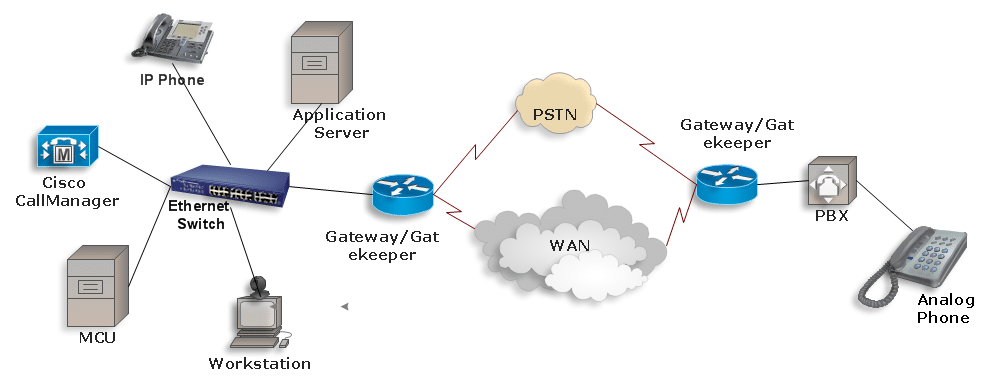
A VoIP server is a software or hardware-based platform that facilitates voice and multimedia communication over the internet. It acts as the central hub for managing calls, routing data packets, and handling various features such as call forwarding, voicemail, and conferencing.
Benefits of Using a VoIP Server
- Cost-Effective: VoIP servers eliminate the need for traditional phone lines, reducing communication costs significantly.
- Scalability: Businesses can easily scale their communication infrastructure up or down based on their needs without incurring additional expenses.
- Flexibility: VoIP servers offer features like virtual numbers, call routing options, and integration with other software applications for enhanced productivity.
- Mobility: With a VoIP server, employees can make and receive calls from anywhere with an internet connection, enabling remote work and flexibility.
- Reliability: VoIP servers are designed to provide high-quality voice calls with minimal downtime, ensuring uninterrupted communication.
Choosing the Right VoIP Server
When selecting a VoIP server for your business, consider factors such as scalability, security features, integration capabilities with existing systems, and ongoing support services. It’s essential to choose a reliable provider that meets your specific requirements and offers customised solutions tailored to your business needs.
The Future of Communication
As technology continues to evolve, VoIP servers will play an increasingly vital role in shaping how businesses communicate. By harnessing the power of VoIP technology and leveraging advanced features offered by modern servers, organisations can enhance collaboration, improve customer service, and drive overall efficiency in their operations.
Embrace the future of communication with a robust VoIP server solution that empowers your business to stay connected in today’s dynamic digital landscape.
6 Essential Tips for Optimising Your VoIP Server Performance and Security
- Ensure your VoIP server has sufficient bandwidth to handle voice calls effectively.
- Use quality of service (QoS) settings to prioritise VoIP traffic on your network.
- Regularly update and patch your VoIP server software to protect against security vulnerabilities.
- Implement strong authentication measures to prevent unauthorised access to your VoIP server.
- Monitor call quality and performance metrics to identify and address any issues promptly.
- Backup your VoIP server configuration regularly to prevent data loss in case of failure.
Ensure your VoIP server has sufficient bandwidth to handle voice calls effectively.
To ensure the smooth and effective operation of your VoIP server, it is crucial to guarantee that it has sufficient bandwidth to support voice calls seamlessly. Adequate bandwidth allocation is essential for maintaining high call quality, reducing latency, and preventing issues such as dropped calls or audio distortion. By prioritising sufficient bandwidth for your VoIP server, you can enhance the overall communication experience for users and maximise the benefits of using VoIP technology in your business operations.
Use quality of service (QoS) settings to prioritise VoIP traffic on your network.
Utilising Quality of Service (QoS) settings to prioritise VoIP traffic on your network is a crucial tip for ensuring seamless communication. By assigning priority to VoIP data packets over other types of network traffic, you can guarantee consistent voice quality and minimise latency issues during calls. Implementing QoS settings helps to maintain a smooth flow of communication, enhance call clarity, and improve overall user experience when using VoIP services. Prioritising VoIP traffic through QoS settings is a proactive approach that can significantly boost the efficiency and reliability of your communication network.
Regularly update and patch your VoIP server software to protect against security vulnerabilities.
Regularly updating and patching your VoIP server software is crucial to safeguarding your communication infrastructure against potential security vulnerabilities. By staying proactive in applying the latest software updates, you can mitigate the risk of cyber threats and ensure that your VoIP system remains secure and reliable. Keeping your VoIP server software up-to-date not only enhances its performance but also demonstrates a commitment to maintaining a secure environment for seamless communication within your organisation.
Implement strong authentication measures to prevent unauthorised access to your VoIP server.
To enhance the security of your VoIP server, it is crucial to implement robust authentication measures to prevent unauthorised access. By requiring strong passwords, multi-factor authentication, and regular password updates, you can safeguard your communication infrastructure from potential threats. Additionally, monitoring access logs and promptly addressing any suspicious activities can help mitigate the risk of security breaches and ensure the confidentiality and integrity of your VoIP system. Prioritising strong authentication practices is essential in maintaining a secure and reliable communication environment for your business.
Monitor call quality and performance metrics to identify and address any issues promptly.
Monitoring call quality and performance metrics is crucial when utilising a VoIP server. By keeping a close eye on these metrics, businesses can swiftly identify any issues that may impact communication efficiency. Proactively addressing these issues ensures that call quality remains high and that performance levels meet expectations. Regular monitoring not only helps in maintaining a seamless communication experience but also allows for timely troubleshooting and resolution of any potential problems, ultimately enhancing overall productivity and customer satisfaction.
Backup your VoIP server configuration regularly to prevent data loss in case of failure.
It is crucial to regularly back up your VoIP server configuration to safeguard against potential data loss in the event of a system failure. By maintaining up-to-date backups, you can ensure that your communication infrastructure remains intact and operational, minimising downtime and preserving critical information. Implementing a robust backup strategy for your VoIP server configuration is a proactive measure that can provide peace of mind and help maintain the continuity of your communication services.
Tags: bandwidth, benefits, choosing, communication, cost-effective, features, flexibility, integration, mobility, network traffic prioritization, patching, quality of service qos, reliability, revolutionising, scalability, security, security vulnerabilities, technology, updates, voip server