
The Traditional PBX Phone System: A Reliable Communication Solution
For decades, the Private Branch Exchange (PBX) phone system has been a staple in business communication. This traditional system provides a reliable and efficient way for organisations to manage their internal and external calls.
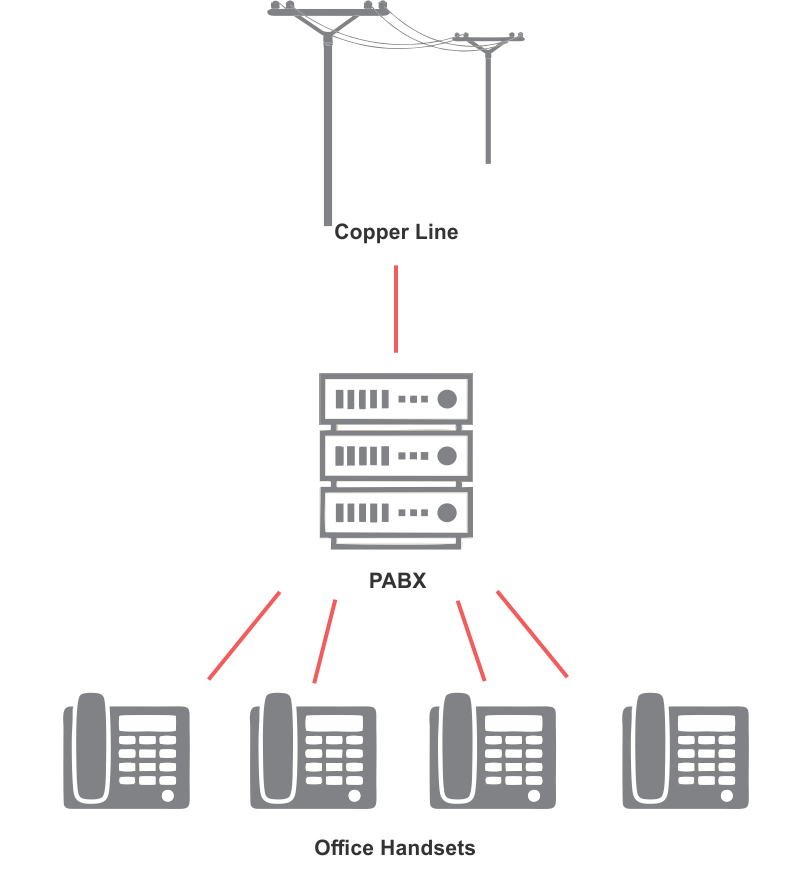
One of the key features of a traditional PBX phone system is its ability to route calls within an organisation through internal lines while also connecting to external lines for outside communication. This setup allows for seamless communication both within the company and with clients, customers, and partners.
Traditional PBX systems typically consist of physical hardware located on-site at the organisation’s premises. These systems are often managed by dedicated IT staff or third-party providers who ensure smooth operation and maintenance of the system.
While newer technologies such as Voice over Internet Protocol (VoIP) have gained popularity in recent years, many businesses still rely on traditional PBX phone systems due to their proven track record of reliability and security. These systems offer features such as call forwarding, voicemail, conference calling, and more, making them versatile communication tools for businesses of all sizes.
Despite the rise of digital communication solutions, traditional PBX phone systems continue to play a vital role in many industries. Their stability, security, and established infrastructure make them a trusted choice for organisations looking for a dependable communication solution.
In conclusion, the traditional PBX phone system remains a cornerstone of business communication thanks to its reliability and robust features. While technology continues to evolve, there is still value in leveraging this time-tested solution for efficient and effective communication within an organisation.
Comprehensive Guide to Traditional PBX Phone Systems: FAQs and Insights
- What is a traditional PBX phone system?
- How does a traditional PBX system differ from VoIP?
- What are the key features of a traditional PBX phone system?
- Is a traditional PBX system suitable for small businesses?
- How much does it cost to install and maintain a traditional PBX phone system?
- Can a traditional PBX system be integrated with modern communication technologies?
- What are the security measures in place for traditional PBX systems?
- Are there any disadvantages to using a traditional PBX phone system?
- How can I upgrade my current phone system to a traditional PBX setup?
What is a traditional PBX phone system?
A traditional PBX phone system, short for Private Branch Exchange, is a communication infrastructure commonly used by businesses to manage internal and external calls efficiently. This system allows organisations to route calls internally through dedicated lines while also connecting to external lines for outside communication. Typically consisting of physical hardware located on-site, traditional PBX systems offer features such as call forwarding, voicemail, conference calling, and more. Despite the emergence of newer technologies like VoIP, many businesses still rely on traditional PBX systems for their proven reliability and security in facilitating seamless communication within the company and with external parties.
How does a traditional PBX system differ from VoIP?
When comparing a traditional PBX system to VoIP (Voice over Internet Protocol), the key difference lies in the underlying technology used for communication. A traditional PBX system relies on physical hardware and dedicated phone lines to route calls within an organisation and connect to external lines. In contrast, VoIP utilises the internet to transmit voice data, converting analogue signals into digital packets for communication. This distinction results in differences in cost, scalability, and flexibility between the two systems. While traditional PBX systems offer reliability and security, VoIP systems are known for their cost-effectiveness and ability to integrate with other digital services seamlessly. Understanding these differences is crucial for businesses looking to choose the most suitable communication solution for their needs.
What are the key features of a traditional PBX phone system?
A traditional PBX phone system offers a range of key features that make it a reliable choice for business communication. Some of the main features include call routing, which enables internal calls to be directed through the system’s internal lines and external calls to be connected to outside lines. Additionally, traditional PBX systems often provide essential functions such as call forwarding, voicemail, conference calling, and automated attendant services. These features help businesses manage their communication effectively and ensure seamless connectivity both within the organisation and with external contacts.
Is a traditional PBX system suitable for small businesses?
When considering whether a traditional PBX system is suitable for small businesses, several factors come into play. While larger enterprises often opt for traditional PBX systems due to their robust features and scalability, small businesses may find these systems to be cost-prohibitive and complex to manage. However, some small businesses with specific communication needs and budget constraints may still benefit from a traditional PBX system’s reliability and established infrastructure. It is essential for small business owners to carefully assess their requirements, budget, and long-term communication goals before deciding if a traditional PBX system is the right choice for their organisation.
How much does it cost to install and maintain a traditional PBX phone system?
When considering the installation and maintenance costs of a traditional PBX phone system, it is important to factor in various variables that can impact the overall expenses. The initial installation cost of a traditional PBX system can vary depending on the size of the organisation, the number of lines required, and any additional features or customisations needed. Additionally, ongoing maintenance costs such as software updates, hardware repairs, and technical support services should be considered to ensure the system operates smoothly and efficiently. While traditional PBX systems may require a significant upfront investment compared to newer technologies, their reliability and long-term usability often make them a cost-effective communication solution for many businesses.
Can a traditional PBX system be integrated with modern communication technologies?
Integrating a traditional PBX system with modern communication technologies is indeed possible and can offer numerous benefits to businesses. By leveraging integration solutions, organisations can bridge the gap between their existing PBX infrastructure and advanced communication tools such as Voice over Internet Protocol (VoIP), Unified Communications (UC), and cloud-based services. This integration allows for enhanced functionality, improved scalability, and cost savings, enabling businesses to adapt to the evolving landscape of communication technology while still utilising the reliability and familiarity of their traditional PBX system.
What are the security measures in place for traditional PBX systems?
Security measures for traditional PBX systems are crucial to safeguarding sensitive communication data and preventing unauthorized access. Common security measures include password protection for system access, encryption of voice data to prevent eavesdropping, regular software updates to patch vulnerabilities, and implementing firewalls to block malicious traffic. Additionally, restricting physical access to the PBX hardware and conducting regular security audits can help identify and address potential risks proactively. By implementing these security measures, organisations can enhance the protection of their traditional PBX systems and mitigate the risk of security breaches.
Are there any disadvantages to using a traditional PBX phone system?
When considering the use of a traditional PBX phone system, it is important to be aware of potential disadvantages that may impact its suitability for certain organisations. One notable drawback is the initial cost associated with purchasing and installing the hardware required for a traditional PBX system, which can be substantial compared to cloud-based or VoIP alternatives. Additionally, ongoing maintenance and upgrades may incur additional expenses over time. Another limitation is the lack of scalability inherent in some traditional PBX systems, making it challenging for businesses experiencing rapid growth or fluctuations in communication needs. Lastly, the reliance on physical infrastructure can pose a risk in case of power outages or hardware failures, potentially leading to disruptions in communication services.
How can I upgrade my current phone system to a traditional PBX setup?
When considering upgrading your current phone system to a traditional PBX setup, it is essential to start by evaluating your current communication needs and infrastructure. Begin by conducting a thorough assessment of your organisation’s requirements, including the number of users, call volume, and desired features. Next, research reputable providers who offer traditional PBX systems and schedule consultations to discuss your specific needs. A qualified provider can help you design a tailored solution that seamlessly integrates with your existing setup while meeting your communication goals. Remember that a successful upgrade to a traditional PBX system involves careful planning, implementation, and training to ensure a smooth transition for your organisation.
Tags: businesses, call forwarding, communication, conference calling, external calls, infrastructure, internal calls, on-site, physical hardware, private branch exchange, reliability, security, traditional pbx phone system, voicemail