
The Role of Traditional PBX Systems in Modern Communication
In the ever-evolving landscape of communication technology, traditional PBX (Private Branch Exchange) systems continue to play a significant role in facilitating efficient and reliable communication within businesses and organisations.
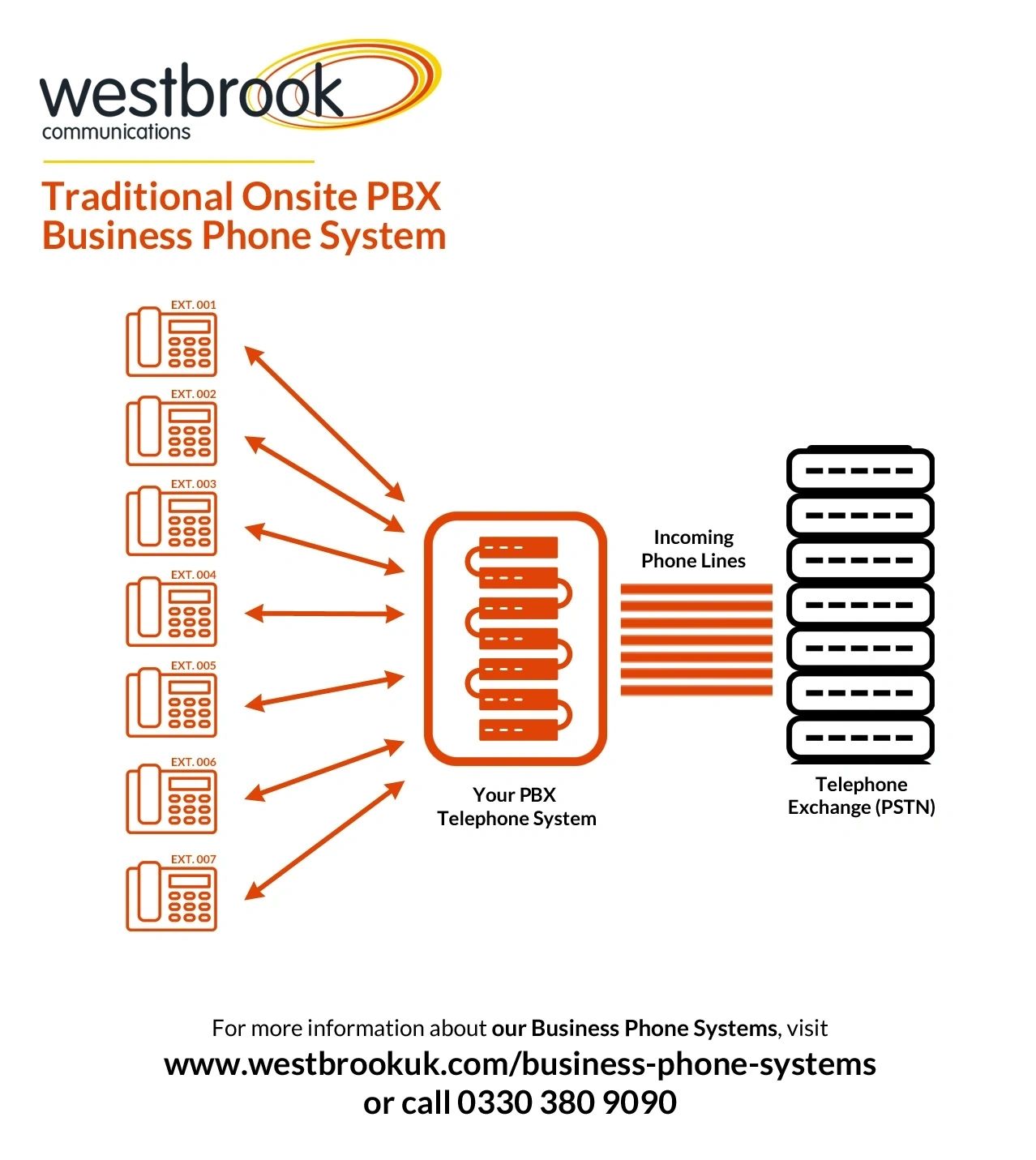
Traditional PBX systems have been a staple in the business world for decades, providing a centralized system for managing incoming and outgoing phone calls. Unlike modern VoIP (Voice over Internet Protocol) systems that rely on internet connectivity, traditional PBX systems operate using dedicated phone lines.
One of the key advantages of traditional PBX systems is their reliability. With dedicated phone lines, businesses can ensure consistent call quality and connectivity, crucial for maintaining seamless communication with customers, clients, and colleagues.
Another benefit of traditional PBX systems is their scalability. Businesses can easily expand their phone system by adding more extensions as needed, making it a flexible solution that can grow with the organisation.
While modern VoIP systems offer advanced features and integration capabilities, traditional PBX systems remain popular among businesses that value stability, security, and simplicity in their communication infrastructure.
As technology continues to evolve, traditional PBX systems may face challenges in keeping up with the latest innovations. However, for many businesses, these reliable and time-tested systems continue to be a cornerstone of their communication strategy.
In conclusion, while modern communication technologies are constantly evolving, traditional PBX systems still hold a vital place in the world of business communication. Their reliability, scalability, and simplicity make them a preferred choice for many organisations seeking a robust and dependable phone system.
Understanding Traditional PBX Systems: Key Differences, Advantages, and Modern Relevance
- What is a traditional PBX system?
- How does a traditional PBX system differ from a VoIP system?
- What are the key advantages of using a traditional PBX system?
- Is it easy to expand or upgrade a traditional PBX system?
- Are traditional PBX systems still relevant in today’s digital age?
What is a traditional PBX system?
A traditional PBX system, short for Private Branch Exchange, is a communication system commonly used by businesses to manage incoming and outgoing phone calls internally. Unlike modern VoIP systems that rely on internet connectivity, traditional PBX systems operate using dedicated phone lines. Essentially, a traditional PBX system serves as a central hub that connects multiple phone extensions within an organisation, allowing for efficient call routing and management. This tried-and-tested technology provides businesses with a reliable and scalable solution for their communication needs, making it a popular choice for those who value stability and simplicity in their phone system infrastructure.
How does a traditional PBX system differ from a VoIP system?
A frequently asked question about traditional PBX systems is how they differ from VoIP systems. The main distinction lies in the underlying technology used for communication. Traditional PBX systems operate using dedicated phone lines, providing reliable call quality and connectivity. In contrast, VoIP systems utilise the internet to transmit voice data, offering flexibility and advanced features such as video conferencing and integration with other digital tools. While traditional PBX systems are known for their stability and security, VoIP systems are favoured for their scalability and cost-effectiveness. Understanding these differences can help businesses choose the communication solution that best suits their needs and preferences.
What are the key advantages of using a traditional PBX system?
When considering the key advantages of using a traditional PBX system, reliability stands out as a primary benefit. With dedicated phone lines, traditional PBX systems ensure consistent call quality and connectivity, essential for maintaining seamless communication within businesses. Additionally, the scalability of traditional PBX systems allows organisations to easily expand their phone system by adding more extensions as needed, offering a flexible solution that can adapt to the evolving needs of the business. Despite the rise of modern VoIP systems with advanced features, many businesses continue to value the stability, security, and simplicity that traditional PBX systems provide in their communication infrastructure.
Is it easy to expand or upgrade a traditional PBX system?
Expanding or upgrading a traditional PBX system can be a straightforward process, depending on the specific system in place. Traditional PBX systems are designed to be scalable, allowing businesses to add more extensions or lines as their communication needs grow. Upgrading a traditional PBX system typically involves installing new hardware or software components to enhance functionality or accommodate increased capacity. While the process may require some technical expertise, many providers offer support and guidance to ensure a smooth transition. Overall, with proper planning and assistance from experienced professionals, expanding or upgrading a traditional PBX system can be a manageable task that helps businesses adapt to changing communication requirements effectively.
Are traditional PBX systems still relevant in today’s digital age?
The question of whether traditional PBX systems are still relevant in today’s digital age is a common one. While modern communication technologies like VoIP have gained popularity for their advanced features and flexibility, traditional PBX systems continue to be relevant for many businesses. Their reliability, security, and ease of use make them a preferred choice for organisations that value stability in their communication infrastructure. Additionally, the scalability of traditional PBX systems allows businesses to easily expand their phone system as needed, making them a practical solution for growing enterprises. Ultimately, the relevance of traditional PBX systems in today’s digital age depends on the specific needs and priorities of each business.
Tags: businesses, communication technology, dedicated phone lines, internet connectivity, organisations, phone system, private branch exchange, reliable communication, scalability, traditional pbx, traditional pbx advantages, traditional pbx systems, voip systems