
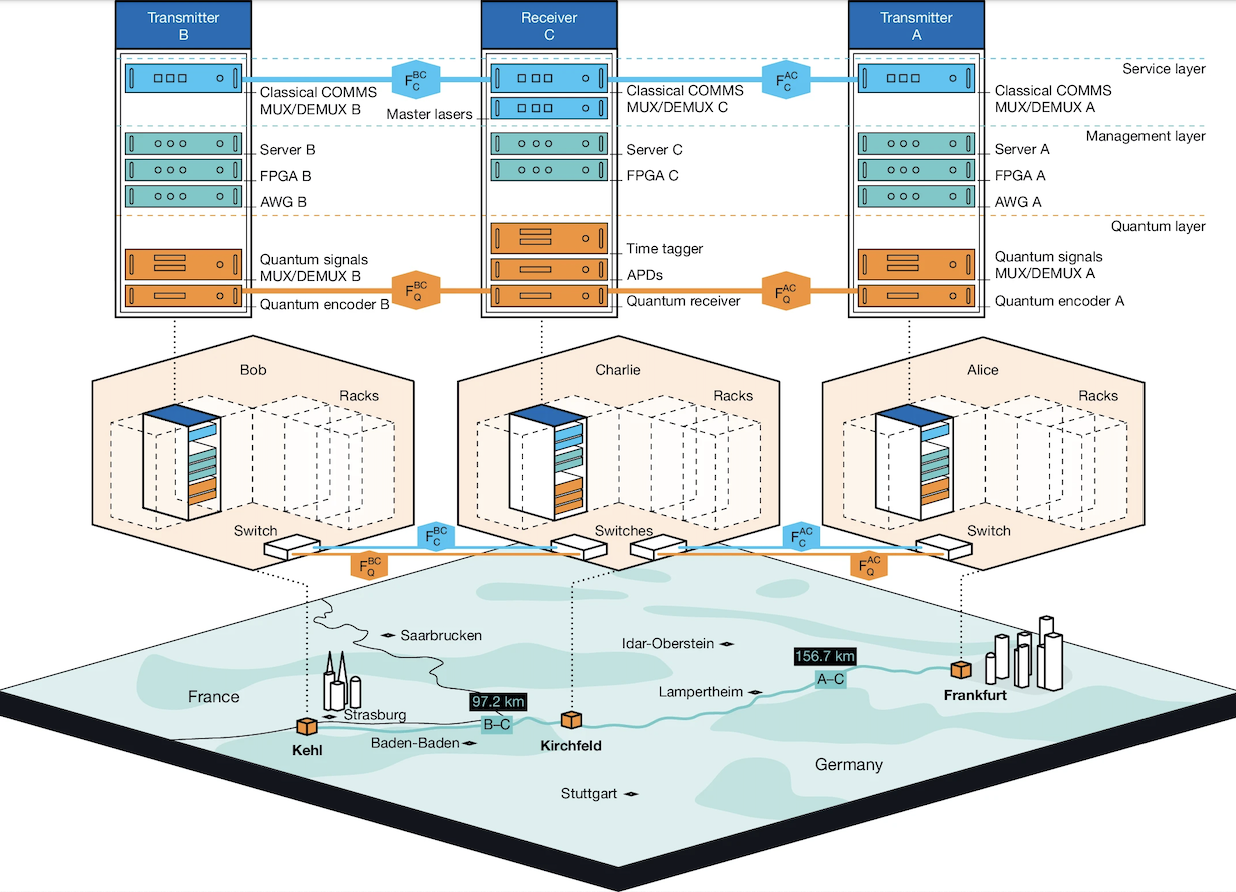
The Backbone of Communication: Telecom Network Infrastructure
In today’s interconnected world, telecom network infrastructure plays a crucial role in enabling seamless communication across the globe. From phone calls to internet browsing, from video conferencing to streaming services, telecom networks form the backbone that supports our daily interactions.
Telecom network infrastructure consists of a complex web of physical and virtual components that work together to transmit data and connect users. At its core, the infrastructure includes cables, routers, switches, towers, servers, and other hardware that facilitate the transmission of signals.
One key element of telecom network infrastructure is the concept of ‘backbone networks’. These high-capacity networks form the primary channels through which data travels between different locations. Backbone networks often consist of fibre-optic cables that can transmit vast amounts of data at high speeds over long distances.
Another critical component is the ‘last-mile connectivity’, which refers to the final link that connects end-users to the broader network. This can include copper wires, coaxial cables, wireless connections, or even satellite links depending on the location and technology available.
With the advent of 5G technology and the Internet of Things (IoT), telecom network infrastructure is undergoing rapid evolution to meet the increasing demands for speed, reliability, and connectivity. 5G promises ultra-fast speeds and low latency, opening up new possibilities for applications such as autonomous vehicles and remote healthcare.
Ensuring the security and resilience of telecom network infrastructure is also paramount in today’s digital landscape. Cyber threats pose a constant challenge to network operators, requiring robust measures to safeguard data privacy and prevent disruptions in service.
As we continue to embrace digital transformation and rely more on interconnected technologies, investing in robust and scalable telecom network infrastructure becomes essential. By building a strong foundation for communication networks, we pave the way for a future where connectivity knows no bounds.
Understanding Telecom Network Infrastructure: Key Concepts, Functionality, Components, Importance, and Maintenance Challenges
- What is telecom network infrastructure?
- How does telecom network infrastructure work?
- What are the key components of telecom network infrastructure?
- Why is telecom network infrastructure important?
- What are the challenges faced in maintaining telecom network infrastructure?
What is telecom network infrastructure?
Telecom network infrastructure refers to the intricate system of physical and virtual components that form the foundation of communication networks. It encompasses a wide array of hardware and software elements, such as cables, routers, switches, towers, servers, and more, that work together to transmit data and connect users across various locations. Essentially, it serves as the backbone that enables the seamless flow of information through phone calls, internet services, video conferencing, and other forms of communication in our interconnected world. Understanding the significance of telecom network infrastructure is key to appreciating how modern communication systems operate and how they continue to evolve to meet the growing demands for speed, reliability, and connectivity in today’s digital age.
How does telecom network infrastructure work?
Telecom network infrastructure works by establishing a complex system of physical and virtual components that enable the transmission of data and connectivity between users. At its core, the infrastructure includes cables, routers, switches, towers, servers, and other hardware that facilitate the flow of signals. Data is transmitted through various channels, including backbone networks comprised of high-capacity fibre-optic cables for long-distance communication and last-mile connectivity that links end-users to the broader network using technologies such as copper wires, coaxial cables, wireless connections, or satellite links. This intricate network allows for data to be exchanged swiftly and efficiently, supporting a wide range of communication services from phone calls to internet browsing with seamless connectivity across different locations.
What are the key components of telecom network infrastructure?
When exploring the key components of telecom network infrastructure, it becomes evident that a combination of physical and virtual elements forms the foundation for seamless communication. These components include backbone networks, which serve as the primary channels for data transmission over long distances, often utilising high-capacity fibre-optic cables. Last-mile connectivity is another vital aspect, linking end-users to the broader network through various mediums such as copper wires, coaxial cables, wireless connections, or satellite links. Additionally, routers, switches, servers, and other hardware play crucial roles in facilitating the flow of data within the network. Each component works harmoniously to ensure efficient communication and connectivity in our interconnected world.
Why is telecom network infrastructure important?
Telecom network infrastructure is crucial for enabling seamless communication on a global scale. Its importance lies in its ability to connect individuals, businesses, and communities, facilitating the exchange of information and data in real-time. Without robust telecom network infrastructure, essential services such as phone calls, internet access, and digital transactions would be severely disrupted. Additionally, telecom network infrastructure plays a vital role in driving economic growth by providing the foundation for innovation and technological advancement. By supporting the ever-increasing demand for connectivity and data transmission, telecom network infrastructure underpins modern society’s reliance on digital communication channels.
What are the challenges faced in maintaining telecom network infrastructure?
Maintaining telecom network infrastructure poses a range of challenges that require constant attention and proactive solutions. One significant challenge is the ever-increasing demand for bandwidth and data capacity, driven by the proliferation of connected devices and data-intensive applications. Network operators must continuously upgrade and expand their infrastructure to keep up with this demand while ensuring optimal performance and reliability. Additionally, ensuring network security against cyber threats and potential disruptions is a critical challenge that requires robust cybersecurity measures and constant monitoring. Moreover, the complexity of modern telecom networks, with their mix of physical and virtual components, adds another layer of challenge in terms of troubleshooting issues and ensuring seamless integration across different technologies. Overall, staying ahead of these challenges in maintaining telecom network infrastructure requires a combination of technical expertise, strategic planning, and a commitment to innovation.
Tags: backbone networks, cables, communication networks, connectivity between users, data transmission, fibre-optic cables, hardware, last-mile connectivity, physical, routers, servers, software elements, switches, telecom network infrastructure, towers, virtual components