
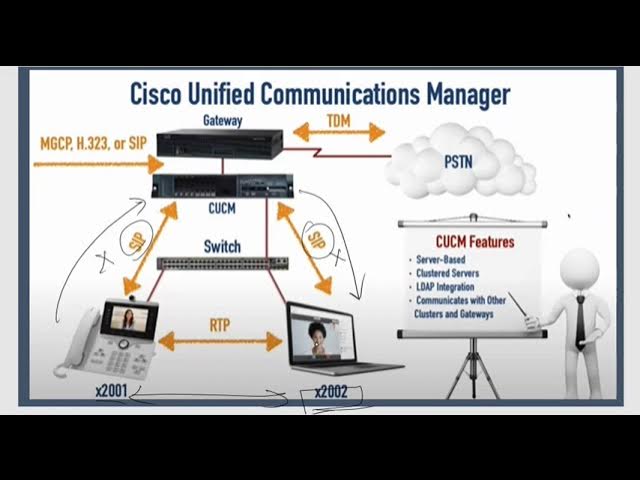
The Power of SIP Unified Communications
Session Initiation Protocol (SIP) Unified Communications is revolutionizing the way businesses communicate internally and with their customers. By integrating various communication channels into a single platform, SIP Unified Communications streamlines operations, enhances productivity, and improves customer satisfaction.
Benefits of SIP Unified Communications:
- Efficiency: With SIP Unified Communications, employees can access voice calls, video conferencing, instant messaging, and more from a single interface. This reduces the need to switch between different applications, saving time and improving workflow efficiency.
- Cost-Effective: By consolidating communication tools into one platform, businesses can reduce costs associated with maintaining multiple systems. SIP Unified Communications also enables seamless communication over IP networks, reducing traditional telephony expenses.
- Scalability: SIP Unified Communications solutions are highly scalable and can adapt to the changing needs of a growing business. Whether adding new users or expanding to new locations, SIP technology allows for easy scalability without significant infrastructure changes.
- Collaboration: Collaboration is key in today’s fast-paced business environment. SIP Unified Communications facilitates real-time collaboration through features such as screen sharing, file sharing, and team messaging. This fosters teamwork and boosts productivity across departments.
- Mobility: In an increasingly mobile workforce, SIP Unified Communications supports remote work by enabling employees to stay connected from anywhere with internet access. Mobile apps and softphone capabilities ensure seamless communication on-the-go.
Conclusion
SIP Unified Communications is more than just a technology upgrade – it’s a strategic investment in the future of your business. By harnessing the power of unified communication channels through SIP technology, organisations can enhance collaboration, improve efficiency, and drive growth in today’s competitive market.
7 Essential Tips for Optimising SIP Unified Communications Efficiency
- Ensure you have a reliable internet connection for seamless communication.
- Familiarize yourself with all the features and functionalities of the SIP unified communications system.
- Regularly update your SIP software to benefit from the latest improvements and security patches.
- Implement strong security measures to protect sensitive data transmitted through SIP communications.
- Train your team on how to effectively use SIP unified communications for better collaboration and productivity.
- Monitor call quality and address any issues promptly to maintain high standards of communication.
- Integrate SIP with other business tools and applications for enhanced efficiency and workflow automation.
Ensure you have a reliable internet connection for seamless communication.
To fully leverage the benefits of SIP Unified Communications, it is crucial to ensure you have a reliable internet connection in place. A stable internet connection is essential for seamless communication across various channels, including voice calls, video conferencing, and instant messaging. By prioritising a dependable internet connection, businesses can avoid disruptions, delays, and poor call quality, thus ensuring efficient and effective communication within the organisation and with external stakeholders.
Familiarize yourself with all the features and functionalities of the SIP unified communications system.
To fully leverage the benefits of SIP unified communications, it is essential to familiarize yourself with all the features and functionalities of the system. Understanding how each component works and how they integrate with one another can significantly enhance your communication experience. By exploring the capabilities of SIP unified communications, you can optimise your workflow, improve collaboration, and make the most out of this powerful communication tool.
Regularly update your SIP software to benefit from the latest improvements and security patches.
To fully leverage the advantages of SIP Unified Communications, it is crucial to regularly update your SIP software. By staying up-to-date with the latest improvements and security patches, you ensure that your communication system operates efficiently and securely. Updating your SIP software not only enhances performance but also helps protect your network from potential vulnerabilities, keeping your business communication seamless and protected against evolving cyber threats.
Implement strong security measures to protect sensitive data transmitted through SIP communications.
When implementing SIP Unified Communications, it is crucial to incorporate robust security measures to safeguard sensitive data transmitted through these channels. By prioritising security protocols such as encryption, authentication, and access control, businesses can mitigate the risk of data breaches and ensure the confidentiality and integrity of their communications. Proactive security measures not only protect sensitive information but also build trust with customers and partners, demonstrating a commitment to data privacy and compliance with regulatory requirements.
Train your team on how to effectively use SIP unified communications for better collaboration and productivity.
To maximise the benefits of SIP Unified Communications within your organisation, it is essential to invest in training for your team on how to effectively utilise this technology. By providing comprehensive training sessions, employees can learn how to leverage the features of SIP Unified Communications for improved collaboration and productivity. Equipping your team with the necessary skills and knowledge will not only streamline communication processes but also foster a culture of efficient teamwork and innovation. Training ensures that all team members are proficient in using SIP technology, leading to enhanced efficiency and overall success in achieving business objectives.
Monitor call quality and address any issues promptly to maintain high standards of communication.
Monitoring call quality is crucial when utilising SIP Unified Communications to ensure a seamless communication experience. By promptly addressing any issues that may arise, businesses can uphold high standards of communication efficiency and effectiveness. Proactive monitoring not only helps in identifying potential issues but also allows for timely resolution, ultimately enhancing overall user satisfaction and productivity. Prioritising call quality maintenance demonstrates a commitment to delivering reliable and superior communication services within the organisation.
Integrate SIP with other business tools and applications for enhanced efficiency and workflow automation.
Integrating SIP with other business tools and applications is a valuable tip for maximising the benefits of Unified Communications. By seamlessly connecting SIP technology with existing systems such as CRM platforms, project management tools, and email clients, businesses can achieve enhanced efficiency and streamline workflow automation. This integration allows for a cohesive communication ecosystem where data flows seamlessly between different applications, empowering teams to work more collaboratively and productively. Embracing this approach not only optimises internal processes but also improves customer interactions by providing a unified and consistent communication experience across all touchpoints.
Tags: benefits, collaboration, cost-effective, efficiency, features, functionalities, instant messaging, mobility, reliable internet connection, scalability, seamless communication, security patches, system update, video conferencing, voice calls