
The Power of SIP Fax Server in Modern Communication
In the fast-paced world of modern communication, businesses are constantly seeking innovative solutions to streamline their operations and enhance productivity. One such solution that has gained traction in recent years is the SIP fax server.
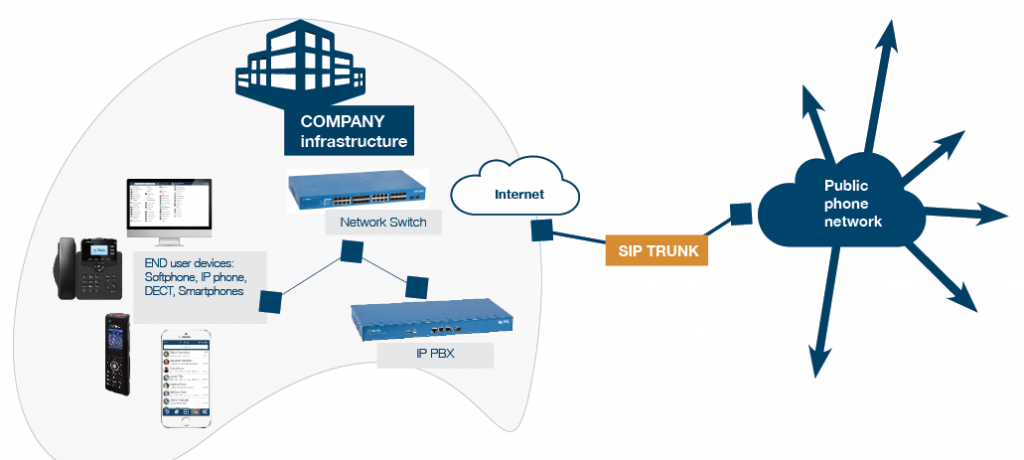
SIP, or Session Initiation Protocol, is a communication protocol used for initiating and terminating multimedia communication sessions. When integrated with a fax server, SIP technology revolutionises the way businesses send and receive faxes.
Unlike traditional fax machines that require dedicated phone lines and physical documents, a SIP fax server enables users to send and receive faxes digitally over an IP network. This not only eliminates the need for paper and ink but also provides greater flexibility and cost savings.
With a SIP fax server, users can send faxes directly from their computers or mobile devices, making it convenient for remote workers or employees on the go. Incoming faxes are delivered to email inboxes, ensuring timely access to important documents without the hassle of waiting by a physical fax machine.
Furthermore, SIP fax servers offer advanced features such as encryption for secure transmission of sensitive information, automatic routing based on predefined rules, and integration with existing communication systems for seamless workflow management.
Businesses that embrace SIP fax server technology benefit from increased efficiency, reduced operational costs, and improved document management. By transitioning to digital faxing solutions powered by SIP technology, organisations can stay ahead in today’s competitive business landscape.
As the demand for flexible and scalable communication solutions continues to grow, the adoption of SIP fax servers is expected to rise. Embracing this technology can give businesses a competitive edge by enhancing communication capabilities while simplifying processes.
Understanding SIP Fax Servers: Common Questions and Answers
- Can you fax over a SIP line?
- Can VoIP be used for faxing?
- What is SIP in faxing?
- What is sip faxing?
- Can iFax with VoIP?
- What is a fax server?
- Why are fax machines not used anymore?
- What does a fax server do?
Can you fax over a SIP line?
Yes, you can fax over a SIP line. Fax over SIP, also known as FoIP (Fax over Internet Protocol), allows users to send and receive faxes using a SIP trunk instead of traditional phone lines. By converting fax signals into digital data packets, SIP technology enables the transmission of faxes over IP networks. While faxing over a SIP line is possible, it is important to ensure that the network infrastructure supports the necessary protocols and configurations to maintain the quality and reliability of fax communication. Additionally, implementing features like T.38 protocol support can enhance the compatibility and performance of fax transmissions over SIP lines.
Can VoIP be used for faxing?
In response to the frequently asked question, “Can VoIP be used for faxing?” the answer is yes, VoIP technology can indeed be utilised for faxing purposes. By integrating a VoIP system with a compatible fax server or service, users can send and receive faxes over an IP network. While traditional fax machines may encounter compatibility issues with VoIP due to differences in signal transmission, modern VoIP solutions offer features that support faxing, such as T.38 protocol for reliable fax transmission over IP networks. This integration enables businesses to streamline their communication processes by incorporating fax functionality into their existing VoIP infrastructure, enhancing efficiency and reducing costs associated with traditional faxing methods.
What is SIP in faxing?
SIP, or Session Initiation Protocol, plays a crucial role in modern faxing by enabling the transmission of faxes over IP networks. In the context of faxing, SIP serves as the communication protocol that initiates and terminates fax sessions, allowing for seamless digital transmission of documents. By leveraging SIP technology in faxing, businesses can send and receive faxes efficiently without the need for traditional fax machines or dedicated phone lines. This integration streamlines the faxing process, enhances accessibility, and offers cost-effective solutions for organisations looking to modernise their communication methods.
What is sip faxing?
SIP faxing, short for Session Initiation Protocol faxing, is a modern communication method that enables the transmission of faxes over IP networks using the SIP protocol. Unlike traditional faxing methods that rely on dedicated phone lines and physical documents, SIP faxing allows users to send and receive faxes digitally through computers or mobile devices. This technology streamlines the faxing process, reduces costs associated with paper and ink, and offers greater flexibility for remote workers. SIP faxing also provides advanced features such as encryption for secure transmission and seamless integration with existing communication systems, making it a convenient and efficient solution for businesses looking to modernise their faxing operations.
Can iFax with VoIP?
When it comes to the question of whether you can iFax with VoIP, the answer is a resounding yes. Integrating iFax capabilities with Voice over Internet Protocol (VoIP) technology allows users to send and receive faxes digitally over an IP network. This modern approach to faxing eliminates the need for traditional fax machines and dedicated phone lines, offering greater flexibility and cost savings. By leveraging VoIP for iFax, businesses and individuals can enjoy streamlined communication processes and enhanced efficiency in their document management workflows.
What is a fax server?
A fax server is a centralised system that enables the sending and receiving of faxes electronically over an IP network. Unlike traditional fax machines that rely on physical documents and dedicated phone lines, a fax server digitises the faxing process, allowing users to send and receive faxes directly from their computers or mobile devices. By leveraging technology such as SIP (Session Initiation Protocol), a fax server streamlines communication by eliminating the need for paper, ink, and manual transmission. This modern solution offers businesses greater flexibility, efficiency, and cost savings in managing their fax communications.
Why are fax machines not used anymore?
In the modern era of digital communication, fax machines are becoming increasingly obsolete due to several factors. The primary reason for the decline in fax machine usage is the widespread availability of more efficient and cost-effective alternatives, such as email and online document sharing platforms. These digital solutions offer instant transmission of documents without the need for physical paper or dedicated phone lines, making them more environmentally friendly and convenient. Additionally, fax machines are often associated with outdated technology and limited functionality compared to the advanced features offered by modern communication systems like SIP fax servers. As businesses strive to streamline their operations and embrace digital transformation, the use of fax machines continues to decline in favour of more innovative and versatile communication tools.
What does a fax server do?
A fax server serves as a centralised system that enables the sending and receiving of faxes electronically over an IP network. This technology eliminates the need for traditional fax machines and dedicated phone lines by digitising the faxing process. Users can send faxes directly from their devices, such as computers or mobile phones, and receive incoming faxes in their email inboxes. Additionally, a fax server offers features like encryption for secure transmission, automated routing based on predefined rules, and integration with existing communication systems. Overall, a fax server simplifies and modernises the faxing process, making it more efficient, cost-effective, and environmentally friendly.
Tags: businesses, cost savings, digital, efficiency, encryption, fax server, faxes, ip network, modern communication, paperless, remote workers, sip, sip technology, workflow management