
The Power of Self-Hosted PBX Systems
In the world of business communication, self-hosted PBX (Private Branch Exchange) systems are gaining popularity for their flexibility, cost-effectiveness, and control. Unlike traditional PBX systems that are hosted and managed by third-party providers, self-hosted PBX systems give businesses the autonomy to host and manage their own communication infrastructure.
One of the key advantages of self-hosted PBX systems is the level of control they offer. Businesses have full control over their communication network, allowing them to customise features, scale resources based on their needs, and integrate with other business applications seamlessly.
Cost-effectiveness is another major benefit of self-hosted PBX systems. By hosting the system internally, businesses can avoid monthly subscription fees associated with traditional hosted PBX services. This can result in significant cost savings in the long run, especially for businesses with high call volumes or multiple locations.
Security is also a major consideration for businesses when it comes to communication systems. With a self-hosted PBX system, businesses can implement robust security measures tailored to their specific needs, ensuring that sensitive data and communications are protected from external threats.
Scalability is another advantage offered by self-hosted PBX systems. Businesses can easily add or remove extensions, lines, or features as their needs evolve without relying on a third-party provider to make changes for them. This flexibility allows businesses to adapt quickly to changing market conditions and business requirements.
In conclusion, self-hosted PBX systems provide businesses with a powerful and flexible communication solution that offers control, cost-effectiveness, security, and scalability. By taking ownership of their communication infrastructure, businesses can tailor their system to meet their specific needs and ensure seamless communication across all levels of the organisation.
Top 5 Tips for Successfully Managing a Self-Hosted PBX System
- Ensure your hardware meets the requirements for hosting a PBX system.
- Regularly update your PBX software to ensure security and performance improvements.
- Set up strong authentication methods to prevent unauthorized access to your PBX system.
- Implement regular backups of your PBX configuration and data to avoid data loss.
- Monitor your PBX system for any unusual activity or issues that may arise.
Ensure your hardware meets the requirements for hosting a PBX system.
When setting up a self-hosted PBX system, it is crucial to ensure that your hardware meets the necessary requirements for hosting such a system effectively. The hardware specifications play a vital role in the performance and stability of your PBX system. Make sure your hardware can handle the expected call volume, support the required features and integrations, and provide sufficient storage and processing power to maintain smooth operation. By investing in the right hardware upfront, you can avoid potential issues and ensure that your self-hosted PBX system operates optimally to meet your communication needs.
Regularly update your PBX software to ensure security and performance improvements.
Regularly updating your self-hosted PBX software is crucial to maintaining the security and performance of your communication system. By staying up to date with the latest software updates, you can ensure that your PBX is equipped with the most current security patches and enhancements. This proactive approach not only helps protect your system from potential vulnerabilities and cyber threats but also ensures optimal performance and reliability for seamless communication within your organisation. Remember, keeping your self-hosted PBX software updated is a simple yet effective way to safeguard your business communication infrastructure.
Set up strong authentication methods to prevent unauthorized access to your PBX system.
Setting up strong authentication methods is crucial when implementing a self-hosted PBX system to safeguard against unauthorised access. By requiring robust authentication measures, such as multi-factor authentication or secure passwords, businesses can significantly reduce the risk of security breaches and protect sensitive communication data. Implementing these measures ensures that only authorised personnel can access the PBX system, enhancing overall security and providing peace of mind for businesses relying on their communication infrastructure.
Implement regular backups of your PBX configuration and data to avoid data loss.
To ensure the integrity and continuity of your self-hosted PBX system, it is crucial to implement regular backups of your PBX configuration and data. By backing up your system consistently, you can safeguard against potential data loss due to unforeseen events such as hardware failures, software glitches, or human error. Regular backups not only provide peace of mind but also enable quick recovery in the event of a system failure, allowing you to restore your PBX configuration and data efficiently and minimise downtime. Remember, prevention is key when it comes to protecting your communication infrastructure, so make regular backups a priority to safeguard the heart of your business communications.
Monitor your PBX system for any unusual activity or issues that may arise.
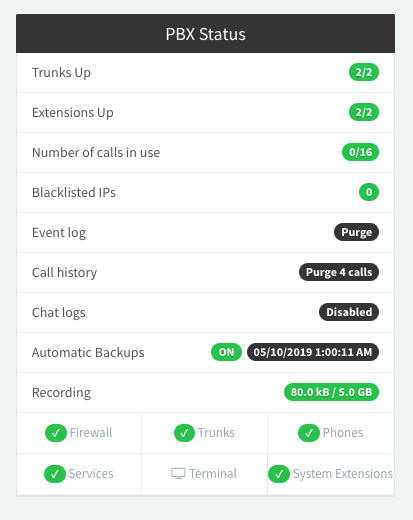
It is crucial to monitor your self-hosted PBX system regularly for any unusual activity or issues that may arise. By keeping a close eye on the system, you can proactively identify and address potential problems before they escalate, ensuring smooth and uninterrupted communication within your organisation. Monitoring for unusual activity also helps in detecting any security breaches or unauthorized access attempts, allowing you to take immediate action to protect your data and maintain the integrity of your communication network. Stay vigilant and proactive in monitoring your PBX system to ensure its optimal performance and security at all times.
Tags: add or remove extensions, advantages, autonomy, call volume support, communication infrastructure, control, cost savings, cost-effectiveness, customise features, flexibility, hardware requirements, hardware specifications, integrate business applications, level of control, scalability, scale resources, security measures, security patches and enhancements, self hosted pbx, self-hosted pbx systems, storage and processing power, strong authentication methods, traditional pbx systems, update pbx software regularly