
The Benefits of On-Premise IP PBX Systems
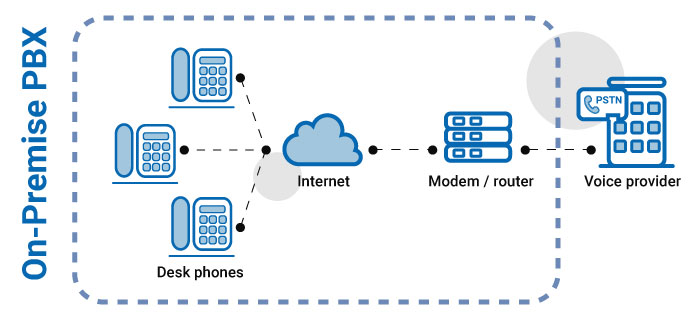
On-premise IP PBX systems have been gaining popularity in the business world due to their numerous benefits and advantages. Unlike traditional PBX systems that require physical hardware on-site, on-premise IP PBX systems rely on internet protocol technology to manage calls and communications.
One of the key benefits of on-premise IP PBX systems is increased control and security. With the system located within your own premises, you have full control over its configuration and management, allowing you to customise it to suit your specific needs and security requirements.
Scalability is another advantage of on-premise IP PBX systems. As your business grows, you can easily expand the system by adding more lines or extensions without relying on a third-party provider. This flexibility ensures that your communication infrastructure can grow alongside your business.
Cost-effectiveness is also a significant factor in favour of on-premise IP PBX systems. While the initial setup costs may be higher compared to hosted solutions, the long-term savings can be substantial as you eliminate monthly subscription fees and reduce dependency on external service providers.
Furthermore, on-premise IP PBX systems offer greater reliability and uptime compared to cloud-based solutions. With the system under your direct control, you can ensure that it is properly maintained and monitored to minimise downtime and disruptions to your communication network.
In conclusion, on-premise IP PBX systems provide businesses with enhanced control, scalability, cost-effectiveness, reliability, and security. By investing in an on-premise solution, businesses can build a robust communication infrastructure that meets their specific requirements and supports their growth objectives.
Understanding On-Premises and Cloud IP PBX: Common Questions Answered
- What is an on-premises PBX?
- What is an on-premise PBX?
- What is a hosted IP PBX?
- What is the difference between cloud PBX and on Prem?
- What is the difference between cloud PBX and on-premises?
What is an on-premises PBX?
An on-premises PBX, also known as an on-premise IP PBX, is a private branch exchange (PBX) system that is located within the physical premises of a business or organisation. Unlike traditional PBX systems that rely on physical hardware to manage internal and external calls, an on-premises PBX utilises internet protocol (IP) technology to handle communication processes. This setup gives businesses greater control over their communication infrastructure, allowing them to customise and manage their phone system according to their specific needs and security requirements.
What is an on-premise PBX?
An on-premise PBX, or Private Branch Exchange, is a communication system that is physically located within an organisation’s premises. Unlike traditional PBX systems that rely on physical hardware, an on-premise PBX utilises internet protocol (IP) technology to manage and route calls internally. This setup allows businesses to have full control over their communication infrastructure, enabling them to customise and tailor the system according to their specific needs and security requirements. By housing the PBX system on-site, businesses can enjoy increased control, scalability, cost-effectiveness, reliability, and security in managing their internal and external communications effectively.
What is a hosted IP PBX?
A hosted IP PBX, also known as a cloud-based PBX, is a communication system where the service provider hosts and manages the PBX system off-site in a secure data centre. With a hosted IP PBX, businesses do not need to invest in on-premise hardware or software as all the necessary equipment is maintained by the service provider. This setup allows businesses to access advanced telephony features and functionalities over the internet without the need for physical infrastructure on their premises. Hosted IP PBX systems are popular for their scalability, flexibility, and cost-effectiveness, making them an attractive option for businesses looking to streamline their communication processes without the complexities of managing an on-premise system.
What is the difference between cloud PBX and on Prem?
When considering the difference between cloud PBX and on-premise IP PBX systems, it ultimately comes down to where the system is located and how it is managed. Cloud PBX, also known as hosted PBX, involves a third-party provider hosting and managing the phone system off-site in the cloud. On the other hand, on-premise IP PBX systems are physically located within the premises of the user’s business, giving them full control over configuration and management. While cloud PBX offers flexibility and scalability without the need for on-site hardware maintenance, on-premise solutions provide businesses with greater control over security, customisation, and long-term cost management. The choice between cloud PBX and on-premise IP PBX depends on factors such as budget, security requirements, scalability needs, and desired level of control over the communication infrastructure.
What is the difference between cloud PBX and on-premises?
When considering the difference between cloud PBX and on-premises systems, it ultimately comes down to where the phone system is located and managed. Cloud PBX, as the name suggests, operates in the cloud, meaning that all hardware and software are hosted off-site by a third-party provider. On the other hand, on-premises IP PBX systems are physically located within the premises of the business, giving users direct control over their communication infrastructure. While cloud PBX offers flexibility and scalability without the need for on-site maintenance, on-premises systems provide businesses with greater control over security, customisation, and long-term cost savings. Understanding these distinctions can help businesses make informed decisions when selecting the most suitable phone system for their specific needs.
Tags: advantages, benefits, cloud-based solutions, control, cost-effectiveness, on premise ip pbx, on-premise ip pbx systems, reliability, scalability, security, uptime