
Exploring the Benefits of Mobile Unified Communications
In today’s fast-paced business environment, staying connected is essential for productivity and efficiency. Mobile unified communications (UC) has emerged as a powerful solution that enables seamless communication across various devices and platforms.
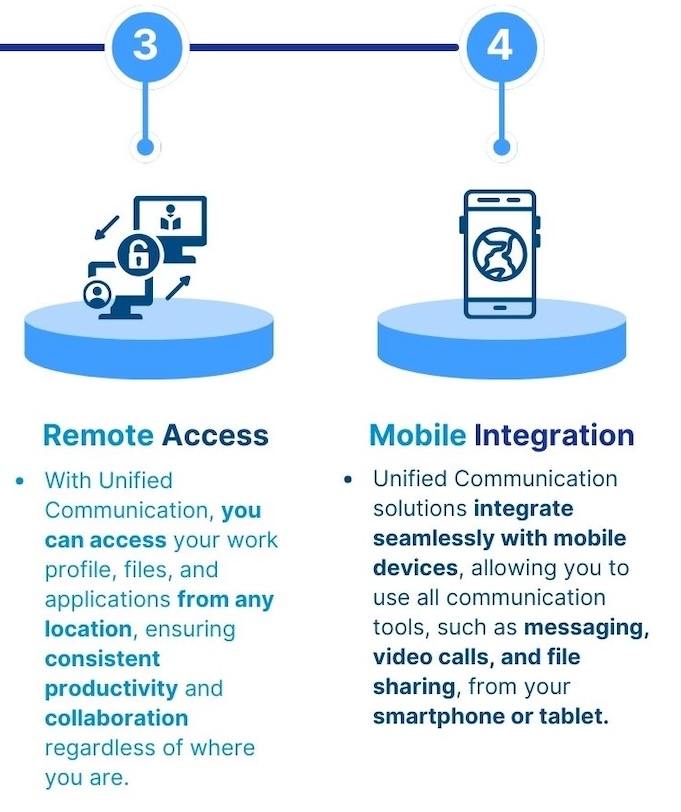
Mobile UC integrates voice, messaging, video conferencing, and collaboration tools into a single platform that can be accessed from smartphones, tablets, and laptops. This convergence of communication channels allows employees to communicate effectively regardless of their location or device.
One of the key benefits of mobile UC is improved flexibility and mobility. With mobile UC solutions, employees can stay connected on the go, whether they are working from home, travelling for business, or attending meetings outside the office. This flexibility not only enhances productivity but also enables better work-life balance.
Another advantage of mobile UC is enhanced collaboration. By providing access to real-time communication and collaboration tools, mobile UC fosters teamwork and innovation within organisations. Employees can easily share files, conduct virtual meetings, and collaborate on projects in real time, leading to faster decision-making and improved outcomes.
Security is a top priority in today’s digital landscape, and mobile UC solutions offer robust security features to protect sensitive data and communications. Encryption protocols, multi-factor authentication, and remote wipe capabilities help safeguard information transmitted through mobile UC platforms.
Furthermore, mobile UC can help businesses reduce costs by consolidating communication services into a single platform. By eliminating the need for multiple communication tools and streamlining processes, organisations can achieve cost savings while improving operational efficiency.
In conclusion, mobile unified communications are revolutionising the way businesses communicate and collaborate in today’s digital age. By leveraging the power of mobile UC solutions, organisations can enhance productivity, foster collaboration, improve security measures, and reduce costs. Embracing mobile UC is not just a technological advancement but a strategic decision that can drive success in an increasingly connected world.
Seven Advantages of Mobile Unified Communications: Enhancing Flexibility, Collaboration, and Productivity
- Enhanced flexibility and mobility for employees
- Improved collaboration and teamwork within organisations
- Access to real-time communication tools from anywhere
- Robust security features to protect sensitive data and communications
- Cost savings by consolidating communication services into a single platform
- Increased productivity through streamlined communication processes
- Better work-life balance for employees with remote working capabilities
Challenges of Mobile Unified Communications: Navigating Distractions, Compatibility, Security, Connectivity, Learning Curves, and Information Overload
- Potential for increased distractions and interruptions due to constant connectivity.
- Compatibility issues with certain devices or operating systems may arise.
- Concerns about data security and privacy breaches in mobile UC platforms.
- Reliance on stable internet connection for seamless communication, which can be challenging in remote areas.
- Learning curve for employees transitioning to new mobile UC tools and interfaces.
- Risk of information overload from the influx of messages and notifications across multiple channels.
Enhanced flexibility and mobility for employees
Enhanced flexibility and mobility for employees is a significant advantage of mobile unified communications. By enabling seamless access to communication tools across various devices and locations, employees can stay connected and productive whether they are in the office, working remotely, or on the go. This flexibility not only improves work-life balance but also empowers employees to collaborate effectively regardless of their physical location, ultimately boosting efficiency and productivity within the organisation.
Improved collaboration and teamwork within organisations
Mobile unified communications offer a significant advantage in improving collaboration and teamwork within organisations. By providing seamless access to real-time communication tools and collaboration platforms across various devices, mobile UC empowers employees to work together efficiently regardless of their location or time zone. This enhanced connectivity enables teams to share ideas, collaborate on projects, and make decisions quickly, leading to increased productivity and innovation. With mobile UC, organisations can break down communication barriers and create a more cohesive and dynamic work environment that fosters teamwork and drives success.
Access to real-time communication tools from anywhere
With mobile unified communications, users have the advantage of accessing real-time communication tools from anywhere, enabling seamless connectivity and collaboration regardless of their location. This flexibility empowers employees to stay productive and engaged whether they are working remotely, travelling for business, or on-the-go. By providing instant access to messaging, video conferencing, and other communication features on mobile devices, organisations can enhance efficiency and responsiveness while breaking down geographical barriers for effective teamwork and decision-making.
Robust security features to protect sensitive data and communications
Mobile unified communications offer robust security features to safeguard sensitive data and communications, ensuring that confidential information remains protected from potential threats. Encryption protocols, multi-factor authentication, and remote wipe capabilities are among the security measures integrated into mobile UC platforms. These advanced security features provide peace of mind to users, knowing that their data is secure and their communications are encrypted, even when accessed remotely or across different devices. By prioritising security in mobile UC solutions, businesses can mitigate risks and maintain the integrity of their communication networks in an increasingly digital and interconnected world.
Cost savings by consolidating communication services into a single platform
One significant advantage of mobile unified communications is the potential for cost savings achieved through consolidating communication services into a single platform. By centralising various communication tools such as voice, messaging, video conferencing, and collaboration features, businesses can streamline their processes and reduce the expenses associated with maintaining multiple systems. This consolidation not only leads to direct cost savings but also improves operational efficiency, as employees can access all necessary communication tools from one unified platform, ultimately maximising the value of their investment in a more streamlined and cost-effective manner.
Increased productivity through streamlined communication processes
Mobile unified communications offer a significant advantage in increased productivity by streamlining communication processes. By consolidating various communication channels into a single platform accessible on mobile devices, employees can easily connect with colleagues, clients, and partners without the need to switch between different applications or devices. This seamless integration of voice calls, messaging, video conferencing, and collaboration tools enables faster decision-making, reduced response times, and improved efficiency in daily tasks. As a result, organisations that embrace mobile unified communications can enhance productivity levels across their workforce and achieve better outcomes in their operations.
Better work-life balance for employees with remote working capabilities
Mobile unified communications offer a significant advantage by promoting better work-life balance for employees through remote working capabilities. By enabling seamless communication and collaboration regardless of location, employees can work from home or other remote settings without sacrificing productivity or connectivity. This flexibility allows individuals to better manage their personal and professional responsibilities, leading to improved job satisfaction and overall well-being. With mobile UC, employees can achieve a more harmonious balance between work and personal life, ultimately enhancing their performance and engagement in the workplace.
Potential for increased distractions and interruptions due to constant connectivity.
One significant drawback of mobile unified communications is the potential for increased distractions and interruptions stemming from constant connectivity. With employees being reachable at all times through various communication channels, such as calls, messages, and notifications, there is a risk of work-life balance being compromised. The constant influx of information can lead to difficulties in focusing on tasks, decreased productivity, and heightened stress levels. Additionally, the expectation of immediate responses may blur boundaries between work and personal time, impacting overall well-being and mental health. Striking a balance between staying connected and setting boundaries to minimise distractions is crucial in maximising the benefits of mobile unified communications while mitigating its negative effects.
Compatibility issues with certain devices or operating systems may arise.
One significant drawback of mobile unified communications is the potential for compatibility issues with certain devices or operating systems. As technology evolves rapidly, not all devices or platforms may seamlessly integrate with mobile UC solutions, leading to challenges in communication and collaboration. These compatibility issues can result in disruptions in workflow, hindered productivity, and frustration among users who may not be able to fully leverage the benefits of mobile UC. Addressing and resolving these compatibility issues is crucial to ensure a smooth and efficient communication experience for all users involved.
Concerns about data security and privacy breaches in mobile UC platforms.
In the realm of mobile unified communications, a pressing con that raises significant concerns is the issue of data security and privacy breaches within mobile UC platforms. As organisations increasingly rely on these interconnected communication solutions, there is a heightened risk of sensitive information being compromised or accessed by unauthorized parties. The potential for data leaks, cyber attacks, and privacy breaches poses a serious threat to businesses and individuals alike, highlighting the critical importance of implementing robust security measures and stringent protocols to safeguard confidential data transmitted through mobile UC platforms.
Reliance on stable internet connection for seamless communication, which can be challenging in remote areas.
One significant drawback of mobile unified communications is the reliance on a stable internet connection for seamless communication, which can pose challenges in remote areas. In regions with limited connectivity or unreliable network coverage, maintaining consistent communication through mobile UC platforms becomes difficult. This dependency on a strong internet connection can lead to disruptions in voice calls, video conferences, and real-time collaboration, hindering productivity and creating frustration for users operating in remote locations. Organizations operating in such areas may need to implement alternative communication strategies or invest in infrastructure improvements to overcome this con of mobile unified communications.
Learning curve for employees transitioning to new mobile UC tools and interfaces.
One significant drawback of mobile unified communications is the learning curve that employees may face when transitioning to new UC tools and interfaces. Adapting to unfamiliar platforms and features can be challenging for some staff members, leading to potential resistance and a temporary decrease in productivity as they navigate the new technology. Training and support are crucial during this transition period to help employees overcome the learning curve effectively and ensure a smooth integration of mobile UC into their daily workflow.
Risk of information overload from the influx of messages and notifications across multiple channels.
One significant drawback of mobile unified communications is the risk of information overload stemming from the constant influx of messages and notifications across multiple channels. With employees receiving emails, instant messages, calls, and notifications from various platforms on their mobile devices, it can be overwhelming to manage and prioritise communication effectively. This barrage of information can lead to distractions, decreased focus, and ultimately hinder productivity as individuals struggle to sift through the sheer volume of messages vying for their attention. Balancing the benefits of seamless communication with the challenge of information overload is a critical consideration for organisations implementing mobile unified communications strategies.
Tags: benefits, collaboration tools, communication, cost savings, devices, efficiency, encryption protocols, flexibility, improved outcomes, integration, location, messaging, mobile unified communications, mobility, multi-factor authentication, platforms, productivity, security features, video conferencing, voice