
CUCM Disaster Recovery: Ensuring Business Continuity
In today’s digital age, communication is key to the success of any business. Cisco Unified Communications Manager (CUCM) plays a crucial role in facilitating seamless communication within organisations. However, like any other system, CUCM is vulnerable to unexpected disasters that can disrupt operations.
Implementing a robust disaster recovery plan for CUCM is essential to ensure business continuity in the face of unforeseen events such as hardware failures, natural disasters, or cyber-attacks. A well-designed disaster recovery strategy can help minimise downtime and prevent data loss, allowing businesses to quickly resume normal operations.
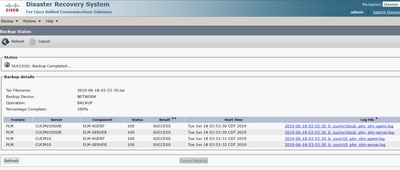
There are several key components to consider when setting up a CUCM disaster recovery plan. These include regular backups of CUCM configurations and databases, redundant hardware and network infrastructure, failover mechanisms for critical components, and clear documentation of recovery procedures.
Testing the disaster recovery plan regularly is also crucial to identify any potential weaknesses and ensure that all systems are functioning as intended. By conducting simulated disaster scenarios and evaluating the response of the recovery plan, organisations can fine-tune their strategies and improve their readiness for real emergencies.
Furthermore, partnering with experienced IT professionals or managed service providers can provide valuable expertise and support in developing and maintaining a comprehensive disaster recovery plan for CUCM. These experts can offer insights into best practices, recommend suitable backup solutions, and assist in implementing effective recovery strategies.
Ultimately, investing in a robust disaster recovery plan for CUCM is an investment in the resilience and sustainability of your business. By proactively preparing for potential disruptions, organisations can safeguard their communication infrastructure and maintain uninterrupted services for employees, customers, and stakeholders.
Essential Tips for Effective CUCM Disaster Recovery: A Guide to Ensuring Business Continuity
- Regularly backup your CUCM database and configuration
- Store backups in a secure location, preferably off-site
- Document your disaster recovery plan and procedures
- Test your disaster recovery plan regularly to ensure it works effectively
- Consider using virtualization for easier recovery processes
- Keep a record of important contact information for support and vendors
- Train staff on their roles during a disaster recovery situation
- Monitor system health regularly to catch issues early on
- Consider implementing redundant systems for critical components
Regularly backup your CUCM database and configuration
Regularly backing up your CUCM database and configuration is a critical aspect of disaster recovery planning. By maintaining up-to-date backups of your CUCM data, you can safeguard against potential data loss in the event of system failures or unforeseen disasters. These backups serve as a safety net, allowing you to restore your CUCM configurations quickly and efficiently, minimising downtime and ensuring business continuity. Consistent backup practices are essential for protecting the integrity of your communication infrastructure and preserving the seamless operation of your organisation’s vital communication systems.
Store backups in a secure location, preferably off-site
Storing backups in a secure location, preferably off-site, is a critical tip for Cisco Unified Communications Manager (CUCM) disaster recovery. By keeping backups in a separate location from the primary system, businesses can safeguard their data against physical damage or loss caused by on-site disasters such as fires, floods, or theft. Off-site storage also provides an added layer of security against cyber threats and ensures that critical information remains accessible even if the main infrastructure is compromised. This best practice enhances the resilience of CUCM disaster recovery plans and helps organisations maintain continuity in communication services during challenging times.
Document your disaster recovery plan and procedures
Documenting your disaster recovery plan and procedures is a critical step in ensuring the effectiveness of your CUCM disaster recovery strategy. Clear and detailed documentation provides a roadmap for responding to emergencies, guiding your team through the necessary steps to restore communication systems swiftly and efficiently. By documenting your plan, you not only enhance preparedness but also enable seamless execution during high-stress situations, ultimately minimising downtime and mitigating potential losses.
Test your disaster recovery plan regularly to ensure it works effectively
Regularly testing your disaster recovery plan for Cisco Unified Communications Manager (CUCM) is crucial to ensure its effectiveness in times of need. By conducting routine tests and simulations, you can identify any potential weaknesses or gaps in your recovery strategy and address them proactively. Testing allows you to validate the functionality of backup systems, evaluate the response time of recovery procedures, and ensure that all critical components are functioning as intended. This proactive approach not only enhances the reliability of your disaster recovery plan but also boosts your organisation’s readiness to swiftly recover from any unforeseen events that may impact your CUCM system.
Consider using virtualization for easier recovery processes
When planning for Cisco Unified Communications Manager (CUCM) disaster recovery, a valuable tip to consider is leveraging virtualization technology. By virtualizing CUCM infrastructure, businesses can simplify and expedite the recovery process in the event of a disaster. Virtualization offers benefits such as easy scalability, resource efficiency, and the ability to create snapshots for quick backups and restores. This approach enhances flexibility and resilience, enabling organisations to swiftly recover their communication systems and minimise downtime, ultimately ensuring smoother continuity of operations during critical situations.
Keep a record of important contact information for support and vendors
In the realm of CUCM disaster recovery, a crucial tip is to maintain a comprehensive record of essential contact details for support teams and vendors. Having quick access to this information can significantly expedite the recovery process in times of crisis. By documenting key contacts for technical assistance, service providers, and equipment suppliers, organisations can ensure prompt communication and swift resolution of issues, ultimately minimising downtime and mitigating the impact of disruptions on business operations.
Train staff on their roles during a disaster recovery situation
Training staff on their roles during a disaster recovery situation is a critical aspect of ensuring the effectiveness of a CUCM disaster recovery plan. By educating employees on their specific responsibilities and actions to take in the event of an emergency, organisations can enhance coordination, communication, and overall response efficiency. This proactive approach not only empowers staff to act swiftly and decisively during a crisis but also instils confidence and readiness across the entire workforce, contributing to a smoother and more successful recovery process.
Monitor system health regularly to catch issues early on
Monitoring the health of your Cisco Unified Communications Manager (CUCM) system regularly is a crucial tip for effective disaster recovery planning. By keeping a close eye on system performance metrics, network traffic, and hardware status, you can detect potential issues early on and address them before they escalate into major problems. Proactive monitoring allows you to identify vulnerabilities, bottlenecks, or anomalies that could impact the stability and reliability of your communication infrastructure, helping you maintain optimal system health and readiness for any unforeseen disasters.
Consider implementing redundant systems for critical components
When devising a disaster recovery plan for Cisco Unified Communications Manager (CUCM), it is advisable to consider incorporating redundant systems for critical components. By implementing backup systems for essential elements of CUCM, such as servers, network infrastructure, or databases, businesses can enhance their resilience against potential failures and disruptions. Redundant systems can help ensure continuity of communication services during unexpected events, minimising downtime and maintaining operational efficiency.
Tags: backup solutions, backup strategies, business continuity, cisco unified communications manager, communication, cucm disaster recovery, cyber attacks, data loss prevention, disaster recovery plan, failover mechanisms, hardware failures, it professionals, managed service providers, natural disasters, network infrastructure, recovery procedures, redundant hardware, resilience, simulated scenarios, sustainability, testing plan