
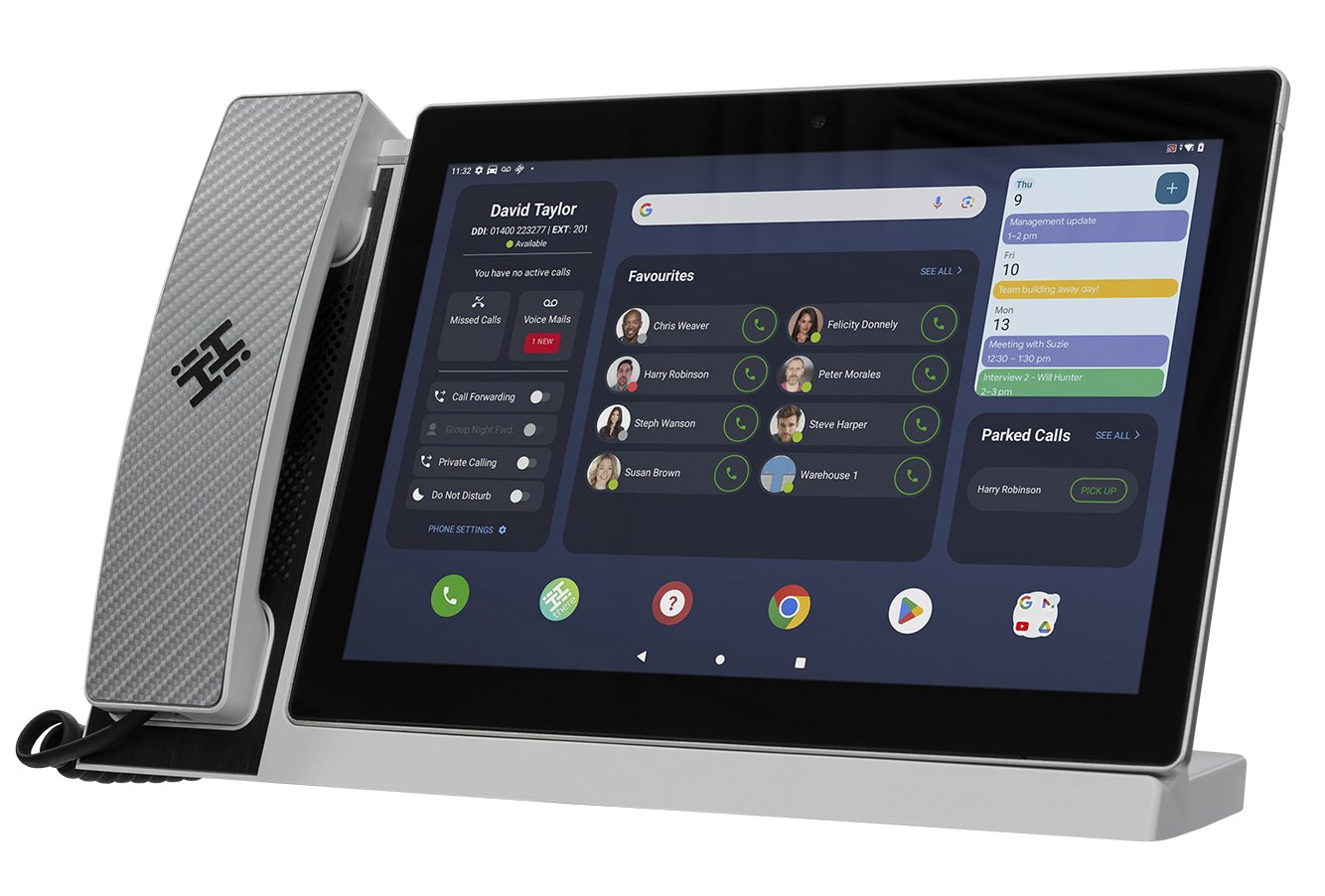
The Cost of Phone Systems for Small Businesses
Communication is a vital aspect of running a successful small business. Having a reliable phone system in place is crucial for staying connected with customers, suppliers, and employees. However, many small business owners are often concerned about the cost implications of implementing a phone system.
When considering the cost of a phone system for your small business, there are several factors to take into account:
- Initial Setup Costs: This includes the cost of purchasing the necessary hardware such as phones, routers, and switches.
- Installation Costs: If you require professional installation services, this will add to the total cost.
- Monthly Service Fees: Most phone systems come with monthly service fees that cover features such as call forwarding, voicemail, and conference calling.
- Long-Term Maintenance Costs: It’s important to factor in ongoing maintenance costs to ensure your phone system remains operational and up-to-date.
Fortunately, there are affordable options available for small businesses looking to implement a phone system. Cloud-based VoIP (Voice over Internet Protocol) systems have become increasingly popular due to their cost-effectiveness and flexibility. With VoIP, calls are made over the internet rather than traditional phone lines, reducing long-distance call charges and eliminating the need for costly hardware.
In addition to cost savings, VoIP systems offer a range of features that can benefit small businesses, such as virtual receptionists, call routing, and mobile integration. These features can enhance communication efficiency and improve customer service without breaking the bank.
Ultimately, investing in a reliable phone system is an essential part of building a successful small business. By carefully considering your budget and exploring cost-effective options like VoIP systems, you can find a solution that meets your communication needs without exceeding your financial resources.
Cost Considerations for Small Business Phone Systems: FAQs Answered
- What are the initial setup costs involved in implementing a phone system for a small business?
- Are there any installation costs associated with setting up a phone system for a small business?
- What are the typical monthly service fees for a phone system tailored to small businesses?
- How can small businesses manage long-term maintenance costs of their phone systems?
- What are the advantages of opting for a cloud-based VoIP system in terms of cost savings?
- Do VoIP systems offer features that can benefit small businesses without increasing costs significantly?
- How can small businesses ensure that they stay within budget when investing in a phone system?
- Are there any financing options available to help small businesses afford the implementation of a new phone system?
What are the initial setup costs involved in implementing a phone system for a small business?
When considering the initial setup costs involved in implementing a phone system for a small business, it is essential to factor in expenses such as purchasing hardware like phones, routers, and switches. Additionally, there may be installation costs if professional services are required to set up the system effectively. These upfront investments are crucial for establishing a reliable communication infrastructure that supports the daily operations and growth of a small business. By carefully planning and budgeting for these initial setup costs, small business owners can ensure a smooth transition to a functional and efficient phone system that meets their communication needs.
Are there any installation costs associated with setting up a phone system for a small business?
When setting up a phone system for a small business, it is common for installation costs to be a consideration. Depending on the complexity of the system and your specific requirements, there may be installation costs involved. Professional installation services can ensure that your phone system is set up correctly and efficiently, but this service typically comes with an additional cost. It is important to factor in these installation costs when budgeting for your small business phone system to ensure a smooth and seamless setup process.
What are the typical monthly service fees for a phone system tailored to small businesses?
When considering a phone system tailored to small businesses, typical monthly service fees can vary depending on the provider and the features included. On average, small businesses can expect to pay anywhere from £20 to £50 per user per month for a basic phone system with essential features like voicemail, call forwarding, and conference calling. However, more advanced systems with additional functionalities such as CRM integration or call analytics may have higher monthly fees ranging from £50 to £100 per user. It’s important for small business owners to carefully assess their communication needs and budget constraints when selecting a phone system to ensure they are getting the best value for their money.
How can small businesses manage long-term maintenance costs of their phone systems?
Small businesses can effectively manage long-term maintenance costs of their phone systems by adopting proactive strategies and leveraging cost-saving solutions. Regularly scheduled maintenance checks and software updates can help prevent costly system failures and prolong the lifespan of the equipment. Additionally, opting for a cloud-based VoIP system can significantly reduce maintenance costs as service providers handle software updates and system upgrades remotely. Small businesses can also consider investing in a maintenance agreement with a trusted provider to ensure timely repairs and technical support, ultimately minimising downtime and maximising the efficiency of their phone systems in a cost-effective manner.
What are the advantages of opting for a cloud-based VoIP system in terms of cost savings?
Opting for a cloud-based VoIP system for your small business can offer significant cost savings compared to traditional phone systems. One key advantage is the reduction in long-distance call charges, as VoIP calls are transmitted over the internet rather than through traditional phone lines. Additionally, cloud-based VoIP systems eliminate the need for expensive hardware investments, as calls are made using existing internet connections. Maintenance costs are also lower with VoIP systems, as updates and troubleshooting can often be done remotely by service providers. Overall, the affordability and flexibility of cloud-based VoIP make it a cost-effective choice for small businesses looking to enhance their communication capabilities without breaking the bank.
Do VoIP systems offer features that can benefit small businesses without increasing costs significantly?
VoIP systems offer a wide range of features that can greatly benefit small businesses without significantly increasing costs. These systems provide cost-effective solutions for communication needs, such as virtual receptionists, call routing, and mobile integration. By utilising VoIP technology, small businesses can enjoy enhanced communication efficiency and improved customer service without the hefty price tag associated with traditional phone systems. The flexibility and scalability of VoIP systems make them an ideal choice for small businesses looking to maximise their communication capabilities while keeping costs in check.
How can small businesses ensure that they stay within budget when investing in a phone system?
To ensure that small businesses stay within budget when investing in a phone system, careful planning and research are essential. Firstly, it is important for small business owners to assess their communication needs and determine the features that are essential for their operations. By prioritising key functionalities and avoiding unnecessary add-ons, businesses can avoid overspending on a phone system. Additionally, exploring cost-effective options such as cloud-based VoIP systems can help small businesses save on upfront hardware costs and reduce monthly service fees. Seeking quotes from multiple providers and negotiating pricing can also help businesses secure a phone system that fits within their budget constraints. Regularly reviewing and monitoring communication expenses can further assist in identifying areas where costs can be optimised to ensure long-term financial sustainability.
Are there any financing options available to help small businesses afford the implementation of a new phone system?
For small businesses seeking to implement a new phone system but concerned about the upfront costs, there are financing options available to help ease the financial burden. Many telecommunications providers offer flexible payment plans or leasing options that allow small businesses to spread out the cost of a new phone system over time. Additionally, some financial institutions may offer loans specifically tailored for investing in communication infrastructure. Exploring these financing options can make it more feasible for small businesses to afford the implementation of a modern and efficient phone system without straining their budget.
Tags: call forwarding, conference calling, cost of phone system for small business, initial setup costs, installation costs, monthly service fees, phones, professional installation services, purchasing hardware, routers, switches, voicemail