
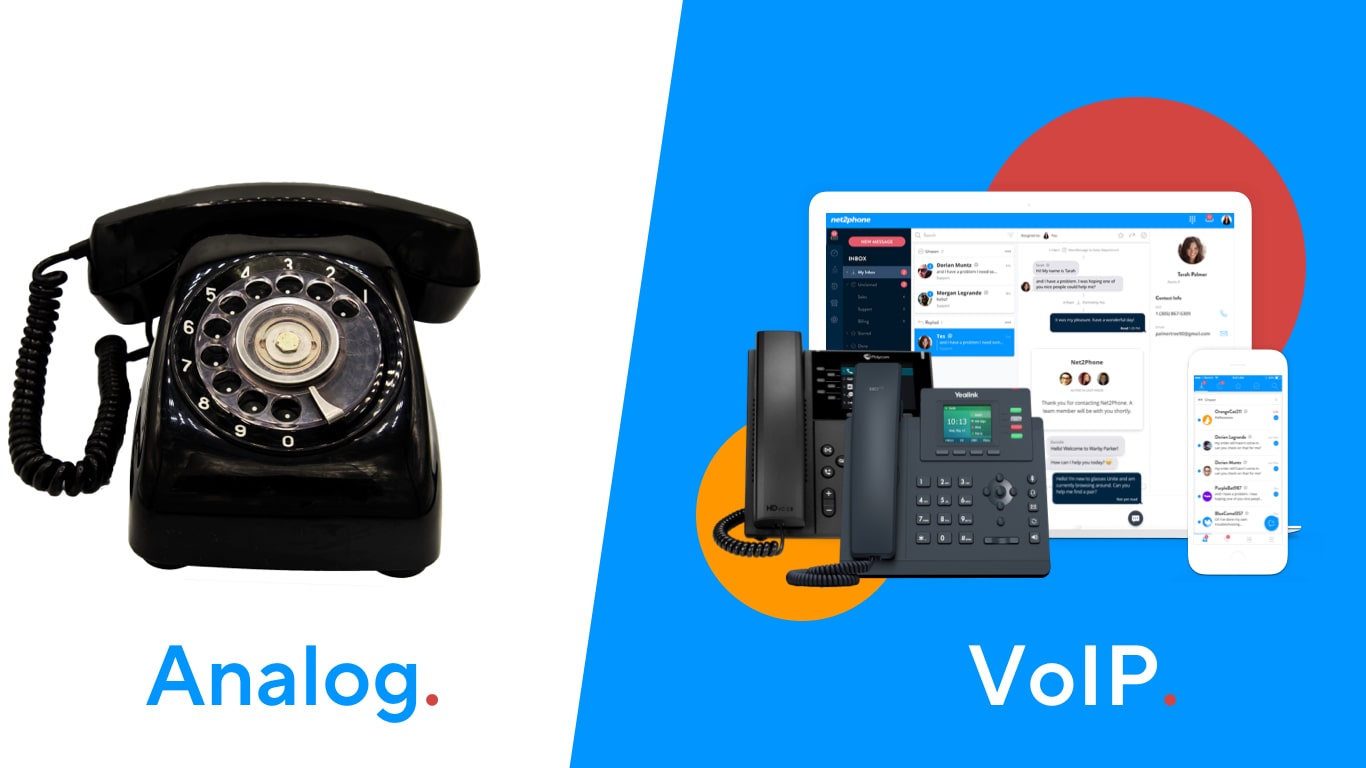
The Benefits of Using an Analog Business Phone System
When it comes to communication in the business world, having a reliable and efficient phone system is essential. While digital technologies have become increasingly popular in recent years, analog business phone systems still offer a range of benefits that make them a viable option for many organisations.
Reliability
One of the key advantages of analog business phone systems is their reliability. Unlike digital systems that can be susceptible to disruptions in internet connectivity or power outages, analog systems operate independently of these factors. This means that even during emergencies or technical issues, you can rely on your analog phone system to keep you connected.
Sound Quality
Analog phone systems are known for their clear and consistent sound quality. This can be particularly important in business settings where communication needs to be precise and easily understandable. With an analog system, you can ensure that your calls are crystal clear, helping to avoid any misunderstandings or miscommunications.
Ease of Use
Another benefit of analog business phone systems is their ease of use. These systems are typically straightforward and intuitive, making them accessible to employees at all levels of technical proficiency. With features such as traditional handsets and physical buttons for call handling, users can quickly adapt to an analog system without the need for extensive training.
Cost-Effectiveness
Compared to some digital alternatives, analog business phone systems can be more cost-effective to implement and maintain. The infrastructure required for analog systems is often simpler and more affordable, making them a budget-friendly option for businesses looking to upgrade their communication capabilities without breaking the bank.
Compatibility
Analog business phone systems are also highly compatible with a wide range of devices and technologies. Whether you need to integrate your phone system with other equipment or software solutions, analog systems offer flexibility and interoperability that can help streamline your operations and enhance productivity.
In conclusion, while digital technologies continue to advance, analog business phone systems remain a reliable and practical choice for many organisations. With their reliability, sound quality, ease of use, cost-effectiveness, and compatibility, analog systems provide a solid foundation for effective communication in the modern workplace.
Seven Advantages of an Analogue Business Phone System: Reliability, Clarity, and Cost-Effectiveness
- Reliable operation independent of internet connectivity
- Clear and consistent sound quality for effective communication
- Ease of use with intuitive features and traditional handsets
- Cost-effective implementation and maintenance compared to digital systems
- Compatibility with a wide range of devices and technologies
- Independence from power outages ensures continuous communication
- Simple infrastructure that is easy to set up and manage
Five Drawbacks of Analogue Business Phone Systems: Scalability, Costs, Features, Accessibility, and Quality
- Limited scalability compared to digital systems
- Higher maintenance costs due to physical infrastructure
- Lack of advanced features such as voicemail-to-email integration
- Difficulty in remote access and mobility options
- Potential for interference and static on the line
Reliable operation independent of internet connectivity
One of the standout advantages of an analog business phone system is its reliable operation that is independent of internet connectivity. Unlike digital systems that may be susceptible to disruptions in internet service, analog phone systems ensure uninterrupted communication even during times of internet outages or technical issues. This inherent reliability makes analog systems a dependable choice for businesses that value consistent and seamless communication without being reliant on internet connectivity for their day-to-day operations.
Clear and consistent sound quality for effective communication
The clear and consistent sound quality offered by analog business phone systems plays a crucial role in facilitating effective communication within organisations. With every call, employees can rely on the crisp and uninterrupted audio transmission provided by analog systems, ensuring that conversations are easily understood and free from distortion. This high-quality sound output enhances clarity and minimises the risk of misunderstandings, enabling seamless communication that fosters productivity and collaboration among team members.
Ease of use with intuitive features and traditional handsets
Analog business phone systems offer a distinct advantage in terms of ease of use, thanks to their intuitive features and traditional handsets. With physical buttons for call handling and familiar handset designs, users can quickly adapt to an analog system without the need for extensive training. This simplicity and user-friendly interface make analog phone systems accessible to employees at all levels of technical proficiency, ensuring seamless communication within the organisation.
Cost-effective implementation and maintenance compared to digital systems
Analog business phone systems offer a cost-effective solution for organisations looking to upgrade their communication infrastructure. In comparison to digital systems, the implementation and maintenance of analog systems are often more affordable. The simplicity of the infrastructure required for analog systems translates to lower upfront costs and reduced ongoing maintenance expenses. This cost-effectiveness makes analog business phone systems an attractive option for businesses seeking reliable communication solutions without straining their budget.
Compatibility with a wide range of devices and technologies
Analog business phone systems offer a significant advantage in their compatibility with a diverse array of devices and technologies. This flexibility allows businesses to seamlessly integrate their phone systems with various equipment and software solutions, enhancing overall efficiency and productivity. Whether it’s connecting to traditional handsets, fax machines, or even modern VoIP systems, analog systems provide a versatile communication platform that can adapt to the evolving needs of the workplace.
Independence from power outages ensures continuous communication
One significant advantage of using an analog business phone system is its independence from power outages, guaranteeing uninterrupted communication. Unlike digital systems that rely on internet connectivity or electricity to function, analog systems operate autonomously, ensuring that businesses can stay connected even during emergencies or technical disruptions. This reliability in maintaining communication channels regardless of power failures makes analog phone systems a dependable choice for organisations seeking continuous and seamless connectivity.
Simple infrastructure that is easy to set up and manage
One of the key advantages of using an analog business phone system is its simple infrastructure, which is easy to set up and manage. Unlike more complex digital systems that may require specialised expertise and intricate configurations, analog systems typically involve straightforward installation processes and minimal maintenance. This simplicity not only reduces the time and resources needed to get the phone system up and running but also makes it easier for businesses to handle day-to-day management tasks without extensive technical knowledge.
Limited scalability compared to digital systems
One significant drawback of analog business phone systems is their limited scalability when compared to digital systems. As businesses grow and evolve, they often require the flexibility to expand their communication infrastructure to accommodate increasing demands. Analog systems can be more challenging and costly to scale up, as they may involve physical wiring and hardware adjustments. In contrast, digital systems offer greater scalability through virtual configurations and software-based solutions, allowing businesses to easily adapt to changing needs without the constraints of traditional analog limitations.
Higher maintenance costs due to physical infrastructure
One significant drawback of analog business phone systems is the higher maintenance costs associated with their physical infrastructure. Unlike digital systems that rely on virtual components and software updates, analog systems require regular upkeep of physical equipment such as wiring, handsets, and traditional PBX systems. This can result in increased expenses for businesses in terms of repairs, replacements, and general maintenance to ensure the smooth operation of their analog phone system. The need for physical infrastructure maintenance can add complexity and financial burden to managing an analog system compared to more streamlined digital alternatives.
Lack of advanced features such as voicemail-to-email integration
One drawback of analog business phone systems is the lack of advanced features, such as voicemail-to-email integration. In today’s fast-paced business environment, seamless communication and efficient information sharing are crucial for productivity. Voicemail-to-email integration allows users to receive voicemail messages directly in their email inbox, enabling them to access and respond to messages quickly and conveniently, even when they are away from their desk. The absence of this feature in analog systems can hinder workflow efficiency and limit the flexibility of communication methods available to businesses.
Difficulty in remote access and mobility options
One significant drawback of analog business phone systems is the challenge they pose in terms of remote access and mobility options. Unlike digital systems that offer features such as VoIP and mobile app integration for seamless communication on the go, analog systems are limited in their ability to support remote work and mobile connectivity. This can hinder employees who need to stay connected outside of the office or require flexibility in their communication methods, potentially impacting productivity and collaboration in today’s dynamic work environments.
Potential for interference and static on the line
One significant drawback of analog business phone systems is the potential for interference and static on the line. Due to the nature of analog signals, external factors such as electromagnetic interference or signal degradation over long distances can lead to poor call quality. This interference can result in crackling noises, static, or dropped calls, which can be frustrating for both callers and recipients. In today’s fast-paced business environment where clear and uninterrupted communication is crucial, the susceptibility of analog phone systems to interference poses a notable challenge that businesses need to consider when evaluating their communication infrastructure options.
Tags: analog business phone system, benefits, compatibility, cost-effectiveness, ease of use, reliability, sound quality