
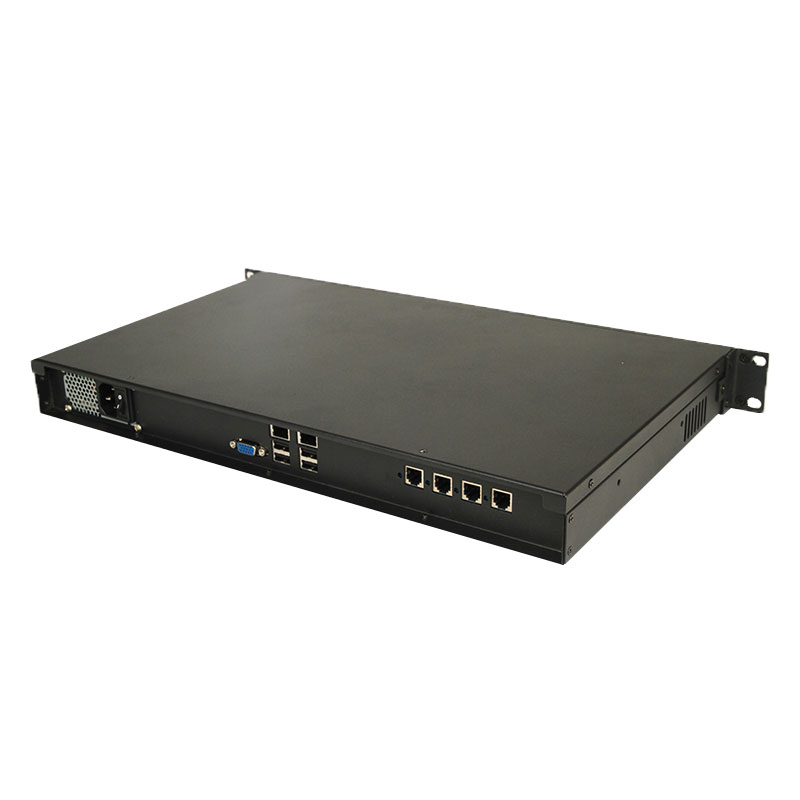
The Power of SIP PBX Servers in Modern Communication
In the realm of modern communication systems, SIP PBX servers have emerged as a powerful tool for businesses and organisations looking to streamline their voice and data services.
SIP, which stands for Session Initiation Protocol, is a signalling protocol used for initiating, maintaining, modifying and terminating real-time sessions that involve video, voice, messaging and other communications applications and services between two or more endpoints on IP networks.
A SIP PBX server acts as the central hub for managing all incoming and outgoing calls within an organisation. It enables features such as call routing, voicemail, conference calling, auto-attendant menus, and more. By leveraging the flexibility and scalability of SIP technology, businesses can create a customised communication system that meets their specific needs.
One of the key advantages of using a SIP PBX server is its cost-effectiveness. Traditional phone systems often require significant hardware investments and ongoing maintenance costs. In contrast, SIP PBX servers can be implemented using software-based solutions that run on existing network infrastructure, reducing upfront expenses and operational overheads.
Furthermore, SIP PBX servers offer enhanced mobility and flexibility for users. Employees can make and receive calls from anywhere with an internet connection, enabling remote work capabilities and improving overall productivity.
Security is another critical aspect of modern communication systems. SIP PBX servers provide robust security features to protect against potential threats such as eavesdropping or unauthorized access. Encryption protocols and authentication mechanisms help safeguard sensitive data transmitted over the network.
In conclusion, SIP PBX servers play a vital role in revolutionising how businesses communicate internally and externally. By harnessing the power of SIP technology, organisations can enhance efficiency, reduce costs, improve collaboration among team members, and deliver superior customer service experiences.
Nine Advantages of SIP PBX Servers: A Cost-Effective and Flexible Communication Solution for Modern Businesses
- Cost-effective solution compared to traditional phone systems.
- Scalable and flexible, allowing for easy expansion as business needs grow.
- Enhanced mobility for users to make and receive calls from anywhere with an internet connection.
- Centralised management of all incoming and outgoing calls within the organisation.
- Improved collaboration through features like conference calling and voicemail.
- Increased security measures to protect against potential threats such as eavesdropping or unauthorized access.
- Integration capabilities with other communication tools and software applications.
- Easy implementation using software-based solutions that run on existing network infrastructure.
- Customisable features to tailor the communication system to meet specific business requirements.
Challenges of SIP PBX Servers: Complex Setup, Internet Dependence, and Compatibility Concerns
- Complex setup and configuration process may require technical expertise
- Reliance on internet connectivity can lead to disruptions in service during network outages
- Compatibility issues with certain hardware or software components may arise
Cost-effective solution compared to traditional phone systems.
Implementing a SIP PBX server offers a cost-effective solution compared to traditional phone systems. Unlike conventional setups that require substantial hardware investments and ongoing maintenance expenses, SIP PBX servers can be deployed using software-based solutions that leverage existing network infrastructure. This approach significantly reduces upfront costs and operational overheads, making it an attractive option for businesses looking to optimise their communication systems without breaking the bank.
Scalable and flexible, allowing for easy expansion as business needs grow.
The scalability and flexibility of SIP PBX servers offer a significant advantage to businesses, enabling easy expansion as their needs evolve and grow. With a SIP PBX server, organisations can seamlessly add new users, lines, or features without the need for extensive hardware upgrades or infrastructure changes. This adaptability ensures that businesses can quickly adjust their communication systems to accommodate increased demands, making it a cost-effective and efficient solution for long-term growth and success.
Enhanced mobility for users to make and receive calls from anywhere with an internet connection.
One of the standout advantages of SIP PBX servers is the enhanced mobility they offer to users. With the ability to make and receive calls from anywhere with an internet connection, employees are no longer tied to their desks. This flexibility enables remote work capabilities, allowing team members to stay connected and productive while on the go. Whether working from home, travelling for business, or simply stepping out of the office, users can seamlessly communicate using SIP PBX servers, enhancing overall efficiency and collaboration within the organisation.
Centralised management of all incoming and outgoing calls within the organisation.
One significant advantage of using a SIP PBX server is the centralised management it provides for all incoming and outgoing calls within the organisation. By serving as the central hub for call routing and handling, a SIP PBX server streamlines communication processes, enhances efficiency, and ensures consistent call quality. This centralised approach allows administrators to easily monitor and control all call activities, implement customised call routing rules, track call metrics, and ensure seamless connectivity across different departments or locations. Overall, the centralised management capability of a SIP PBX server simplifies communication workflows and empowers organisations to deliver a more professional and organised calling experience.
Improved collaboration through features like conference calling and voicemail.
SIP PBX servers offer a significant pro in the form of improved collaboration through features like conference calling and voicemail. These tools enable teams to communicate seamlessly, regardless of their physical location, fostering greater teamwork and efficiency. With conference calling, multiple team members can join a virtual meeting to discuss ideas, share updates, and make decisions in real-time. Voicemail capabilities ensure that important messages are never missed, allowing for prompt responses and smoother workflow coordination. By enhancing collaboration through such features, SIP PBX servers play a crucial role in boosting productivity and enhancing communication within organisations.
Increased security measures to protect against potential threats such as eavesdropping or unauthorized access.
One significant advantage of SIP PBX servers is the implementation of heightened security measures to safeguard against potential threats like eavesdropping and unauthorised access. By utilising encryption protocols and authentication mechanisms, SIP PBX servers ensure that sensitive data transmitted over the network remains protected from malicious entities. This robust security framework not only instils confidence in users regarding the confidentiality of their communications but also helps maintain the integrity of the organisation’s information assets.
Integration capabilities with other communication tools and software applications.
One of the key advantages of SIP PBX servers is their seamless integration capabilities with other communication tools and software applications. By leveraging SIP technology, businesses can easily connect their PBX system with a wide range of applications such as CRM platforms, messaging services, video conferencing tools, and more. This integration enables a unified communication environment where users can access all relevant information and tools from a single interface, enhancing collaboration, productivity, and overall efficiency within the organisation.
Easy implementation using software-based solutions that run on existing network infrastructure.
One notable advantage of SIP PBX servers is their ease of implementation through software-based solutions that can seamlessly integrate with existing network infrastructure. By utilising this approach, businesses can avoid the need for costly hardware investments and complex installations. This streamlined process not only reduces upfront expenses but also facilitates a quicker deployment, allowing organisations to set up and configure their communication system efficiently without disrupting their current operations.
Customisable features to tailor the communication system to meet specific business requirements.
One significant advantage of SIP PBX servers is their customisable features, allowing businesses to tailor their communication systems to meet specific requirements. This flexibility enables organisations to design a communication infrastructure that aligns perfectly with their unique workflows, preferences, and objectives. By customising features such as call routing, voicemail settings, auto-attendant menus, and integration with other applications, businesses can create a bespoke communication solution that enhances efficiency, productivity, and overall operational effectiveness. The ability to adapt and tailor the SIP PBX server to specific business needs empowers organisations to optimise their communication processes and deliver a seamless experience for both employees and customers.
Complex setup and configuration process may require technical expertise
The complexity of setting up and configuring a SIP PBX server can pose a significant challenge for organisations, as it often demands a certain level of technical expertise. The intricacies involved in establishing the server, integrating it with existing systems, and fine-tuning its settings may require specialised knowledge that not all users possess. This can lead to delays in implementation and potential issues if the setup is not done correctly. Seeking assistance from experienced professionals or investing in training for staff members may be necessary to navigate the complexities of the setup and configuration process effectively.
Reliance on internet connectivity can lead to disruptions in service during network outages
One significant drawback of using a SIP PBX server is the reliance on internet connectivity, which can result in service disruptions during network outages. In situations where the internet connection is unstable or unavailable, users may experience difficulties in making or receiving calls, accessing voicemail, or utilising other communication features provided by the SIP PBX server. This dependency on internet connectivity underscores the importance of having robust network infrastructure and backup solutions in place to mitigate the impact of potential disruptions on business operations.
Compatibility issues with certain hardware or software components may arise
Compatibility issues with certain hardware or software components may present a significant challenge when implementing a SIP PBX server. Incompatibilities between the server and existing infrastructure can lead to disruptions in communication services, affecting productivity and user experience. Addressing these compatibility issues may require additional time and resources to troubleshoot and resolve, potentially causing delays in the deployment of the SIP PBX system. It is crucial for businesses to carefully assess their current technology environment and plan accordingly to mitigate potential compatibility issues before integrating a SIP PBX server into their communication network.
Tags: businesses, call routing, central hub, communications applications, conference calling auto-attendant menus, endpoints, incoming calls, ip networks, messaging, modern communication systems, organisations, outgoing calls, real-time sessions, session initiation protocol, signalling protocol, sip, sip pbx servers, streamline, video, voice, voice and data services, voicemail