
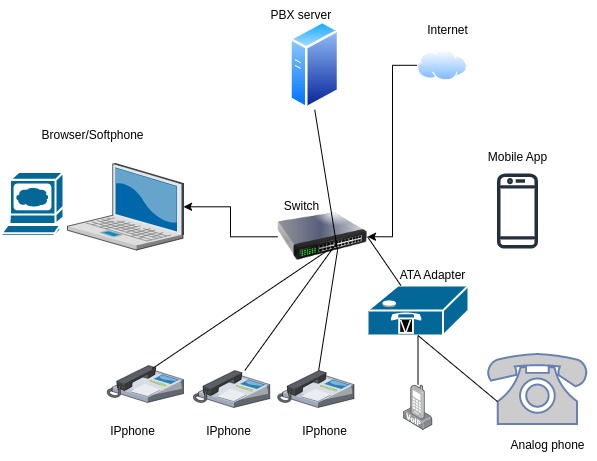
The Benefits of On-Premise VoIP Phone Systems
On-premise VoIP phone systems have become a popular choice for businesses looking to upgrade their communication infrastructure. Unlike traditional phone systems that rely on physical hardware and landlines, on-premise VoIP systems use the internet to transmit voice data.
One of the key benefits of on-premise VoIP phone systems is control. By hosting the system on-site, businesses have full control over their communication network, allowing them to customise features and settings according to their specific needs. This level of control can lead to increased efficiency and productivity.
Security is another advantage of on-premise VoIP systems. With sensitive data being transmitted over the internet, security is a top priority for businesses. By keeping the system in-house, businesses can implement robust security measures to protect their communication network from potential threats.
Scalability is also a major benefit of on-premise VoIP phone systems. As businesses grow and expand, they can easily scale up their communication infrastructure by adding more users or features to the system. This flexibility allows businesses to adapt to changing needs without having to invest in a completely new system.
Cost-effectiveness is another reason why businesses opt for on-premise VoIP phone systems. While there may be higher upfront costs associated with setting up the system, in the long run, businesses can save money on maintenance and service fees compared to traditional phone systems.
In conclusion, on-premise VoIP phone systems offer businesses greater control, security, scalability, and cost-effectiveness compared to traditional phone systems. By investing in an on-premise VoIP system, businesses can enhance their communication capabilities and stay ahead in today’s competitive business landscape.
9 Advantages of On-Premise VoIP Phone Systems: Control, Customisation, and Cost-Effectiveness
- Full control over the communication network
- Customisable features and settings
- Enhanced security measures can be implemented
- Scalability to easily add more users or features
- Cost-effective in the long run
- Reliable performance with on-site hosting
- Integration with existing infrastructure is seamless
- Improved data privacy and compliance adherence
- Reduced reliance on external service providers
Challenges of On-Premise VoIP Systems: Costs, Maintenance, Flexibility, and Downtime Risks
- Higher upfront costs for hardware and setup
- Requires ongoing maintenance and updates by in-house IT staff
- Limited flexibility for remote work compared to cloud-based systems
- Potential risk of system downtime if on-premise infrastructure fails
Full control over the communication network
One of the significant advantages of opting for an on-premise VoIP phone system is the ability to have full control over the communication network. By hosting the system in-house, businesses can customise and tailor the features and settings to meet their specific requirements. This level of control empowers businesses to make real-time adjustments, enhancements, and upgrades to their communication infrastructure, ultimately leading to improved efficiency, productivity, and overall performance.
Customisable features and settings
One significant advantage of on-premise VoIP phone systems is the ability to customise features and settings according to the specific needs of a business. By hosting the system on-site, businesses have full control over tailoring the communication network to suit their unique requirements. This level of customisation empowers businesses to create a communication infrastructure that aligns perfectly with their operations, leading to increased efficiency, productivity, and overall satisfaction among users.
Enhanced security measures can be implemented
One significant advantage of on-premise VoIP phone systems is the ability to implement enhanced security measures. By keeping the system in-house, businesses have greater control over their communication network’s security protocols. This allows them to tailor security measures to their specific needs and requirements, ensuring that sensitive data transmitted over the internet is protected from potential threats. With the ability to customise security features, businesses can create a robust defence system that safeguards their communication infrastructure effectively.
Scalability to easily add more users or features
One of the key advantages of on-premise VoIP phone systems is their scalability, which allows businesses to effortlessly add more users or features to the system as needed. This flexibility enables businesses to adapt to changing requirements and grow their communication infrastructure without the need for a complete overhaul. Whether it’s expanding the user base or integrating new features, on-premise VoIP systems provide a seamless and cost-effective solution for businesses looking to scale up their communication capabilities.
Cost-effective in the long run
One significant advantage of on-premise VoIP phone systems is their cost-effectiveness in the long run. While there may be higher initial setup costs, businesses can save money over time on maintenance and service fees compared to traditional phone systems. By investing in an on-premise VoIP system, businesses can enjoy long-term savings while still benefiting from a robust and customisable communication infrastructure tailored to their specific needs.
Reliable performance with on-site hosting
One of the key advantages of on-premise VoIP phone systems is their reliable performance with on-site hosting. By hosting the system in-house, businesses can ensure a stable and consistent communication network that is not dependent on external factors. This results in reliable call quality, minimal downtime, and enhanced overall performance, providing businesses with the peace of mind that their communication infrastructure is secure and dependable.
Integration with existing infrastructure is seamless
One significant advantage of on-premise VoIP phone systems is their seamless integration with existing infrastructure. By hosting the system on-site, businesses can easily integrate their VoIP system with other communication tools and software already in place. This seamless integration ensures a smooth transition to the new system, minimising disruptions and allowing businesses to leverage their current infrastructure investments effectively.
Improved data privacy and compliance adherence
One significant advantage of on-premise VoIP phone systems is the enhanced data privacy and compliance adherence they offer. By keeping the system within the business premises, companies can have greater control over their data security measures and ensure that sensitive information is protected. This level of control enables businesses to meet strict regulatory requirements and industry standards, enhancing overall data privacy and ensuring compliance with relevant laws and regulations.
Reduced reliance on external service providers
One significant advantage of on-premise VoIP phone systems is the reduced reliance on external service providers. By hosting the system in-house, businesses have more autonomy and control over their communication infrastructure. This independence allows businesses to troubleshoot issues quickly and efficiently without having to wait for external service providers to resolve them. Additionally, businesses can customise and maintain their system according to their specific needs, leading to increased efficiency and cost savings in the long run.
Higher upfront costs for hardware and setup
One significant drawback of on-premise VoIP phone systems is the higher upfront costs associated with hardware and setup. Setting up an on-premise system requires investing in physical hardware, such as servers, routers, and IP phones, as well as the necessary infrastructure to support the system. Additionally, businesses may need to hire IT professionals to install and configure the system, leading to additional setup costs. These initial expenses can be a barrier for some businesses looking to adopt on-premise VoIP technology, especially those with limited budgets or resources.
Requires ongoing maintenance and updates by in-house IT staff
One significant drawback of on-premise VoIP phone systems is the requirement for ongoing maintenance and updates by in-house IT staff. Managing and troubleshooting the system can be time-consuming and resource-intensive, as IT personnel need to stay up-to-date with software updates, security patches, and hardware maintenance tasks. This constant need for technical support can place a strain on internal resources and may lead to disruptions in communication services if not managed effectively.
Limited flexibility for remote work compared to cloud-based systems
One significant drawback of on-premise VoIP phone systems is their limited flexibility for remote work when compared to cloud-based systems. With on-premise systems, employees may face challenges accessing the phone system outside of the office environment. This can hinder productivity and communication efficiency, especially in today’s increasingly remote and flexible work settings. Cloud-based VoIP systems, on the other hand, offer seamless remote access to communication tools, enabling employees to stay connected and collaborate effectively from anywhere with an internet connection.
Potential risk of system downtime if on-premise infrastructure fails
One significant drawback of on-premise VoIP phone systems is the potential risk of system downtime if the on-premise infrastructure fails. Unlike cloud-based systems that are hosted off-site and managed by third-party providers, on-premise systems rely on the local infrastructure of the business. If there is a power outage, hardware failure, or other technical issues with the on-premise infrastructure, it can lead to disruptions in communication and productivity for the business. Implementing robust backup solutions and maintenance protocols is crucial to mitigate this risk and ensure continuity of communication services.
Tags: control, cost-effectiveness, customisable features, enhanced security measures, on premise voip phone system, scalability, scalability to add more users or features, security