Exploring the Benefits of Managed Unified Communications
In today’s fast-paced business environment, effective communication is key to success. Managed unified communications offer a comprehensive solution that integrates various communication tools and platforms into a single, streamlined system. This approach not only enhances collaboration among team members but also improves overall productivity and efficiency.
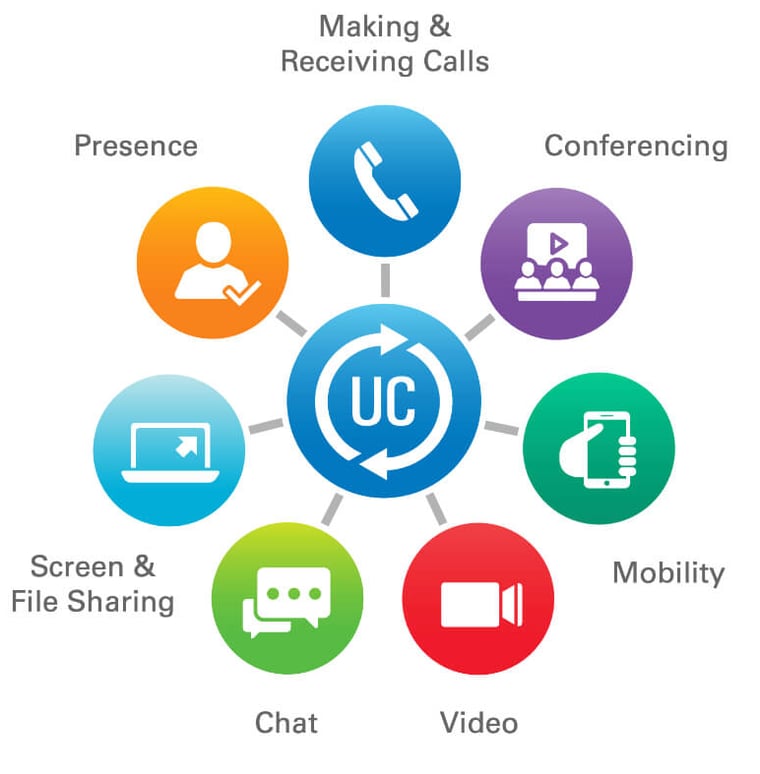
One of the main benefits of managed unified communications is the ability to centralise all communication channels, such as voice calls, video conferencing, instant messaging, and email, into one platform. This consolidation eliminates the need for multiple applications and simplifies the user experience.
By opting for a managed unified communications service, businesses can enjoy features such as real-time collaboration tools, mobile integration, and seamless connectivity across different devices. This flexibility allows employees to work from anywhere at any time, increasing productivity and enabling remote teamwork.
Managed unified communications also provide advanced security features to protect sensitive data and ensure compliance with regulations. With built-in encryption protocols and secure access controls, businesses can communicate confidently without compromising on data privacy.
Furthermore, by outsourcing the management of unified communications to a dedicated service provider, businesses can focus on their core activities without worrying about maintaining complex communication systems. This frees up valuable resources and allows organisations to scale their communication infrastructure according to their needs.
In conclusion, managed unified communications offer a cost-effective and efficient solution for businesses looking to enhance their communication capabilities. By leveraging integrated tools and services under one umbrella, organisations can streamline their operations, improve collaboration among employees, and stay ahead in today’s competitive market.
7 Essential Tips for Optimising Managed Unified Communications in Your Business
- Ensure clear communication channels are established for all team members.
- Implement a reliable and secure unified communications platform.
- Provide training and support to help employees make the most of the tools available.
- Regularly review and update your unified communications strategy to meet evolving business needs.
- Integrate unified communications with other business systems for seamless operations.
- Monitor performance metrics to assess the effectiveness of your managed unified communications solution.
- Have a disaster recovery plan in place to ensure business continuity in case of any disruptions.
Ensure clear communication channels are established for all team members.
To maximise the benefits of managed unified communications, it is essential to ensure that clear communication channels are established for all team members. By defining roles, responsibilities, and preferred modes of communication within the unified system, teams can collaborate more effectively and avoid misunderstandings. Clear channels help streamline information flow, foster transparency, and promote a cohesive working environment where everyone is on the same page. This proactive approach not only enhances productivity but also strengthens team dynamics, leading to better outcomes and successful project completion.
Implement a reliable and secure unified communications platform.
To maximise the benefits of managed unified communications, it is crucial to implement a reliable and secure platform. By choosing a robust system that prioritises data encryption, access controls, and regular security updates, businesses can ensure the confidentiality and integrity of their communication channels. A secure unified communications platform not only safeguards sensitive information but also instils trust among users, enabling seamless collaboration and efficient workflows across the organisation.
Provide training and support to help employees make the most of the tools available.
To maximise the benefits of managed unified communications, it is crucial to provide comprehensive training and ongoing support to employees. By investing in training programmes that educate staff on how to effectively utilise the tools and features available, businesses can ensure that their workforce is equipped with the knowledge and skills needed to optimise communication processes. Additionally, offering continuous support and guidance will empower employees to confidently navigate the unified communications system, ultimately leading to increased efficiency, productivity, and collaboration within the organisation.
Regularly review and update your unified communications strategy to meet evolving business needs.
It is essential to regularly review and update your unified communications strategy to align with the evolving needs of your business. By conducting periodic assessments, you can identify any gaps or inefficiencies in your current communication setup and make necessary adjustments to ensure optimal performance. Adapting your unified communications strategy to accommodate changes in technology, workforce dynamics, and market trends will enable your organisation to stay agile, competitive, and well-equipped to meet the demands of the ever-changing business landscape.
Integrate unified communications with other business systems for seamless operations.
Integrating unified communications with other business systems is a strategic tip that can significantly enhance operational efficiency and productivity. By seamlessly connecting communication tools with key business applications such as CRM software, project management platforms, and customer support systems, organisations can streamline workflows, improve data sharing, and facilitate better collaboration among teams. This integration not only reduces manual tasks and eliminates silos but also ensures that employees have access to real-time information across various systems, leading to more informed decision-making and enhanced overall performance.
Monitor performance metrics to assess the effectiveness of your managed unified communications solution.
Monitoring performance metrics is crucial when it comes to assessing the effectiveness of your managed unified communications solution. By tracking key indicators such as call quality, network latency, user adoption rates, and system uptime, you can gain valuable insights into how well the system is performing and identify areas for improvement. These metrics not only help you ensure that your communication infrastructure is running smoothly but also enable you to make data-driven decisions to optimise your unified communications strategy for maximum efficiency and productivity.
Have a disaster recovery plan in place to ensure business continuity in case of any disruptions.
Having a disaster recovery plan in place is crucial when implementing managed unified communications. In the event of any disruptions, such as natural disasters or system failures, having a solid contingency plan ensures business continuity and minimises downtime. By proactively preparing for unforeseen events, businesses can maintain seamless communication channels and operations, safeguarding critical data and preserving productivity levels. A well-thought-out disaster recovery strategy is a key component of a robust managed unified communications system, providing peace of mind and resilience in times of crisis.
Tags: access controls, benefits, centralize communication channels, clear communication channels, collaboration, communication tools, consolidation, cost-effective solution, data encryption, efficiency, encryption protocols, managed unified communications, mobile integration, outsourcing management, productivity, real-time collaboration tools, reliable platform, roles and responsibilities, secure access controls, security features, security updates, team members, training and support programs