
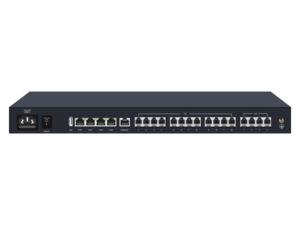
The Power of SIP PBX Server in Modern Communication
In the realm of modern communication systems, the SIP PBX server stands out as a powerful tool that revolutionises the way businesses handle their telephony needs. SIP, which stands for Session Initiation Protocol, is a signalling protocol used for initiating, maintaining, modifying and terminating real-time sessions involving video, voice, messaging and other communications applications and services between two or more endpoints on IP networks.
A SIP PBX server acts as the central hub for managing all incoming and outgoing calls within an organisation. It leverages the SIP protocol to facilitate communication over IP networks, offering a range of benefits over traditional phone systems.
Benefits of Using a SIP PBX Server:
- Cost-Effective: SIP PBX servers utilise internet protocols to transmit voice data, eliminating the need for costly traditional phone lines.
- Scalability: Businesses can easily scale their communication infrastructure up or down based on their requirements without significant hardware changes.
- Flexibility: Users can make and receive calls from any device connected to the internet, providing flexibility for remote work scenarios.
- Advanced Features: SIP PBX servers offer a wide range of features such as voicemail, call forwarding, auto-attendant, call recording and more to enhance communication efficiency.
- Integration: These servers can be integrated with other business applications such as CRM systems for seamless workflow management.
In conclusion, the SIP PBX server is a game-changer in modern communication infrastructure. Its cost-effectiveness, scalability, flexibility and advanced features make it an indispensable tool for businesses looking to streamline their telephony operations and enhance overall productivity.
Top 8 Advantages of a SIP PBX Server for Modern Business Communication
- Cost-effective communication solution
- Scalable to meet varying business needs
- Flexible for remote work environments
- Advanced features like voicemail and call forwarding
- Integration capabilities with other business applications
- Improved call quality over IP networks
- Centralised management of communication processes
- Enhanced productivity and efficiency
Top 5 Drawbacks of SIP PBX Servers: Complex Setup, Reliability, Security, Compatibility, and Maintenance
- Complex Setup
- Reliability Issues
- Security Concerns
- Compatibility Challenges
- Maintenance Requirements
Cost-effective communication solution
The cost-effectiveness of a SIP PBX server as a communication solution cannot be overstated. By utilising internet protocols for voice data transmission, businesses can significantly reduce their telephony expenses compared to traditional phone systems. This financial benefit allows organisations to allocate resources more efficiently while still enjoying reliable and feature-rich communication capabilities. The affordability of SIP PBX servers makes them an attractive option for businesses of all sizes looking to enhance their communication infrastructure without breaking the bank.
Scalable to meet varying business needs
One of the key advantages of a SIP PBX server is its scalability, allowing businesses to easily adjust their communication infrastructure to meet varying needs. Whether a company is experiencing growth and needs to expand its telephony system, or if it needs to downsize due to changing circumstances, a SIP PBX server offers the flexibility to scale up or down without requiring significant hardware changes. This adaptability ensures that businesses can efficiently manage their communication resources in line with their evolving requirements, making the SIP PBX server a valuable asset for organisations of all sizes.
Flexible for remote work environments
One significant advantage of using a SIP PBX server is its flexibility for remote work environments. With the ability to make and receive calls from any device connected to the internet, employees can stay connected and productive regardless of their physical location. This feature enables seamless communication between team members working from different locations, promoting collaboration and efficiency in remote work setups. Additionally, the flexibility offered by a SIP PBX server ensures that businesses can adapt to changing work trends and maintain operational continuity even in dispersed work environments.
Advanced features like voicemail and call forwarding
One of the key advantages of using a SIP PBX server is the array of advanced features it offers, such as voicemail and call forwarding. These features provide businesses with enhanced communication capabilities, allowing them to efficiently manage incoming calls and ensure that no important messages are missed. Voicemail allows callers to leave messages when the recipient is unavailable, ensuring that communication remains uninterrupted. On the other hand, call forwarding enables users to redirect calls to another number or device, ensuring that they can stay connected even when they are on the move. These advanced features not only improve communication efficiency but also contribute to better customer service and overall productivity within an organisation.
Integration capabilities with other business applications
One key advantage of SIP PBX servers is their seamless integration capabilities with other business applications. By integrating with Customer Relationship Management (CRM) systems, email platforms, and other essential tools, SIP PBX servers enhance workflow efficiency and data synchronisation across various communication channels. This feature allows businesses to consolidate their operations, streamline processes, and provide a unified platform for managing customer interactions. The ability to integrate with existing software systems makes SIP PBX servers a versatile solution that adapts to the unique needs of each organisation, ultimately improving productivity and enhancing the overall customer experience.
Improved call quality over IP networks
One of the key advantages of using a SIP PBX server is the significant improvement in call quality over IP networks. By leveraging the Session Initiation Protocol (SIP) for communication, businesses can experience clearer and more reliable voice transmissions compared to traditional phone systems. The SIP PBX server optimises data packets for efficient delivery, resulting in reduced latency and packet loss, ultimately enhancing the overall call quality for users. This improvement in audio clarity and consistency ensures that businesses can communicate effectively with clients, partners, and colleagues without disruptions or distortions, leading to better collaboration and customer satisfaction.
Centralised management of communication processes
One of the key advantages of a SIP PBX server is its ability to provide centralised management of communication processes within an organisation. By acting as a central hub for all incoming and outgoing calls, the SIP PBX server streamlines communication operations and ensures that all interactions are efficiently managed from one unified platform. This centralisation not only enhances productivity but also simplifies the monitoring and tracking of communication activities, ultimately leading to improved efficiency and effectiveness in handling business communications.
Enhanced productivity and efficiency
One of the key advantages of using a SIP PBX server is its ability to enhance productivity and efficiency within an organisation. By streamlining communication processes and providing advanced features such as call forwarding, voicemail, and auto-attendant, SIP PBX servers enable employees to work more effectively and respond to customer inquiries promptly. The flexibility of being able to make and receive calls from any internet-connected device also ensures that team members can stay connected whether they are in the office or working remotely, further boosting productivity levels across the board. Ultimately, the enhanced productivity and efficiency offered by SIP PBX servers translate into improved workflow management and better overall performance for businesses of all sizes.
Complex Setup
One significant drawback of implementing a SIP PBX server is the complexity involved in its setup. Establishing a SIP PBX server can be a challenging task that demands a certain level of technical expertise. Configuring the server, integrating it with existing systems, and ensuring seamless operation may require specialised knowledge and skills. This complexity can pose a barrier for businesses without dedicated IT resources or personnel with the necessary technical know-how, potentially leading to delays in deployment and increased reliance on external support services.
Reliability Issues
One significant drawback of SIP PBX servers is their susceptibility to reliability issues. Network interruptions or power outages have the potential to disrupt the seamless operations of these servers, leading to communication breakdowns within an organisation. Such disruptions can result in missed calls, delayed responses, and overall inefficiencies in the communication process. To mitigate this con, businesses employing SIP PBX servers must implement robust backup systems and contingency plans to ensure continuity of service during unforeseen network or power disturbances.
Security Concerns
Security Concerns: One significant drawback of SIP PBX servers is their susceptibility to cyber threats if adequate security measures are not implemented. Without proper safeguards in place, these servers can become targets for malicious actors seeking to exploit vulnerabilities in the system. Security breaches could lead to unauthorized access, call interception, data theft, and other detrimental consequences. It is crucial for businesses using SIP PBX servers to prioritise security protocols and regularly update their systems to mitigate the risk of potential security breaches.
Compatibility Challenges
One significant drawback of SIP PBX servers is the compatibility challenges they pose. Ensuring seamless integration with existing hardware and software systems can be a complex and time-consuming process. From legacy phone systems to proprietary software, the need to align different components to work harmoniously with the SIP PBX server can present hurdles for businesses seeking to upgrade their communication infrastructure. Overcoming these compatibility challenges requires careful planning, thorough testing, and potentially additional investments in new equipment or customised solutions to achieve a fully functional and optimised communication network.
Maintenance Requirements
Regular maintenance and updates are essential for ensuring the optimal performance of a SIP PBX server, which can be a significant drawback for some businesses. The need for ongoing maintenance can require dedicated resources in terms of time and expertise to keep the system running smoothly. Failure to conduct regular updates and maintenance checks may result in performance issues, security vulnerabilities, and potential downtime, impacting the overall efficiency of the communication system. Therefore, businesses considering implementing a SIP PBX server should be prepared to invest in consistent upkeep to maximise its benefits effectively.
Tags: advanced features, cost-effective, crm systems, flexibility, integration, ip networks, modern communication, scalability, session initiation protocol, sip pbx server, telephony