
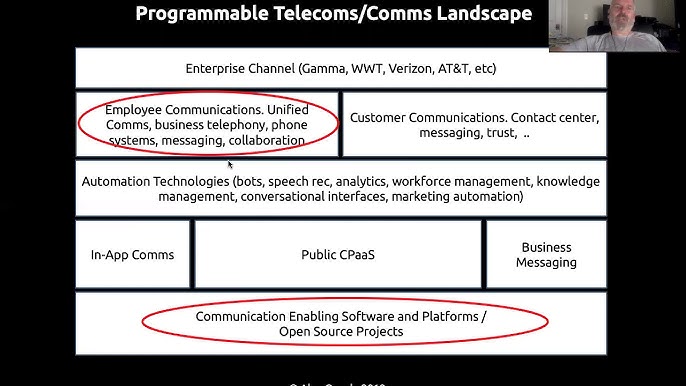
The Power of Open Source Unified Communications
Unified communications (UC) have revolutionised the way businesses communicate and collaborate. By integrating various communication tools such as voice, video, messaging, and data sharing into a single platform, UC enhances productivity and efficiency.
Open source unified communications take this concept to the next level by offering flexibility, customisation, and cost-effectiveness. Unlike proprietary solutions that come with licensing fees and limited control, open source UC solutions provide users with the freedom to modify and tailor the software to meet their specific needs.
One of the key advantages of open source UC is its community-driven development. A global community of developers collaborates to improve the software, fix bugs, and add new features. This collaborative approach ensures that open source UC solutions are constantly evolving and staying ahead of the curve.
Cost savings is another significant benefit of open source UC. With no licensing fees or vendor lock-ins, businesses can deploy open source UC solutions at a fraction of the cost of proprietary alternatives. This affordability makes open source UC accessible to organisations of all sizes, from small startups to large enterprises.
Security is a top concern for any communication system, and open source UC does not disappoint in this regard. The transparency of open source code allows for thorough security audits and quick responses to vulnerabilities. This transparency gives users peace of mind knowing that their communications are protected.
In conclusion, open source unified communications offer a powerful alternative to traditional proprietary solutions. With their flexibility, cost-effectiveness, community support, and robust security features, open source UC solutions empower businesses to build efficient communication networks tailored to their unique requirements.
8 Essential Tips for Optimising Open Source Unified Communications in Your Organisation
- Choose a reliable open source unified communications platform.
- Ensure the platform supports various communication channels like voice, video, messaging, and collaboration tools.
- Customise the platform to meet your organisation’s specific needs and requirements.
- Regularly update and maintain the system to ensure security and performance.
- Provide adequate training to employees on how to use the unified communications platform effectively.
- Integrate the platform with other business applications for seamless workflow and productivity.
- Monitor usage patterns and gather feedback from users to continuously improve the system.
- Stay informed about new developments in open source unified communications technology.
Choose a reliable open source unified communications platform.
When exploring open source unified communications options, it is crucial to select a dependable platform that aligns with your business needs. Opting for a reliable open source UC solution ensures seamless integration, robust performance, and ongoing support. By choosing a trusted platform, you can enhance communication efficiency, streamline collaboration processes, and future-proof your organisation’s communication infrastructure. Conduct thorough research, seek recommendations, and evaluate the track record of potential providers to make an informed decision that will benefit your business in the long run.
Ensure the platform supports various communication channels like voice, video, messaging, and collaboration tools.
When utilising open source unified communications, it is crucial to ensure that the platform supports a diverse range of communication channels, including voice, video, messaging, and collaboration tools. By incorporating these different channels into the system, businesses can facilitate seamless and efficient communication among team members and clients. This multi-channel approach not only enhances productivity but also fosters better collaboration and engagement within the organisation.
Customise the platform to meet your organisation’s specific needs and requirements.
Customising the open source unified communications platform to align with your organisation’s specific needs and requirements is a strategic approach that can significantly enhance efficiency and productivity. By tailoring the platform to accommodate unique workflows, communication preferences, and business processes, you can create a bespoke solution that maximises the benefits of unified communications for your team. This customisation empowers your organisation to streamline communication channels, improve collaboration, and ultimately achieve greater success in achieving its goals.
Regularly update and maintain the system to ensure security and performance.
To maximise the benefits of open source unified communications, it is crucial to regularly update and maintain the system. By staying up-to-date with software upgrades and security patches, businesses can enhance the system’s security measures and ensure optimal performance. Regular maintenance not only helps in safeguarding sensitive data but also contributes to a seamless communication experience for users. Prioritising system updates and maintenance is key to leveraging the full potential of open source unified communications while minimising security risks and downtime.
Provide adequate training to employees on how to use the unified communications platform effectively.
To maximise the benefits of open source unified communications, it is crucial to provide comprehensive training to employees on how to utilise the platform effectively. Equipping staff with the necessary skills and knowledge ensures smooth adoption of the system, enhances productivity, and promotes efficient collaboration across the organisation. By investing in training programmes tailored to the specific features and functionalities of the UC platform, businesses can empower their employees to leverage its full potential and drive success in their communication strategies.
Integrate the platform with other business applications for seamless workflow and productivity.
To maximise the benefits of open source unified communications, it is advisable to integrate the platform with other business applications. By seamlessly connecting UC tools with existing software systems such as customer relationship management (CRM) or project management platforms, businesses can streamline workflow processes and boost productivity. This integration enables employees to access all necessary information and communication tools from a single interface, facilitating collaboration and efficiency across the organisation.
Monitor usage patterns and gather feedback from users to continuously improve the system.
To maximise the benefits of open source unified communications, it is essential to monitor usage patterns and gather feedback from users consistently. By analysing how the system is being utilised and listening to user feedback, organisations can identify areas for improvement and make informed decisions to enhance the system’s functionality and user experience. This proactive approach not only helps in addressing any issues promptly but also ensures that the open source UC system evolves in line with users’ needs, leading to continuous improvement and greater satisfaction among users.
Stay informed about new developments in open source unified communications technology.
To maximise the benefits of open source unified communications, it is crucial to stay informed about new developments in the technology. By keeping abreast of the latest trends, updates, and innovations in the field of open source UC, businesses can ensure that they are leveraging the most advanced tools and features available. This proactive approach not only helps organisations stay competitive but also enables them to adapt their communication strategies to meet evolving needs and challenges effectively.
Tags: collaboration tools, communication channels, customise platform, messaging, open source unified communications, organisation's specific needs, reliable platform, video, voice