
The Power of Open Source UCaaS
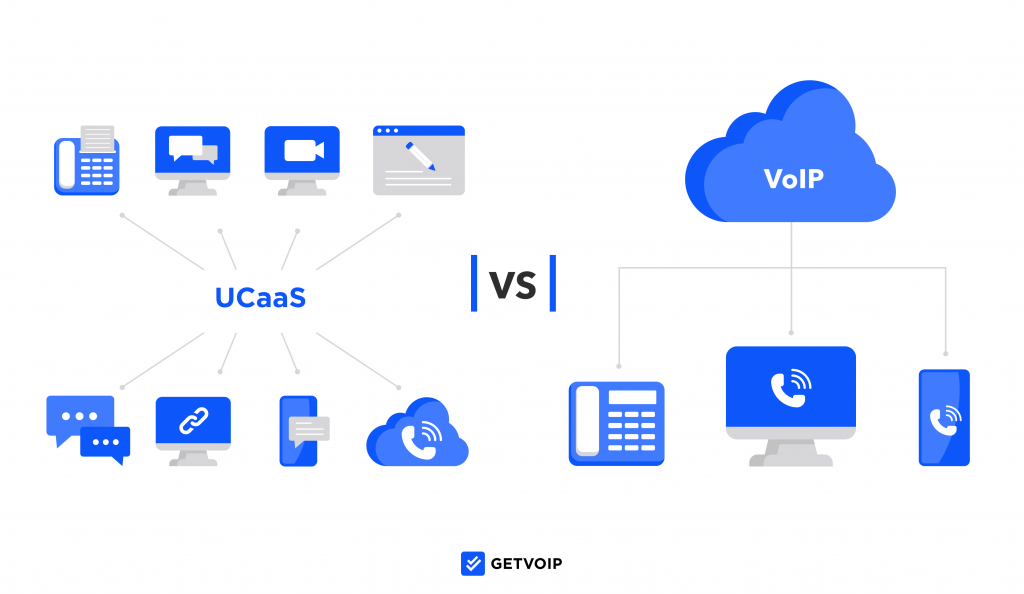
In today’s digital age, Unified Communications as a Service (UCaaS) has become an essential tool for businesses looking to streamline their communication processes. Traditionally, UCaaS solutions have been proprietary, requiring businesses to invest in specific software and hardware to access these services. However, the rise of open source UCaaS is changing the game.
Open source UCaaS offers businesses flexibility and freedom that proprietary solutions cannot match. By leveraging open source technologies, businesses can customise their communication systems to suit their unique needs and scale them as their operations grow.
One of the key advantages of open source UCaaS is cost-effectiveness. With no licensing fees or vendor lock-ins, businesses can significantly reduce their communication expenses while still enjoying robust features and functionalities. This affordability makes open source UCaaS an attractive option for small and medium-sized enterprises looking to compete with larger corporations.
Furthermore, open source UCaaS promotes innovation and collaboration within the business community. Developers can contribute to the improvement of open source UCaaS platforms, enhancing their capabilities and ensuring they remain up-to-date with the latest technological advancements.
Security is another critical aspect where open source UCaaS shines. With transparency at its core, open source software allows businesses to inspect the code for vulnerabilities and make necessary modifications to enhance security measures. This level of control over security is invaluable in today’s cyber threat landscape.
As more businesses recognise the benefits of open source UCaaS, we can expect to see a shift towards this model in the coming years. The power of open source lies in its ability to empower businesses with greater control, flexibility, and cost savings in their communication strategies.
If you are considering upgrading your communication systems, exploring open source UCaaS could be a game-changer for your business.
Exploring the Benefits of Open Source UCaaS: A Flexible, Secure, and Cost-Effective Solution for Businesses
- Cost-effective solution for businesses of all sizes.
- Flexibility to customise communication systems according to specific needs.
- Promotes innovation and collaboration within the business community.
- Enhanced security through code transparency and control.
- No vendor lock-ins, providing freedom of choice for businesses.
- Scalable solutions that can grow with the business operations.
- Access to a global community of developers contributing to platform improvements.
Challenges of Open Source UCaaS: Navigating Support, Compatibility, and Security Concerns
- Limited vendor support compared to proprietary solutions
- Potential compatibility issues with third-party applications
- Higher initial setup and configuration complexity for non-technical users
- Security vulnerabilities can arise if not properly maintained and updated
- Lack of dedicated customer service for troubleshooting and support
- Dependency on community-driven updates and patches, which may not always be timely
Cost-effective solution for businesses of all sizes.
Open source UCaaS stands out as a cost-effective solution for businesses of all sizes. By eliminating licensing fees and vendor lock-ins, open source UCaaS enables businesses to access robust communication tools without breaking the bank. This affordability makes it an attractive option for small startups looking to establish a strong communication infrastructure and large enterprises seeking to optimise their communication processes without incurring exorbitant costs. The scalability of open source UCaaS further enhances its cost-effectiveness, allowing businesses to expand their communication capabilities as they grow, all while maintaining control over their expenses.
Flexibility to customise communication systems according to specific needs.
One significant advantage of open source UCaaS is the unparalleled flexibility it offers in customising communication systems to meet specific business needs. Unlike proprietary solutions that come with predefined features and limitations, open source UCaaS empowers businesses to tailor their communication platforms precisely to their requirements. This level of customisation ensures that organisations can create a communication infrastructure that aligns perfectly with their unique workflows, processes, and objectives, ultimately enhancing efficiency and productivity across the board.
Promotes innovation and collaboration within the business community.
One significant advantage of open source UCaaS is its ability to foster innovation and collaboration within the business community. By allowing developers to contribute to the improvement of UCaaS platforms, businesses can benefit from a continuous cycle of innovation and enhancement. This collaborative approach not only ensures that UCaaS solutions remain cutting-edge but also encourages knowledge sharing and creativity among industry professionals. As a result, businesses can stay ahead of the curve and adapt their communication systems to meet evolving needs and technological advancements effectively.
Enhanced security through code transparency and control.
One of the key advantages of open source UCaaS is the enhanced security it offers through code transparency and control. By allowing businesses to inspect and modify the underlying code of the communication platform, open source UCaaS provides a level of visibility and customisation that proprietary solutions cannot match. This transparency enables businesses to identify and address potential vulnerabilities, ensuring that their communication systems are fortified against cyber threats. With greater control over security measures, businesses can proactively protect their data and communications, making open source UCaaS a robust choice for companies prioritising data security and compliance.
No vendor lock-ins, providing freedom of choice for businesses.
One significant advantage of open source UCaaS is the absence of vendor lock-ins, offering businesses the freedom to choose and customise their communication solutions without being tied to a specific provider. This flexibility empowers businesses to select the tools and services that best suit their needs, ensuring they can adapt and scale their communication systems according to their evolving requirements. By eliminating vendor lock-ins, open source UCaaS enables businesses to maintain control over their communication strategies and avoid being limited by proprietary restrictions.
Scalable solutions that can grow with the business operations.
One significant advantage of open source UCaaS is its scalability, allowing businesses to expand and adapt their communication systems as their operations grow. Unlike rigid proprietary solutions, open source UCaaS offers the flexibility to easily scale up or down based on the evolving needs of the business. This means that companies can seamlessly integrate new features, accommodate increased user numbers, and extend their communication capabilities without being limited by pre-set constraints. The scalability of open source UCaaS ensures that businesses can future-proof their communication infrastructure and continue to meet the demands of a growing operation.
Access to a global community of developers contributing to platform improvements.
One significant advantage of open source UCaaS is the access it provides to a global community of developers who actively contribute to platform improvements. This collaborative approach ensures that the UCaaS solutions remain cutting-edge, reliable, and adaptable to evolving business needs. By tapping into the collective expertise and creativity of developers worldwide, businesses leveraging open source UCaaS can benefit from continuous innovation and enhancements that enhance the overall performance and functionality of their communication systems.
Limited vendor support compared to proprietary solutions
One notable drawback of open source UCaaS is the limited vendor support when compared to proprietary solutions. While proprietary vendors typically offer dedicated support services, including troubleshooting, maintenance, and updates, businesses relying on open source UCaaS may find themselves lacking in immediate assistance and guidance. This can pose challenges for organisations that require quick resolution of technical issues or prefer the assurance of a dedicated support team to rely on during critical moments. The absence of comprehensive vendor support in open source UCaaS may necessitate businesses to invest more time and resources in managing and troubleshooting their communication systems independently.
Potential compatibility issues with third-party applications
One potential drawback of open source UCaaS is the risk of encountering compatibility issues with third-party applications. Since open source solutions are developed by a diverse community of contributors, there may be challenges in ensuring seamless integration with all external software and services. This can lead to delays in implementation, additional troubleshooting efforts, and possible limitations in leveraging the full capabilities of certain third-party applications within the UCaaS ecosystem. Businesses considering open source UCaaS should carefully assess the compatibility requirements of their existing tools to mitigate these potential challenges.
Higher initial setup and configuration complexity for non-technical users
One significant drawback of open source UCaaS is the higher initial setup and configuration complexity, especially for non-technical users. Unlike proprietary solutions that often come with user-friendly interfaces and guided setup processes, open source UCaaS may require a deeper understanding of technical concepts and configurations. This can pose a challenge for businesses without dedicated IT teams or technical expertise, potentially leading to delays in implementation and increased reliance on external support for system setup and maintenance.
Security vulnerabilities can arise if not properly maintained and updated
Security vulnerabilities can pose a significant risk when utilising open source UCaaS solutions if proper maintenance and updates are neglected. Failure to regularly update the software can leave systems exposed to potential threats and exploits. It is crucial for businesses relying on open source UCaaS to stay vigilant in maintaining the security of their communication systems by promptly applying patches and security updates to mitigate the risk of cyber attacks.
Lack of dedicated customer service for troubleshooting and support
One significant drawback of open source UCaaS is the potential lack of dedicated customer service for troubleshooting and support. Unlike proprietary solutions that often come with comprehensive customer support packages, users of open source UCaaS may find themselves relying on community forums or online resources for assistance. This can lead to delays in resolving technical issues and challenges, as well as a lack of personalised guidance tailored to the specific needs of the business. Businesses considering open source UCaaS should weigh this con against the benefits of flexibility and cost-effectiveness offered by such solutions.
Dependency on community-driven updates and patches, which may not always be timely
One significant drawback of open source UCaaS is the dependency on community-driven updates and patches, which may not always be timely. Unlike proprietary solutions that come with dedicated support teams and scheduled updates, open source UCaaS relies on the community to identify and address issues. This can lead to delays in receiving critical updates or patches, leaving businesses vulnerable to security threats or missing out on essential features until the community resolves them. The lack of guaranteed timelines for updates can pose challenges for businesses that require immediate solutions or consistent reliability in their communication systems.
Tags: collaboration, cost-effectiveness, customisation, flexibility, innovation, open source ucaas, scalability, security